Post by : Saif
Al-Najjar
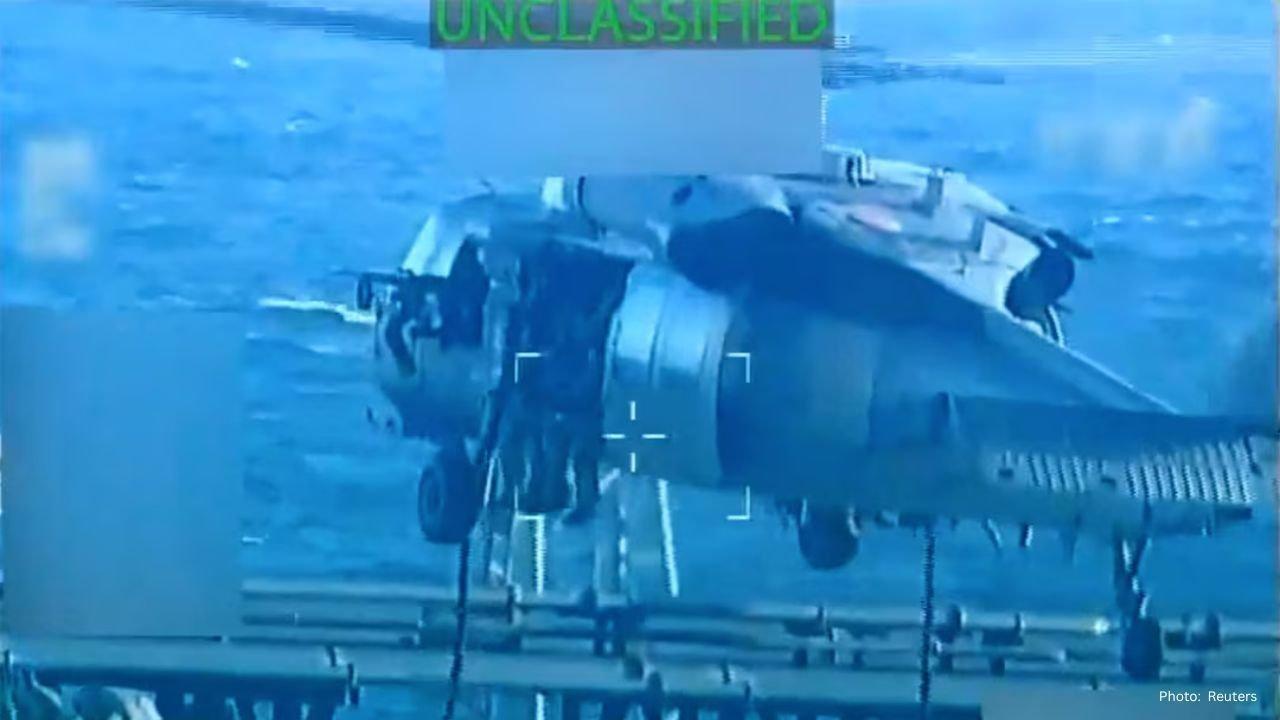
The United States is gearing up to seize additional oil tankers originating from Venezuela, only days after U.S. forces took control of a vessel near the Venezuelan coast. This bold step is a significant escalation in the U.S. strategy to apply pressure on President Nicolas Maduro and tighten the grip on his government's oil revenue.
This initiative has sent ripples across global shipping lanes and energy markets. Many shipping companies are putting their operations to transport Venezuelan crude on hold, anxious that their vessels might become the next targets.
A Shift in U.S. Tactics
Sources suggest that the U.S. government is compiling a list of additional vessels related to sanctioned trade. The ship captured recently, called Skipper, marks the first Venezuelan oil tanker seized by the United States. This operation coincides with an increase in U.S. military presence in the southern Caribbean, enhancing surveillance around both Venezuela and nearby Guyana.
President Donald Trump has long aimed for Maduro's ousting, accusing him of corruption and human rights violations. The seizure of oil shipments is viewed as a strategy to tighten financial constraints on his regime, which relies heavily on crude exports.
Consequences for Oil Trade
The seizure has already hindered Venezuela's crucial export pathway to Asia, causing a halt in shipments amounting to nearly 6 million barrels of Merey crude, Venezuela's primary export grade. Tankers recently loaded are now stranded off the coast of Venezuela, awaiting further developments.
A trading executive commented on the urgency of the situation: “The vessels were set to depart for Asia. Now, everything is on pause.”
Much of this commerce involves the so-called “shadow fleet”—a collection of older tankers with ambiguous ownership transporting oil from sanctioned nations like Venezuela, Iran, and Russia to buyers, primarily in China. These vessels may haul oil from multiple sanctioned countries across different voyages, complicating tracking and regulatory enforcement.
Future Seizures Anticipated
The U.S. Treasury has recently imposed sanctions on an additional six supertankers associated with Venezuelan oil. Furthermore, four Venezuelans have also faced sanctions, including three relatives of First Lady Cilia Flores. It remains uncertain if these vessels are included in the U.S. targets.
Officials reveal that both the Justice Department and Homeland Security have meticulously planned these operations for months. U.S. forces are currently observing vessels in Venezuelan ports, prepared to act as they enter international waters. The seized Skipper is set to be transported to a U.S. port for formal legal proceedings and cargo retention.
The timing of upcoming seizures will depend on port conditions and safety considerations. Many shadow fleet vessels are older and poorly maintained, creating challenges for major ports regarding their acceptance.
Venezuela's Response: Claims of 'Piracy'
The Venezuelan administration has expressed outrage, labeling the seizure as “international piracy.” However, legal experts clarify that this characterization does not hold; piracy involves criminal acts by private individuals, not state-sanctioned operations conducted legally. A maritime law expert indicated that the U.S. action falls outside the definition of piracy under international norms, despite Venezuela's politically charged rhetoric.
Maduro contends that the U.S. military buildup near Venezuela signifies intentions for an overthrow, aiming to seize the country's vast oil reserves. Washington, in contrast, maintains that its actions focus on combating illegal oil trading and what it terms “black market financing” linked to rogue states.
A Region Poised for Unrest
The atmosphere remains charged as U.S. forces have executed over 20 strikes targeting suspected drug-trafficking vessels in recent months, resulting in over 80 casualties. Some experts argue these actions may breach international law; however, the U.S. defends them as essential for national defense.
With further tanker seizures on the horizon, both oil markets and diplomatic relations find themselves in a state of flux. A significant reduction in Venezuelan exports may plunge the nation’s already fragile economy into deeper crisis, while broader disruptions in global oil distribution loom.
This escalating maritime confrontation illustrates how Venezuela's internal political struggles have spilled over into international waters, with the world's oil trade potentially facing newfound challenges.


 English