Post by : Shweta
In a significant diplomatic shift, the United States has curtailed its intelligence sharing arrangements with South Korea following contentious remarks from a senior South Korean official regarding a potential North Korean nuclear site. This decision has stirred concerns about the resilience of their long-standing alliance and security cooperation in the region.
Reports from Yonhap News Agency indicate that restrictions were implemented after South Korea's Unification Minister, Chung Dong-young, publicly referred to a possible third nuclear facility in North Korea's Kusong area. US officials expressed disapproval, asserting that such statements may have inadvertently compromised sensitive intelligence data.
The US and South Korea's military and intelligence collaboration has been robust for decades, with approximately 28,500 US personnel stationed in South Korea. This latest move is deemed unusual and signifies a rare strain in their partnership. While the US has not officially acknowledged these restrictions, sources suggest that certain satellite intelligence related to North Korea is currently being curtailed.
Minister Chung has defended his actions, claiming his comments relied on publicly accessible information, not classified materials. He pointed out that similar discussions regarding the nuclear sites in Kusong were already present in earlier academic work and media reporting. Furthermore, he noted having referred to this same location during his confirmation process without encountering any objections.
Support for Chung has come from South Korean President Lee Jae Myung, who labeled the allegations of an intelligence breach as "incorrect" and "unreasonable." He affirmed that the information concerning such facilities had been in the public domain for years.
The situation has elicited a strong political backlash in South Korea, with opposition parties like the People Power Party condemning Chung’s statements and demanding his resignation. They view the incident as a serious lapse in national security that could jeopardize ties with the US.
According to The Hankyoreh, the US's decision may be influenced by broader issues, including disagreements over the management of the Demilitarized Zone (DMZ). Some US officials suspect that this restriction reflects growing frustration over recent developments in South Korea's defense and security strategies.
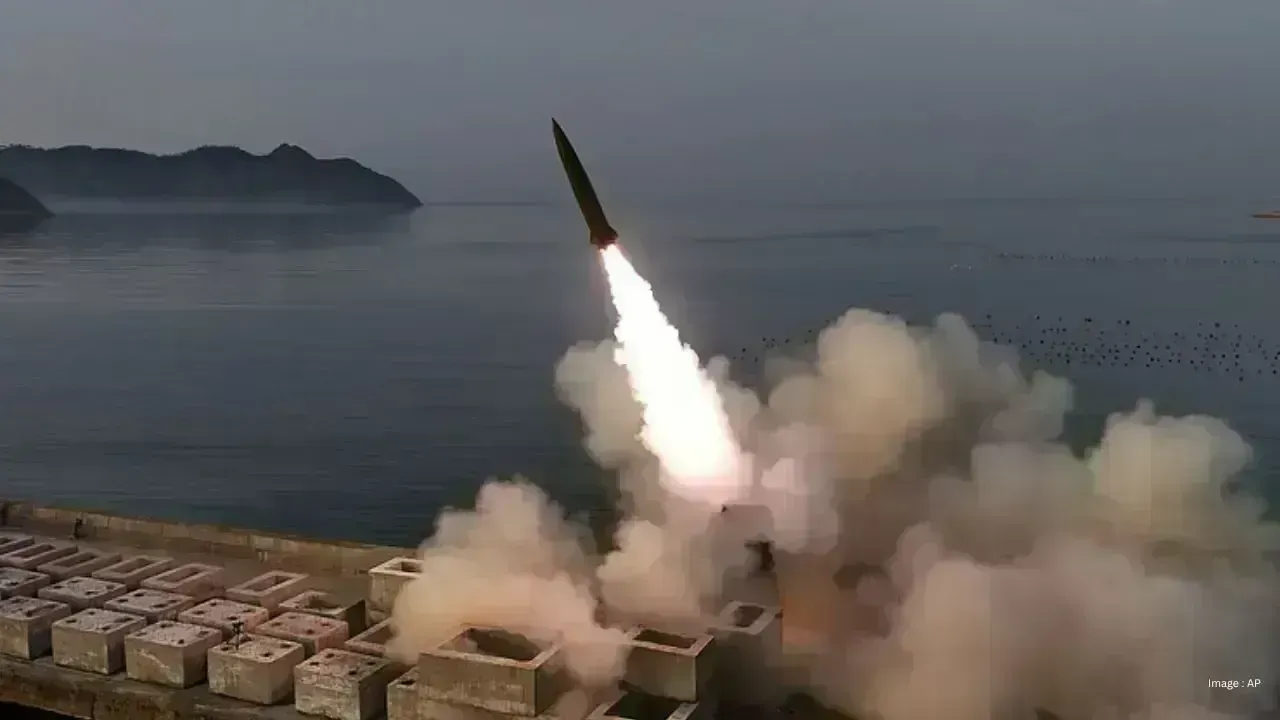
As apprehensions regarding North Korea's nuclear capabilities rise, Rafael Grossi, head of the International Atomic Energy Agency, has issued warnings about North Korea's expanding production of nuclear weapons, suggesting it may possess a significant number of warheads. Known sites, such as Yongbyon and Kangson, underscore the urgency of addressing this issue.
Despite the rising tensions, Minister Chung has voiced optimism for a resolution through dialogue, acknowledging that previous interruptions in intelligence sharing have occurred and highlighting the importance of collaboration between the nations for regional peace.


 English