Post by : Saif
Al-Najjar
The US military's recent strikes on vessels suspected of being affiliated with drug cartels have ignited significant global debate in 2026. These operations, intended to combat drug trafficking, have begun to raise serious legal and human rights issues.
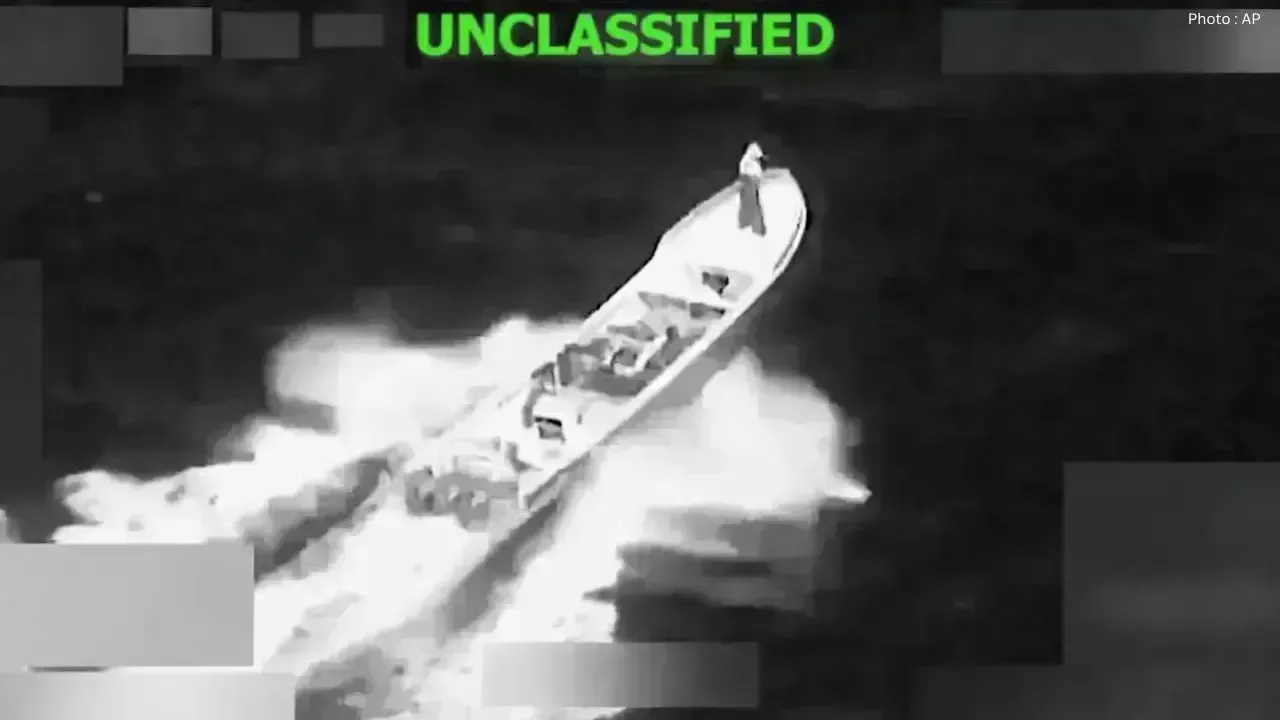
Recent reports indicate that US forces have conducted strikes on boats presumed linked to drug trafficking in international waters. These actions form part of a broader initiative aimed at curbing drug distribution and dismantling cartel networks.
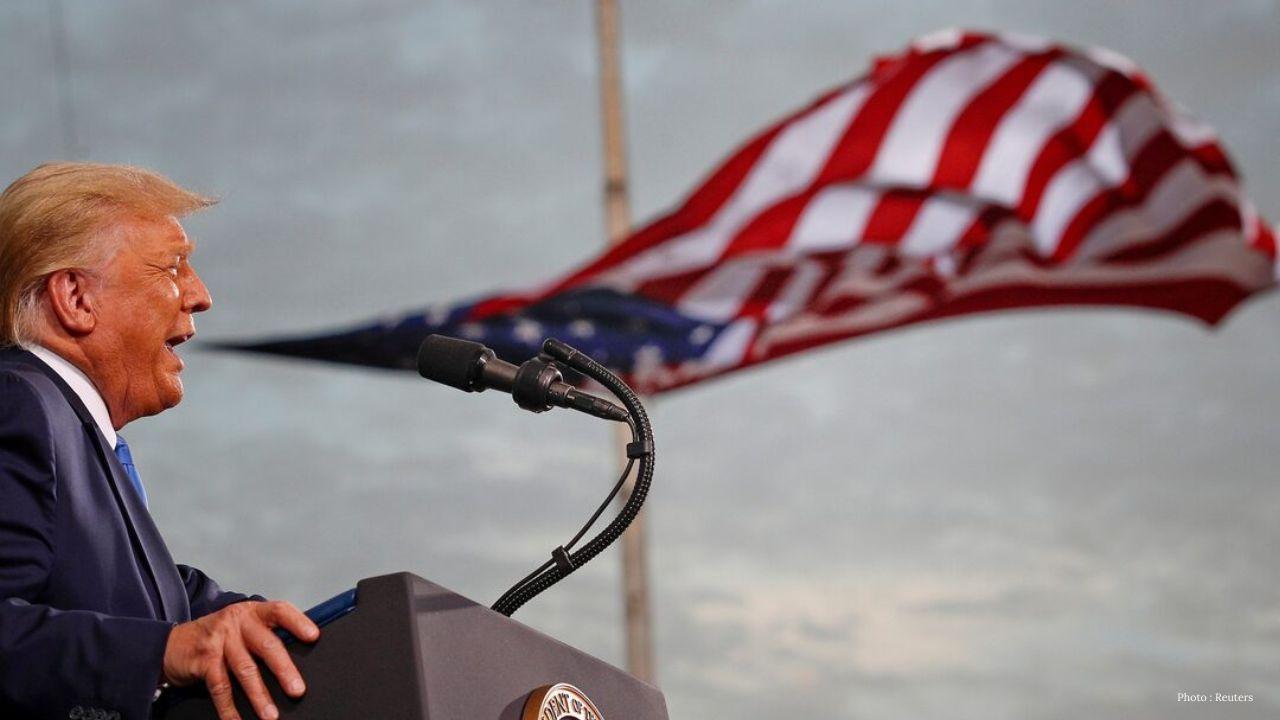
The US government has flagged these organizations as substantial security risks. Drug cartels engage in violence, illicit trade, and organized crime, prompting authorities to act directly to hinder their operations.
Nonetheless, there are growing concerns regarding the absence of transparent evidence surrounding these strikes. In many instances, it's unclear whether the targeted boats were actually transporting illegal drugs. This ambiguity has drawn sharp criticism from human rights advocates and legal professionals.
Central to this debate is the question of international law. Striking vessels in international waters without solid evidence creates issues concerning sovereignty and legal constraints. Critics contend that such actions could breach international regulations and create a dangerous precedent.
Human rights advocates have raised alarm over reports suggesting that individuals aboard these vessels are often killed without prior warning or due process. This situation raises fears about potential civilian casualties and the absence of accountability in the military's operations.
Additionally, there exists the risk of misidentification in fast-paced maritime conditions. Incorrect targeting could lead to innocent casualties, escalating tensions and eroding trust between nations.
Proponents of this military strategy assert that decisive action is critical in the fight against drug-trafficking cartels, which perpetuate significant harm through violence and drug distribution. From their perspective, military intervention serves as an essential method for addressing this escalating crisis.
However, experts caution that military force alone cannot resolve the complexities of drug trafficking. The roots of the issue are entwined with poverty, demand, and global networks, necessitating long-term strategies that enhance law enforcement, international cooperation, and drug use reduction initiatives.
This evolving situation indicates a strategic transition, with drug cartels treated increasingly as direct security threats rather than merely criminal groups. While this has paved the way for military action, it has also sparked heightened discourse regarding the limits of such measures.
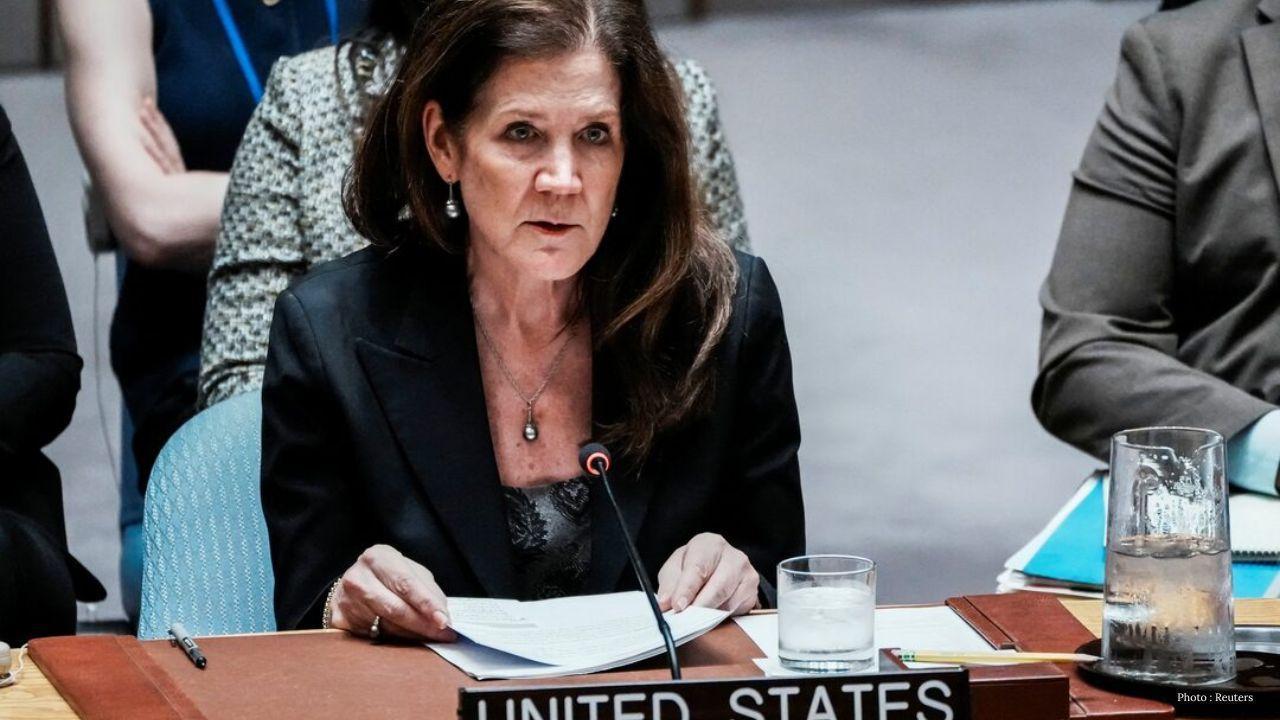
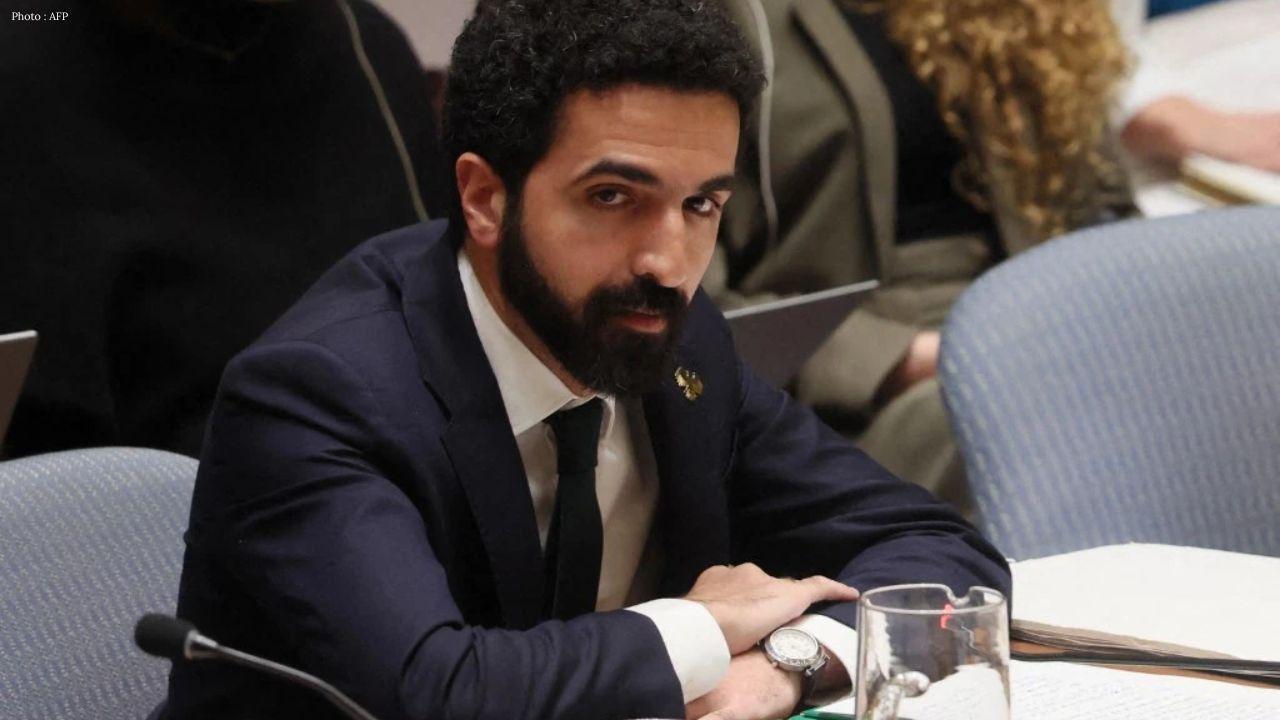
As global scrutiny of US military engagements intensifies, understanding the ramifications of these approaches becomes crucial. The conversation extends beyond security concerns to encompass issues of justice and human rights.
Looking ahead, the next few months will be critical in determining the future course of this policy. Ongoing discussions among governments, legal experts, and international bodies will be needed to evaluate the effectiveness and morality of these strategies.
The battle against drug cartels has evidently entered a new and pivotal stage. As attempts to diminish crime continue, the methods employed are raising complex questions that demand thoughtful consideration.


 English