Post by : Saif
Al-Najjar
The US Supreme Court has temporarily blocked former President Donald Trump from deploying National Guard troops in Chicago. This decision represents a significant legal obstacle for Trump and poses critical questions about the extent of presidential power in deploying military forces domestically.
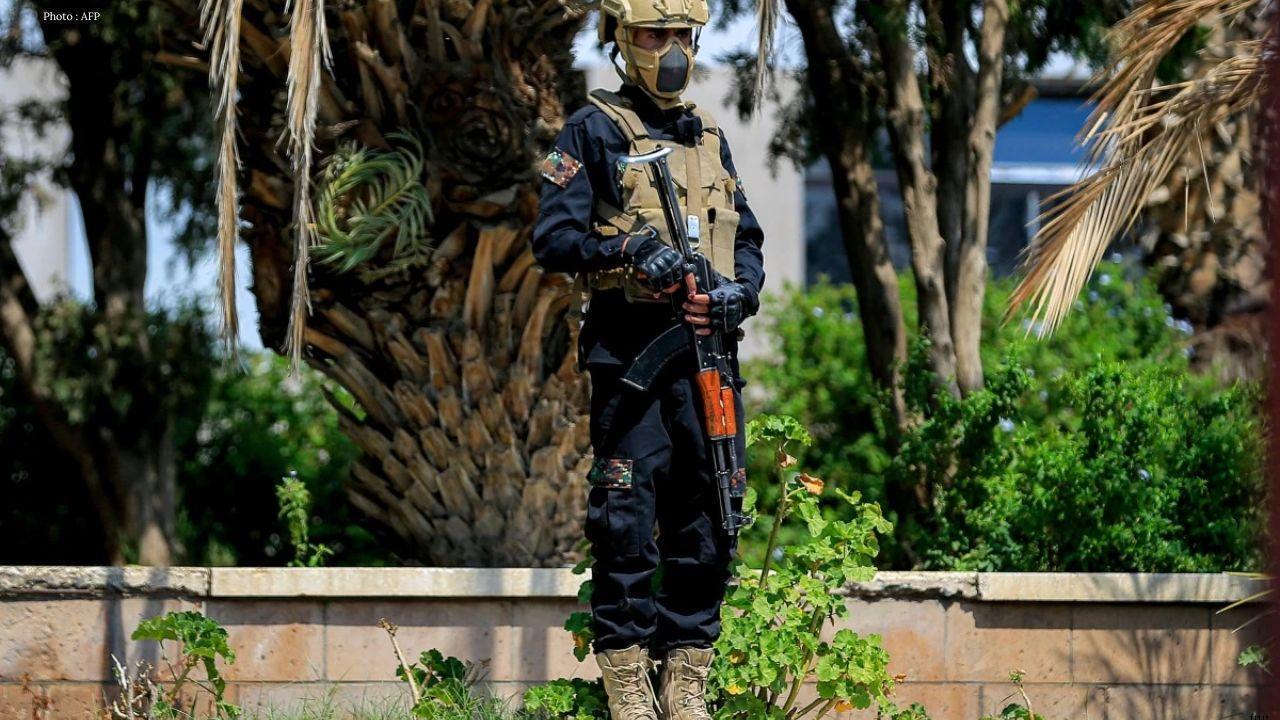
The controversy began when Trump initiated plans to send hundreds of National Guard troops to Chicago, citing the need to quell violent protests related to his stringent immigration policies. However, state leaders and Chicago officials firmly opposed this move, asserting that the protests were largely peaceful and that local police could manage the situation effectively.
An Illinois federal judge initially halted the deployment, stating there was insufficient evidence of rebellion, invasion, or significant violence to warrant military engagement. When the Trump administration appealed to the Supreme Court to lift this injunction, the court chose to uphold the lower court’s ruling as the case progresses.
The Supreme Court's unsigned order indicated that the administration failed to adequately clarify the source of the president's authority in this instance. The justices pointed out that a president is permitted to take control of state National Guard units only in exceptional circumstances, which they concluded were not present in Illinois.
While three conservative justices dissented, the majority sided against the administration, a notable stance given the Supreme Court’s conservative leaning and its prior support of Trump’s executive actions.
Illinois Governor JB Pritzker praised the ruling, deeming it a vital stride toward curbing what he termed an ongoing misuse of power. He cautioned that deploying troops in cities governed by opposition leaders could undermine democracy and suppress peaceful protests.
The Trump administration justified the troop deployment by claiming it was necessary for safeguarding federal property and personnel, particularly at an immigration detention facility near Chicago, where federal workers reportedly faced ongoing threats. Nevertheless, judges highlighted that local authorities had characterized the protests as controlled and limited.
Additionally, the courts scrutinized Trump’s reliance on an antiquated law permitting troop deployment when a president is unable to enforce laws through “regular forces.” The judiciary noted that Trump did not exhaust other options beforehand, and that the statute did not convincingly support his actions.
This ruling has implications beyond Chicago, establishing boundaries on military utilization within the US. Many observers contend that military forces should be reserved for genuine emergencies rather than political disputes.
Ultimately, the Supreme Court’s decision conveys a straightforward message: there are limits to presidential authority, and peaceful assembly cannot be met with military intervention. It also illustrates the judiciary's role in safeguarding democratic rights during politically fraught moments.


 English