Post by : Saif
Al-Najjar
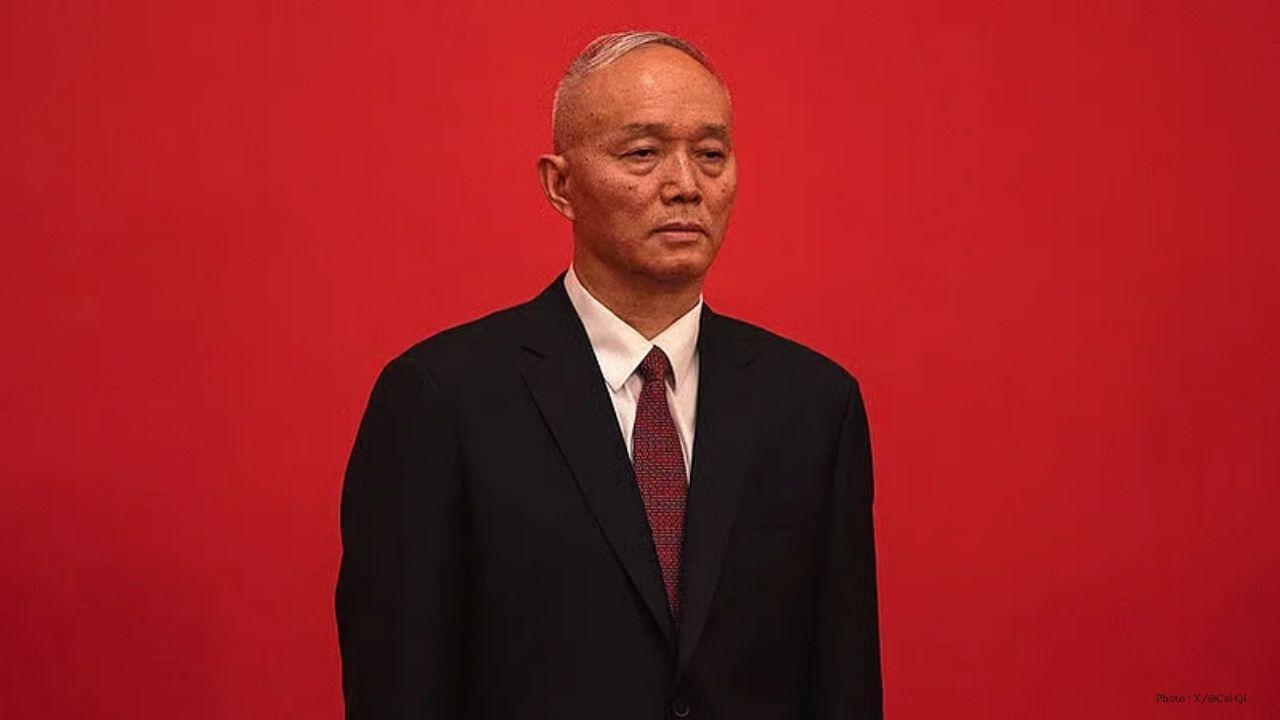
The ongoing crisis in Yemen has escalated after the Saudi-led coalition revealed that Aidarous al-Zubaidi, the prominent leader of the southern separatists, arrived in Abu Dhabi under uncertain circumstances. His unexpected trip and withdrawal from scheduled discussions in Riyadh have sparked significant concerns regarding the fate of peace initiatives and the widening rifts among Yemen’s regional supporters.
The coalition reported that al-Zubaidi, who heads the Southern Transitional Council (STC), made a journey by boat to Somaliland, followed by a flight to Mogadishu, Somalia. Subsequently, a plane is said to have proceeded to a military airbase in Abu Dhabi, supervised by United Arab Emirates officials, although it remains unclear if al-Zubaidi disembarked upon arrival. These revelations have contributed to the surrounding ambiguity and skepticism.
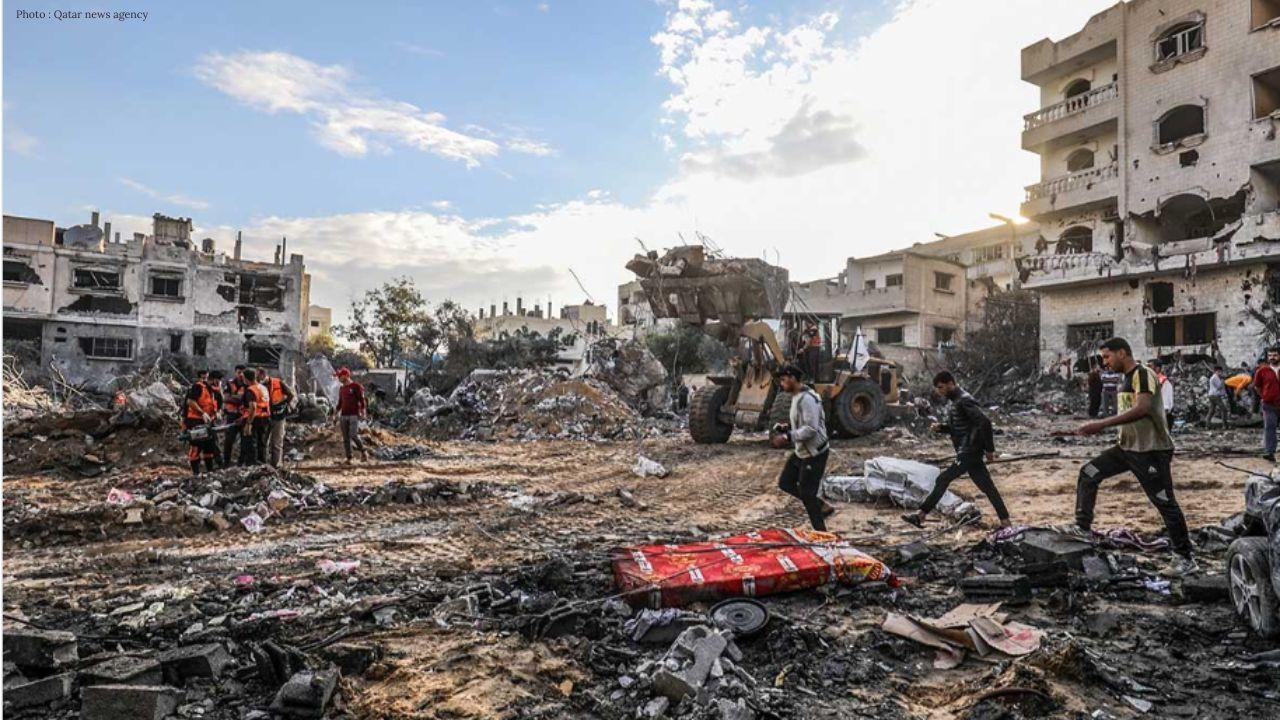
This incident unfolds during a particularly precarious moment for Yemen, which has endured more than ten years of war resulting in severe violence, famine, and political instability. The UAE and Saudi Arabia have been essential players in a coalition that intervened after the Iran-supported Houthi faction seized control of the capital, Sanaa, in 2014 with the intent to support Yemen’s internationally sanctioned government and counter the Houthis.
Recent developments, however, have exposed cracks within this coalition. The turmoil in southern Yemen has amplified tensions between the UAE and Saudi Arabia, two of the most influential Gulf nations in this conflict. While Saudi Arabia maintains its support for the central government, the UAE has long been aligned with the STC, which strives for independence or increased autonomy for southern Yemen.
Formed in 2017 with significant backing from the UAE, the STC evolved into an influential entity in the south, ultimately joining forces with the government coalition. Nonetheless, conflicts persisted. Last month, STC forces unexpectedly seized large tracts in southern Yemen, altering the power dynamics and triggering direct clashes between Saudi Arabia and the UAE.
The absence of al-Zubaidi from the Riyadh discussions intensified the precarious state of affairs. These talks were organized to mitigate escalating tensions and preempt additional violence. His nonattendance only added uncertainty, as the coalition declared his location unknown. Shortly afterward, the STC claimed he was in Aden, overseeing military activities—an assertion that did little to alleviate public anxiety.
Furthermore, the coalition noted that the aircraft departing from Mogadishu disabled its identification system while crossing the Gulf of Oman, only restoring it shortly before its arrival in Abu Dhabi. Such actions often signal military or sensitive operations, fueling further speculation and distrust. The coalition indicated that the aircraft bore similarities to those used in tumultuous regions like Libya, Ethiopia, and Somalia.
Thus far, the UAE has not responded to these allegations, nor has the STC provided any additional explanations. This lack of communication has led to the proliferation of rumors and suspicions, complicating diplomatic efforts.
The overarching concern for Yemen remains the path ahead. Ongoing disagreements between Saudi Arabia and the UAE threaten to undermine stabilization efforts. A divided regional response could prolong Yemen’s protracted strife, with everyday Yemenis, already besieged by loss, hunger, and displacement, bearing the brunt of the consequences.
This incident underscores the complex reality of the Yemen conflict: it is not merely a civil war but a battleground influenced by broader regional rivalries and interests. Until these external actors can find common ground, prospects for peace will remain elusive. Al-Zubaidi’s enigmatic journey to Abu Dhabi might appear as a standalone event but unveils deeper fissures that could widen unless urgent dialogues and cooperative efforts are undertaken.


 English