Post by : Mariam
Al-Faris
Photo: WAM
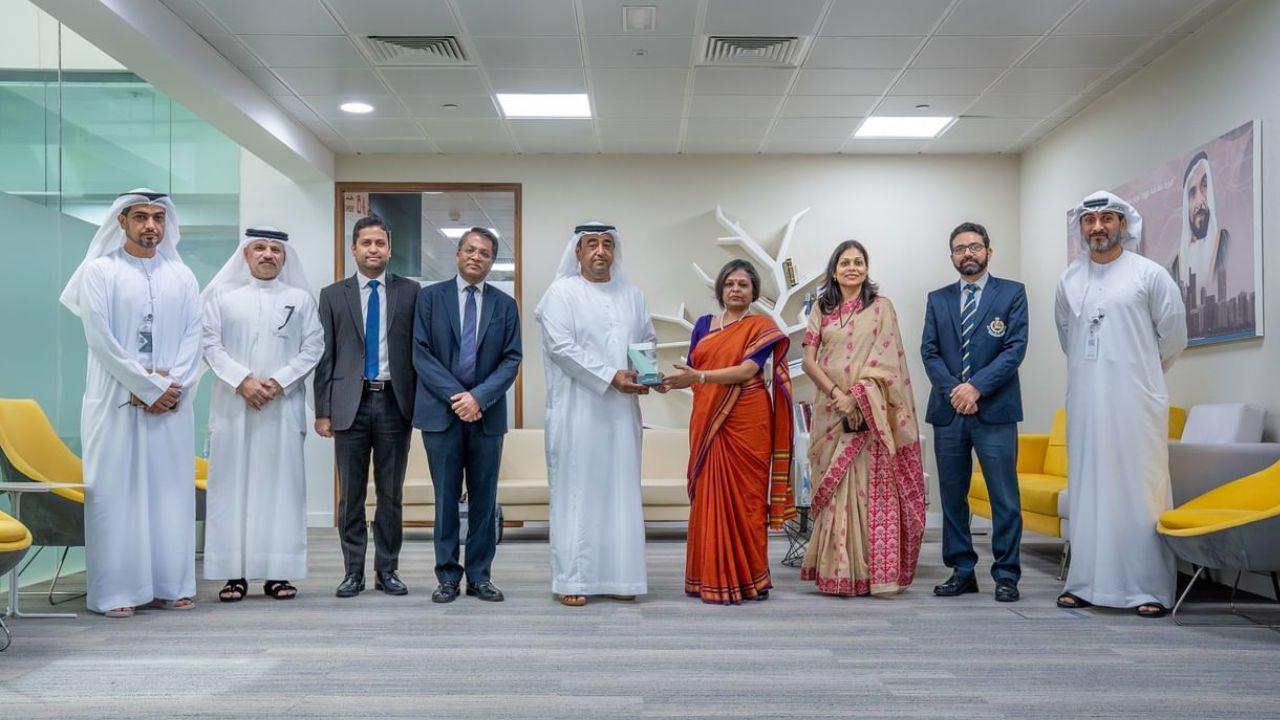
The General Administration of Abu Dhabi Customs organized an important workshop in collaboration with an official delegation from India. The delegation was led by Arti Agarwal Srinivas, who is the Director-General of Systems and Data Management at the Central Board of Indirect Taxes and Customs (CBIC), part of India’s Ministry of Finance. The goal of this workshop was to improve cooperation between India and the UAE to boost trade and enhance digital systems for managing customs.
During the workshop, there were discussions about how both countries can work together to improve the flow of goods across borders and make their customs processes more efficient. The delegation also included representatives from the Embassy of India in Abu Dhabi.
The Purpose of the Workshop
The main purpose of the workshop was to discuss how India and the UAE can work together to make trade between the two countries easier and faster. They wanted to improve the supply chain efficiency and create a digital trade corridor between the two nations.
Both sides were focused on making it easier for goods to cross borders, which is important for businesses in both countries. The workshop aimed to help both countries adopt digital systems that can make customs processes faster and more efficient, saving both time and money for traders.
Meeting with Key Officials
During the visit, the Indian delegation met with Rashed Lahej Al Mansoori, the Director-General of Abu Dhabi Customs. They talked about ways to improve customs cooperation between the two countries. The main discussion point was how both sides could speed up the digital transformation in customs operations, which would make it easier for goods to move across borders.
Both sides agreed that using digital systems would help reduce the time it takes for goods to be processed by customs. This would make trade more efficient and allow goods to flow smoothly from one country to the other.
Abu Dhabi’s Advanced Digital Customs System
The workshop also focused on the advanced digital systems used by Abu Dhabi Customs. These digital systems help manage the customs process in the UAE and make it much faster. Abu Dhabi Customs uses a smart infrastructure that operates 24/7, meaning that customs services are available all the time, even at night and on weekends.
The system is also connected to blockchain technologies, which help ensure that all data is secure and reliable. This system is part of a larger digital ecosystem that also includes government platforms like TAMM and ATLP, which make customs processes more efficient.
The officials from India learned about these systems and how they help Abu Dhabi Customs manage customs operations. These systems are designed to make trade faster, more secure, and more transparent. By sharing information in a secure digital format, both countries can work together to improve customs procedures.
MAITRI: A Key Initiative
One of the most important topics discussed during the workshop was the MAITRI initiative. MAITRI is a platform that helps different countries connect their customs systems so that trade can happen more smoothly. It serves as a middleware that links government bodies, customs authorities, importers, exporters, and logistics service providers.
The MAITRI initiative aims to create a secure digital trade corridor between India and the UAE. This will help reduce the time and cost of customs clearance. By using this platform, both countries can clear goods faster and with more transparency.
The goal of the MAITRI platform is to make customs clearance faster and easier. It helps both countries share information securely and make sure that goods comply with the rules and regulations. This will improve the flow of trade and make it easier for businesses to do business across borders.
Benefits of the Digital Trade Corridor
The creation of a digital trade corridor will bring many benefits to both India and the UAE. It will help make customs processes faster, cheaper, and more transparent. By working together and using digital systems, both countries can improve trade efficiency and save time and money for businesses.
A digital system also helps improve transparency in the customs process. This means that businesses and traders can clearly see what is happening with their goods and avoid delays. It also helps reduce errors in customs processing, which can lead to lower costs for businesses.
Both countries are looking forward to a future where trade is much easier, faster, and more efficient. This will encourage businesses to trade more, leading to increased trade between India and the UAE.
The Importance of Digital Transformation in Customs
The workshop highlighted how digital transformation is becoming an important part of global trade. Many countries are now using digital systems to make their customs operations more efficient. The UAE is one of the leaders in adopting digital systems for customs operations, and India is also making efforts to improve its own systems.
By working together, India and the UAE can learn from each other’s experiences and create better solutions for customs procedures. This partnership shows that digital innovation is the future of trade. The UAE’s advanced digital customs system is already helping to make trade easier and faster, and India is moving toward similar solutions.
Strengthening Trade Relationships
This workshop is part of a larger effort to strengthen the relationship between India and the UAE. Both countries are working to make trade between them easier and more efficient. The Abu Dhabi Customs and Indian CBIC collaboration is important because it brings both countries closer together, helping businesses and governments work more efficiently.
By using technology to improve trade, both countries are making it easier for businesses to grow and trade across borders. The improved trade relations between India and the UAE will help boost both countries’ economies and create more opportunities for businesses.
Looking Toward the Future
Looking ahead, the digital trade corridor between India and the UAE is set to become even more important. Both countries are focused on making customs processes more efficient and ensuring that businesses can trade easily and securely. With the help of the MAITRI initiative, both countries are moving toward creating a future where international trade is fast, secure, and easy.
This collaboration is just the beginning. As digital systems continue to improve, India and the UAE will work together to create even more opportunities for businesses to grow and succeed. The use of digital technologies will continue to be a driving force in improving customs operations and making trade smoother and more efficient.


 English