Post by : Vansh
Kumar
AI Frontiers: Pushing the Limits of Intelligent Technology in Our World
Artificial Intelligence (AI) has moved beyond the realm of science fiction to become an integral part of our daily lives. From self-driving cars and virtual assistants to predictive analytics and smart healthcare systems, AI is redefining how humans interact with technology. The exploration of intelligent technology is opening new frontiers in innovation, efficiency, and problem-solving. As industries and societies embrace these advancements, understanding the scope and implications of AI has never been more critical.
The Evolution of AI
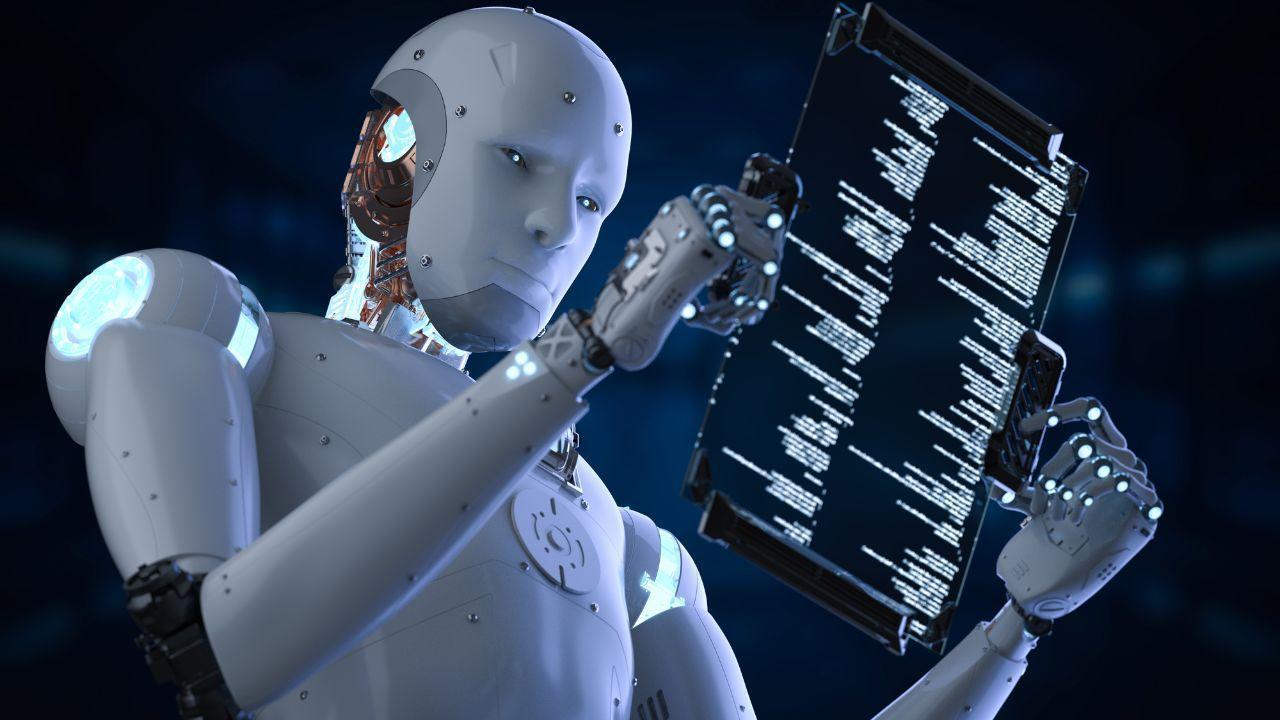
AI has evolved significantly over the past few decades. Early AI systems were rule-based, capable of performing only specific tasks. Today, artificial intelligence has expanded into machine learning, natural language processing, computer vision, and robotics. These capabilities allow machines to learn from data, recognize patterns, make decisions, and even predict future outcomes.
This evolution is not just technological—it is societal. AI is influencing how businesses operate, how healthcare is delivered, and even how individuals interact with technology on a personal level. The boundaries of what AI can achieve continue to expand as researchers and innovators push the limits of intelligent technology.
AI in Everyday Life
AI is no longer confined to research labs or tech companies; it is embedded in everyday experiences. Virtual assistants like Siri and Alexa use artificial intelligence to understand and respond to human commands. Recommendation systems on platforms such as Netflix, Spotify, and Amazon rely on AI algorithms to personalize content for users.
In transportation, AI powers autonomous vehicles and traffic management systems, optimizing routes and reducing congestion. In healthcare, AI analyzes medical data to assist in diagnoses, predict patient outcomes, and develop personalized treatment plans. These real-world applications demonstrate how AI technology is transforming both routine and critical aspects of daily life.
Breaking Barriers in Business and Industry
Industries across the globe are leveraging AI to drive innovation and efficiency. In finance, AI algorithms detect fraud, automate trading, and provide personalized financial advice. Manufacturing uses AI-powered robots to improve precision, reduce errors, and increase production speed. Retailers utilize AI for inventory management, customer service automation, and predictive sales analysis.
By integrating intelligent technology into operations, businesses can gain competitive advantages, streamline processes, and create value in ways previously unimaginable. The AI frontier is expanding the possibilities of what industries can achieve.
Ethical Considerations in AI
As AI becomes more pervasive, ethical questions and challenges are emerging. Bias in AI algorithms, data privacy, job displacement, and the potential for autonomous decision-making raise concerns about accountability and fairness. Ensuring that AI systems are transparent, explainable, and aligned with human values is crucial for sustainable development.
Policymakers, technologists, and society at large must work together to establish frameworks that govern the responsible use of AI. Artificial intelligence should enhance human life without compromising ethical standards or creating unintended harm.
AI in Research and Innovation
The frontiers of AI are not limited to practical applications; they also extend into scientific research and innovation. AI is accelerating discoveries in medicine, climate modeling, space exploration, and material science. Machine learning algorithms analyze massive datasets, identify patterns, and generate insights that humans might overlook.
For instance, AI has been used to design new drugs, predict climate change impacts, and optimize energy usage. These advancements showcase how intelligent technology can augment human intellect, enabling breakthroughs that were previously thought impossible.
Challenges and Limitations
Despite its remarkable potential, AI faces significant challenges. Data quality and availability are critical for training effective AI models. Poor or biased data can lead to inaccurate predictions and unfair outcomes. Additionally, AI systems require substantial computational resources, which can be costly and environmentally demanding.
There is also the human factor: successful integration of AI into society requires education, training, and a willingness to adapt. Organizations and individuals must understand AI capabilities and limitations to fully leverage its benefits while minimizing risks.
The Future of AI
The future of AI promises even greater integration into our personal and professional lives. Emerging technologies such as quantum computing, edge AI, and generative AI are set to redefine the possibilities of intelligent technology. These innovations could lead to real-time decision-making, advanced problem-solving, and more personalized human-machine interactions.
As AI continues to evolve, collaboration between humans and machines will become more seamless. Human creativity, empathy, and judgment will complement AI’s computational power, creating a synergy that can tackle complex global challenges. This vision of the future emphasizes that artificial intelligence is not a replacement for humans but a tool to amplify human potential.
Disclaimer:
The content of this article is intended for informational and educational purposes only. It highlights current trends, insights, and potential impacts of artificial intelligence and intelligent technology. Readers are encouraged to seek further guidance and verify information as needed. GCC news network is not responsible for any decisions or actions taken based on this content.


 English