Post by : Shweta
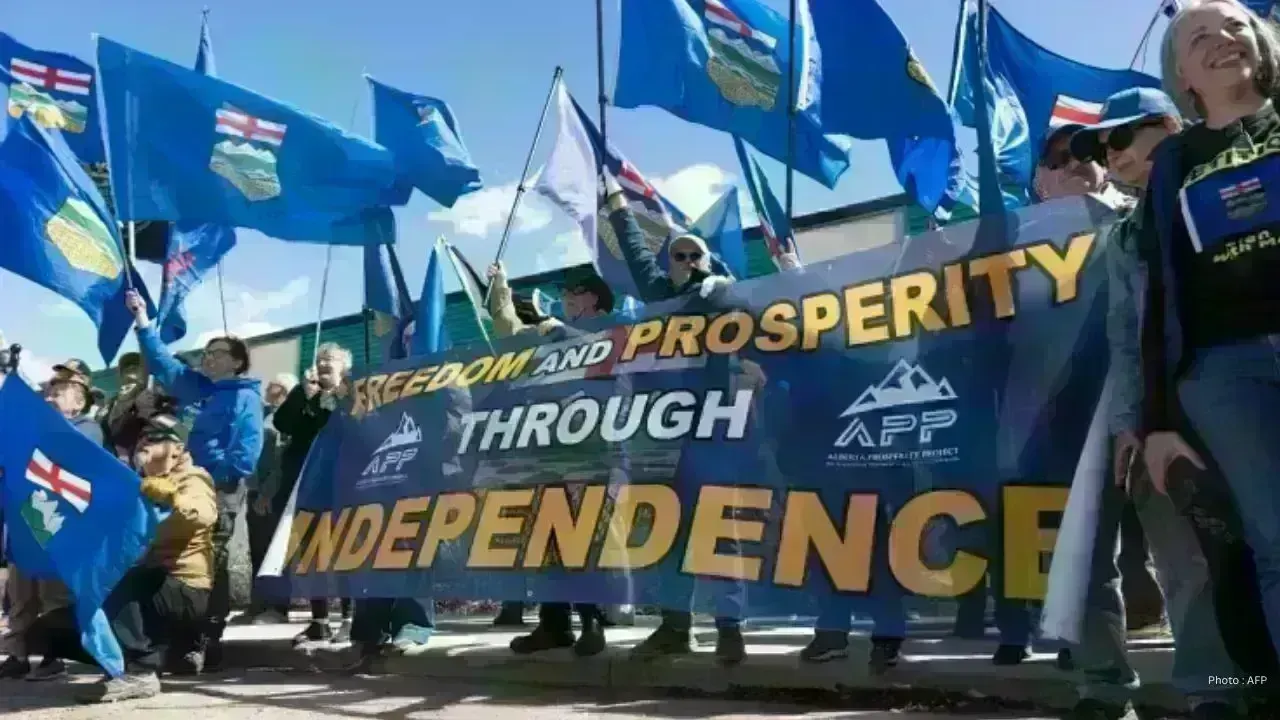
A significant legal decision has been handed down in Canada after an Alberta court halted the separatist groups' attempt to organize a referendum concerning their potential departure from Canada. Justice Shaina Leonard from the Alberta Court of King’s Bench ruled that the petition for this referendum could not proceed due to the provincial government's failure to sufficiently consult with Indigenous First Nations before endorsing the initiative.
The case revolved around a petition launched by the separatist group “Stay Free Alberta” along with other advocates for independence who sought to allow Albertans to cast their votes regarding separation from Canada. They had successfully gathered over 300,000 signatures, far exceeding the necessary amount for the referendum process to advance. However, First Nations entities contested the legitimacy of this initiative in court, asserting that the issue of separation cannot be broached without first addressing the treaty agreements established with Indigenous communities prior to Alberta’s incorporation into Canada.
Justice Leonard pointed out in her ruling that Alberta had a legal obligation to engage in consultations with Indigenous groups, noting that separation from Canada could significantly influence treaty rights as outlined in Treaties 7 and 8. The judge highlighted that such a profound constitutional matter could affect issues such as land rights, governance, and the agreements established between Indigenous nations and the Canadian government. As proper consultations were not conducted, the court declared the petition approval invalid.
This ruling marks a pivotal moment in the ongoing dialogue surrounding Alberta's separatist sentiments and feelings of alienation from the federal government. Concerns have escalated in Alberta in recent years regarding federal energy policies, environmental controls, and rising tensions with Ottawa, particularly given Alberta's role as a major oil producer. Many supporters of the separation movement believe the province contributes significantly to the national economy but feels inadequately acknowledged by the federal authorities.
In response to the court's decision, Alberta Premier Danielle Smith expressed strong discontent and announced intentions to appeal. She referred to the judgment as “anti-democratic,” asserting that it is imperative for citizens to have the opportunity to debate and vote on critical political matters. Although she has consistently stated her preference for Alberta to remain a part of Canada, her administration has defended the referendum initiative as a mechanism of democratic engagement.
Indigenous leaders celebrated the court's ruling, emphasizing it as a crucial affirmation of treaty rights and constitutional safeguards. Chief Allan Adam of the Athabasca Chipewyan First Nation remarked that this decision signals the essential inclusion of Indigenous communities in any discussions pertaining to Alberta’s political future. Numerous First Nations organizations contend that Alberta’s potential separation from Canada cannot be lawfully addressed without honoring the agreements forged with Indigenous nations and the federal government.
The debate over Alberta’s separation has gained traction beyond national borders in recent months. Prior reports indicated that members of separatist-linked groups engaged in conversations with American political figures associated with supporters of former U.S. President Donald Trump. Such reports have added to the political tension in Canada, raising apprehensions about foreign involvement in domestic politics.
Additionally, Alberta’s independence movement faces further scrutiny due to ongoing investigations concerning a major breach of voter data connected to separatist-linked organizations. Both Elections Alberta and police authorities are looking into claims that private voter information belonging to millions of Albertans was misappropriated and disseminated online. Critics highlight that this incident exacerbates worries regarding political extremism, privacy issues, and election security within the province.
Notwithstanding the court's ruling, leaders of the separatist movement assert that they remain undeterred. Activists are now calling for Premier Smith’s government to autonomously place the question of independence on the provincial ballot, circumventing the petition method. Nonetheless, legal experts predict that any prospective attempts at separation would still encounter substantial constitutional hurdles as well as additional court disputes related to Indigenous treaty rights and the Clarity Act in Canada.


 English