Post by : Saif
Al-Najjar
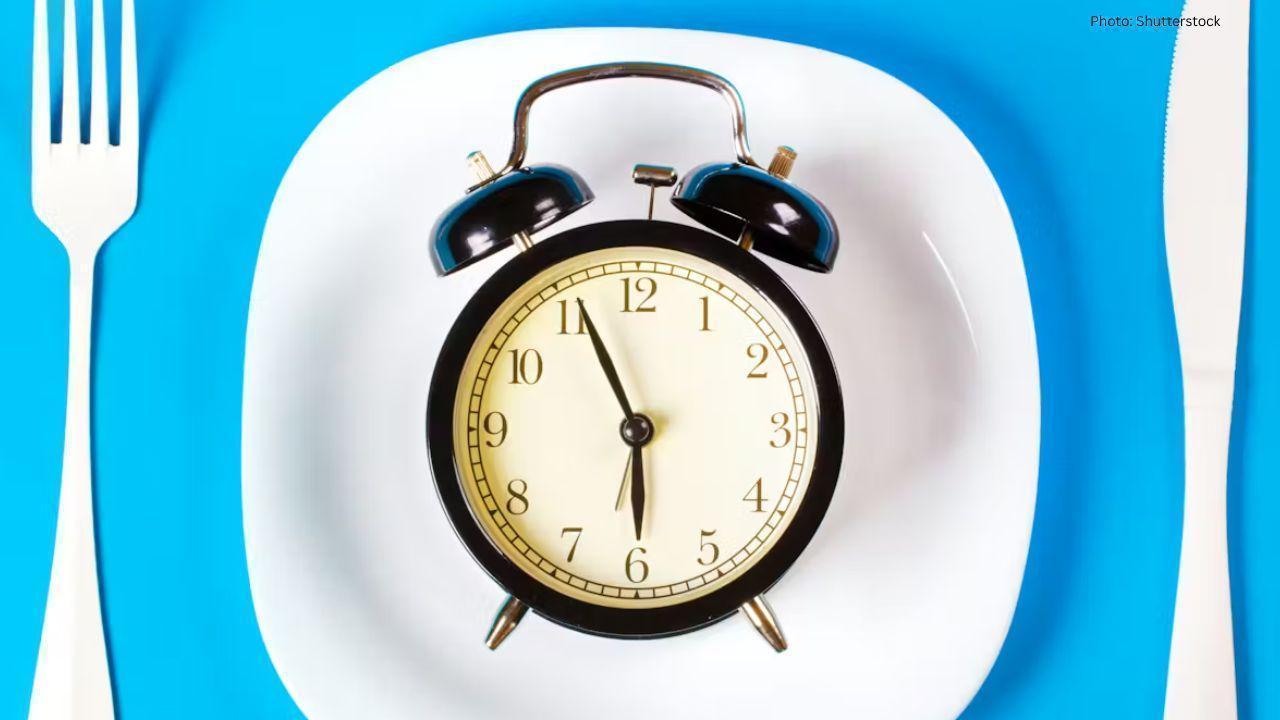
With the arrival of winter and early sunsets, daily schedules often shift considerably. As work hours end in darkness, meals become pushed back, leading to longer night hours. Health professionals emphasize the importance of when we eat, particularly in the colder months. Recent findings suggest that dining earlier in the evening may aid digestion, metabolism, sleep quality, and even mood stability.
The human body operates based on natural circadian rhythms, which affect sleep, digestion, energy levels, and hormone balance. These rhythms are significantly impacted by variations in daylight. In winter, as days shorten, the body gradually prepares for rest, indicating that late dinners may not be ideally processed compared to those consumed earlier.
Chrononutrition studies have provided valuable insights into the effects of meal timing. One investigation revealed that participants dining at 10 p.m. exhibited 20% higher blood sugar levels and reduced fat burning compared to those who had their evening meal at 6 p.m. Although bedtime remained constant for both groups, those who ate earlier demonstrated healthier metabolic responses. A broader review of nearly 30 studies reaffirmed these trends, indicating that individuals consuming earlier meals experienced improved weight management and metabolism.
Moreover, late-night eating, particularly near bedtime, can increase risks for poor sleep, weight gain, and metabolic disorders like type 2 diabetes. Consuming food during the body's recovery phase can disrupt digestion and hormone regulation, leading to less effective energy utilization at inappropriate times. This may negatively impact sleep quality and metabolic functions.
Winter exacerbates these factors. Reduced daylight and diminished sunlight may lower serotonin levels, affecting mood and possibly triggering seasonal depression for some. Lengthy indoor evenings often prompt snacking or later meals. Thus, even small adjustments to dinner time could promote balance during these darker months.
There are multiple advantages to earlier winter dining. First, it aligns with metabolic timing, enabling energy expenditure during the body’s peak functioning hours. Second, it allows the digestive system to fulfil its role well before sleep, potentially improving overnight recovery. Lastly, consistent mealtime can stabilize daily rhythms, enhancing mood and vitality even when days grow shorter.
However, experts caution that an earlier dining schedule isn't universally beneficial. Personal activity levels, health status, working hours, and lifestyle variability can influence optimal eating times. For instance, an athlete training late may require a later dinner for muscle recovery, while someone leading a quieter evening may find earlier, lighter meals advantageous.
Rather than rigid guidelines, specialists advocate for a mindful and adaptable approach to meal timing. Individuals should consider how their dinner routine affects their sleep quality, morning tiredness, and post-meal comfort. Simple changes can yield significant benefits. Aiming for dinner between 5:30 p.m. and 7:00 p.m., prioritizing calories earlier in the day, planning meals around activities, and maintaining a gap of two to three hours between dinner and sleep may better align with natural rhythms. Observing one’s eating patterns over a week or two can help identify the most effective approach.
As winter ushers in longer nights and slower paces, embracing earlier dining can help achieve a sense of balance. Being attentive not just to our food choices but also to meal timing can significantly enhance our well-being during this season.


 English