Post by : Anis
Al-Rashid
Understanding Blockchain's Impact Beyond Cryptocurrency
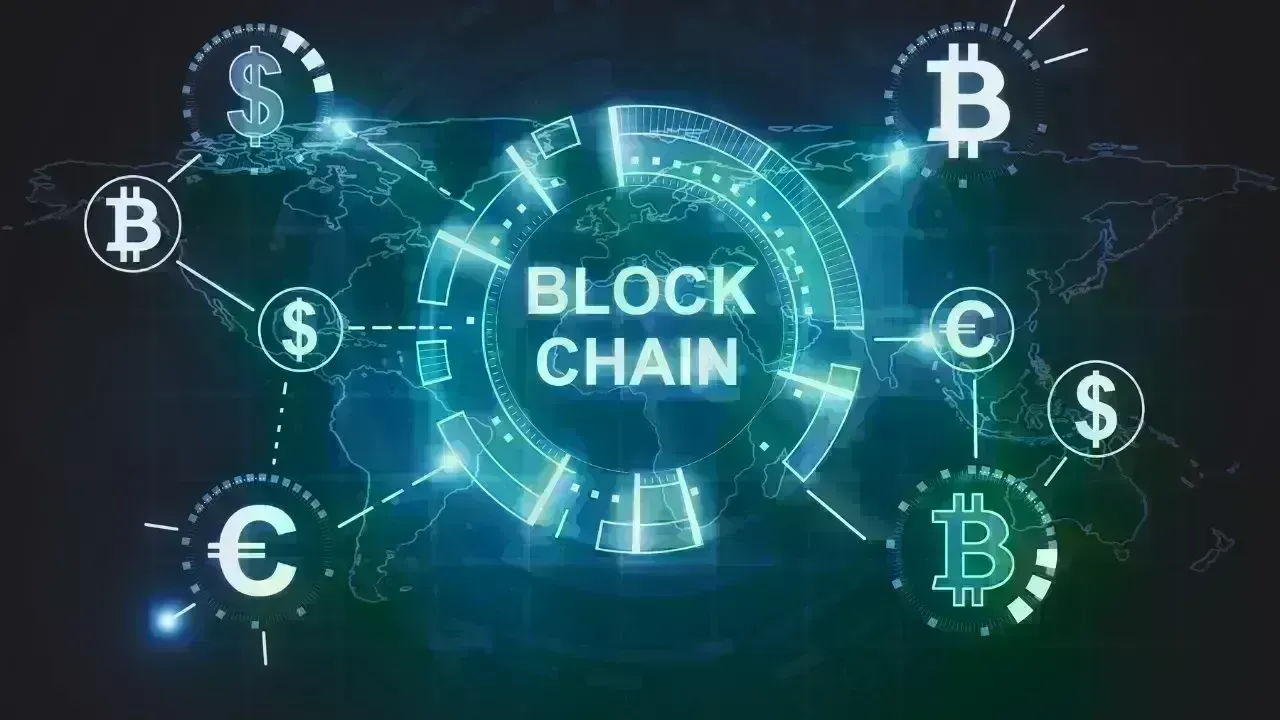
Initially introduced with Bitcoin, blockchain captured attention for its potential as decentralized currency. While early discussions centered around market fluctuations, the technology offers far-reaching innovations: a secure, transparent distributed ledger that enables reliable transaction recording without centralized control.
By 2026, blockchain's applications have expanded well beyond financial transactions. Organizations, governments, and institutions worldwide are exploring and implementing blockchain for practical solutions—ranging from enhancing supply chain visibility to confirming academic credentials, facilitating seamless international payments, and safeguarding essential infrastructures. This evolution from speculative to practical uses marks a pivotal moment in blockchain's development.
In this article, we delve into current blockchain applications, their relevance, and their transformative effect on various industries that extend beyond their crypto origins.
Enhancing Transparency in Supply Chains
Supply chain management is a standout use case for blockchain. Conventional supply chains involve numerous intermediaries—manufacturers, logistics firms, distributors, and retailers—all operating separate record systems. This fragmentation leads to inefficiencies and raises the risk of fraud.
Blockchain provides a solution by ensuring a unified, tamper-proof record accessible to all parties involved.
Tracking Provenance
Blockchain allows for every phase of a product's journey to be recorded unalterably: from raw material origins to processing locations, shipment milestones, customs clearance, and final delivery. Each record links cryptographically to the prior one, making historical alteration nearly impossible. This capability is vital in industries where authenticity and safety are paramount—like pharmaceuticals, luxury goods, and food.
Consumers have the ability to scan product codes to unveil the transparent history of sourcing and handling. For instance, seafood can disclose its catch location, processing details, and transportation duration. This transparency fosters trust, reinforces brand integrity, and minimizes disputes.
Mitigating Waste and Fraud
Beyond authenticity, blockchain aids in reducing waste and fraud by identifying supply chain bottlenecks, enhancing inventory management, and discouraging counterfeit products. In agriculture, where spoilage is expensive, real-time monitoring helps stakeholders make informed decisions on routing, storage, and packaging.
Digital Identity Management and Security
Identity theft and data breaches are ongoing global challenges. Traditional identity management relies heavily on centralized systems, making them vulnerable to exploitation. The decentralized nature of blockchain provides a safer alternative.
Self-Sovereign Identity
With blockchain, self-sovereign identity (SSI) is achievable, allowing individuals to manage their own identity credentials instead of depending on organizations or governments. Rather than multiple login credentials scattered across services, users can maintain a manageable, verifiable, and portable digital identity.
For instance, a student can store their academic records, certifications, and licenses on a blockchain. When applying for a job, potential employers can verify credentials directly, streamlining the verification process and combating fraud.
Ensuring Privacy and Security
With cryptographic keys in use, sensitive information stored on the blockchain is secured and accessible only with consent. This shifts power to individuals regarding their personal data—significantly differing from current systems, where third parties often control and profit from private information.
Financial Services: Expanding Beyond Cryptocurrencies
While blockchain is intertwined with cryptocurrencies, its technology is increasingly sought after by conventional financial institutions for non-speculative purposes.
Facilitating Cross-Border Transfers
International remittances often suffer from high costs and lengthy processes due to multiple intermediaries. Blockchain enables near-instant cross-border transfers with known fees. Tokenizing currencies or utilizing stablecoins linked to fiat helps institutions minimize friction in global payments.
For example, a worker can send funds to family members overseas almost instantly, with quick conversion to local currency, alleviating the financial burden of remittances for countless users globally.
Transforming Trade Finance and Settlements
Blockchain reshapes trade finance, where manual reconciliations of letters of credit, invoices, and shipment data often lead to errors and delays. Shared blockchain ledgers provide an accurate source of truth for all stakeholders, easing processes and minimizing paperwork.
By digitizing and automating settlements, banks and companies can lessen transaction risks and improve cash flow—especially beneficial for small and medium enterprises engaged in global trade.
Healthcare: Securing Patient Data
Healthcare systems generate vast amounts of sensitive information, necessitating secure management. Traditional electronic health record (EHR) systems often operate in silos, hindering continuity of care.
Blockchain offers a robust solution by allowing for secure, immutable records of patient data that authorized users can access with consent.
Interoperability in Healthcare
With blockchain, a patient's health history can be seamlessly shared between medical facilities, specialists, and laboratories without the need for separate databases. This interoperability enhances diagnosis accuracy, minimizes redundant testing, and improves patient outcomes.
In emergencies, vital health information can be shared immediately between healthcare providers, empowering quicker, informed decision-making.
Safeguarding Patient Data
Given the cryptographically secure and tamper-evident nature of blockchain records, the likelihood of unauthorized access or data leaks is significantly reduced. Patients maintain control over who can access their data, making health management safer.
Revolutionizing Voting Systems
Blockchain's intriguing applications extend to electoral processes. Traditional voting systems, particularly paper-based and centralized digital platforms, are often fraught with concerns regarding tampering, fraud, and transparency. Blockchain provides a framework for counting votes transparently and immutably, enhancing trust in election outcomes.
Auditable Voting Results
In a well-designed blockchain voting system, each vote corresponds to a record on a publicly auditable yet cryptographically secure ledger. Voters can confirm their choices anonymously, while independent observers can validate that results match the submitted records.
This level of transparency may bolster voter confidence in closely contested elections and deter manipulation by bad actors.
Remote Voting Options
Blockchain also facilitates secure remote voting, circumventing the vulnerabilities present in traditional online systems. In areas with limited polling access, blockchain-enabled voting can drive higher participation rates while maintaining election integrity.
Streamlining Real Estate Transactions
Navigating property transactions often involves layers of bureaucratic processes and lengthy verifications. Blockchain can revolutionize real estate dealings by offering clear, unalterable records of ownership.
Smart Contracts in Property Deals
Blockchain enables smart contracts—auto-executing agreements that fulfill when predetermined conditions are met. In real estate, ownership can shift automatically when payments are made, titles are confirmed, and conditions are fulfilled. This capability lowers the dependency on lawyers, notaries, and escrow agents, minimizing costs and speeding up processes.
Fraud Prevention and Title Management
Title records registered on blockchain are safeguarded against tampering and easily verified, reducing fraud risks and simplifying due diligence for buyers, lenders, and governing bodies.
Decentralized Finance (DeFi): Innovations Beyond Traditional Banking
Decentralized Finance, or DeFi, utilizes blockchain to offer financial services independent of traditional banks and brokers. Originating from lending and trading, DeFi's potential is now recognized across more expansive domains.
Accessible Financial Services
DeFi platforms make savings, lending, and investment applications accessible globally to users with only internet access, promoting financial inclusion for unbanked individuals, especially in areas with inadequate banking infrastructure.
Automation in Financial Transactions
Thanks to smart contracts, DeFi platforms can provide automated services such as yield-generating accounts, programmed payments, and contract derivatives. These operate transparently without centralized oversight, offering users more autonomy over their assets.
Energy and Sustainability: Promoting Green Practices
The energy sector is exploring blockchain for tracking renewable energy generation and consumption. Conventional grids and carbon accounting systems suffer from inefficiencies, but distributed ledgers can clearly document energy certificates and renewable credits.
Direct Energy Trading
In several pilot initiatives, households with solar panels have the opportunity to sell surplus energy directly to neighbors via blockchain-based platforms. This decentralized approach can lessen reliance on central utilities, empowering local energy networks.
Transparency in Carbon Credits
Blockchain also facilitates transparent carbon credit transactions, ensuring each credit is legitimate and preventing double-counting. This bolsters carbon markets and aligns with sustainability initiatives.
Protecting Intellectual Property and Content
Blockchain technology is being harnessed to secure intellectual property rights by timestamping creations on a ledger that substantiates existence at a specific moment.
Rights Management in Art and Media
Creators can record their work on blockchain, establishing a permanent ownership and provenance record. This mitigates copyright disputes and fosters new mechanisms for tracking royalties.
Expanding Digital Ownership
Non-fungible tokens (NFTs) gained popularity for digital art, demonstrating blockchain's capacity to manage ownership in wider contexts, including intellectual property rights, virtual goods, and revenue models for creators.
Challenges to Mainstream Blockchain Adoption
Despite the growth in practical applications, blockchain faces unique challenges.
Scaling and Performance Issues
Many blockchain networks encounter challenges relating to transaction speed and cost during peak usage. Solutions such as layer-2 scaling and innovative consensus mechanisms are currently in development, yet significant advances remain on the horizon.
Regulatory Hurdles
Global policymakers are still grappling with how to regulate blockchain applications. Establishing clear guidelines is crucial for fostering innovation while safeguarding users and systems from exploitation.
Integrating Legacy Systems
Numerous industries rely on well-established infrastructure. Successfully integrating blockchain demands thorough planning, collaboration across sectors, and often regulatory approval, potentially hindering its adoption.
Looking Forward: The Future of Blockchain Innovation
The evolution of blockchain technology is ongoing. As organizations transition from pilot projects to comprehensive deployments, real-world successes will enhance confidence and spur further exploration. Advancements in interoperability, privacy features, and streamlined user experiences are expected to catalyze further adoption.
Future blockchain potential may include:
-
global health record systems
-
digital passports
-
universal credentialing frameworks
-
automated compliance tools
-
decentralized governance models
All these areas have the potential to leverage blockchain's core strengths of transparency, security, and decentralization.
In Summary: Transforming Concepts into Reality
The transition of blockchain from a cryptocurrency foundation to a vital technology for real-world utilization signifies one of the most critical shifts in information systems observed over the past decade. What began as a novel method for transferring digital assets has evolved into a platform for trust, reliable data, and collaborative decentralization.
As various industries, institutions, and governments experiment with and implement blockchain solutions, the narrative is transitioning: blockchain transcends mere tokens and speculation, addressing genuine challenges—enhancing supply chain integrity, safeguarding identities, revolutionizing financial operations, and facilitating new digital interactions.
In 2026, the true benefits of blockchain are becoming evident not through inflated claims, but rather through actual implementation.
Disclaimer
This article is intended for informative purposes only and does not constitute financial, legal, or technical guidance. Results may vary based on regulatory, technological, and organizational factors.


 English