Post by : Shweta
In light of the escalating Ebola crisis in central Africa, Canada has initiated more stringent travel and immigration regulations. This decision aims to safeguard the nation from the potential entry of the virus, following a warning from the World Health Organization about the rapid spread of Ebola in impacted areas.
New emergency protocols mandate that individuals arriving in Canada from countries affected by Ebola, such as the Democratic Republic of Congo, Uganda, and South Sudan, must self-isolate for a period of 21 days. Canadian health authorities believe this quarantine matches the virus's incubation period and will minimize the risk of transmission. Travelers exhibiting symptoms during airport or border checks will be immediately referred for medical assessment and possible isolation.
The Public Health Agency of Canada has stated that these temporary measures will be enforced starting at the end of May and will continue until a minimum of August 29, with the possibility of extension should the global situation deteriorate. Arrangements for quarantine facilities will be made available for travelers lacking a safe isolation option upon arrival in Canada.
Additionally, immigration procedures linked to the affected nations are being temporarily halted. Immigration officials have announced the suspension of final decisions concerning applications for temporary visas, work permits, study permits, permanent residency, and electronic travel authorizations for citizens from Congo, Uganda, and South Sudan. This decision is characterized as a precautionary measure rather than a total immigration prohibition.
Canadian Health Minister Marjorie Michel emphasized the urgency of these actions, particularly with the anticipated surge in international travel during the summer and the upcoming FIFA World Cup in North America. She cautioned that even one imported case of Ebola could trigger widespread public anxiety and strain on healthcare resources.
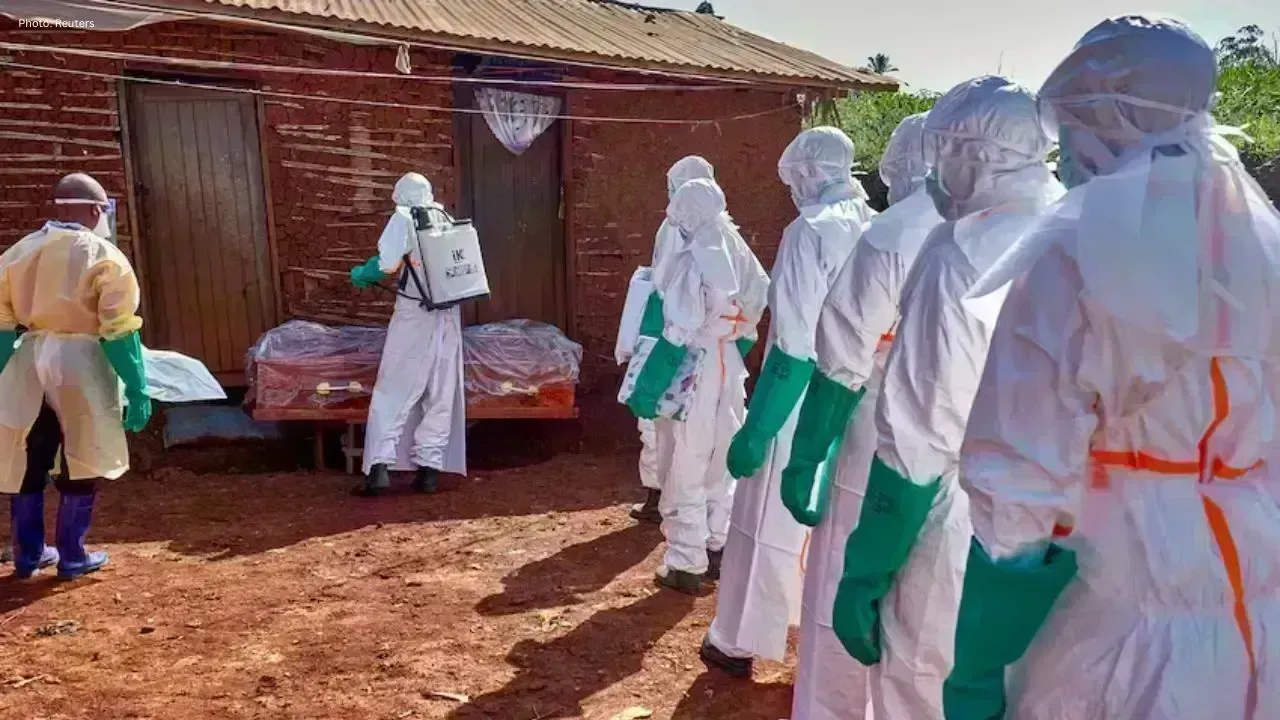
The World Health Organization has reported hundreds of suspected infections and over 220 deaths related to the Ebola outbreak caused by the Bundibugyo strain in Africa. WHO officials have heightened the global risk assessment and indicated that the crisis may persist for months unless more robust containment efforts are implemented.
Currently, Canadian authorities report no confirmed Ebola cases in Canada or North America. However, they are intensifying border screening, closely monitoring international travelers, and collaborating with global health organizations to track the virus's spread. The government has also reminded travelers that anyone who has come into contact with Ebola must disclose their condition in compliance with Canada’s Quarantine Act.
These measures follow similar actions taken by the United States and the Bahamas, both of which have tightened travel regulations concerning Ebola-affected regions. Health experts affirm that governments are proactively seeking to prevent a recurrence of previous Ebola crises by acting preemptively and enhancing monitoring efforts to curb further global dissemination.


 English