Post by : Shweta
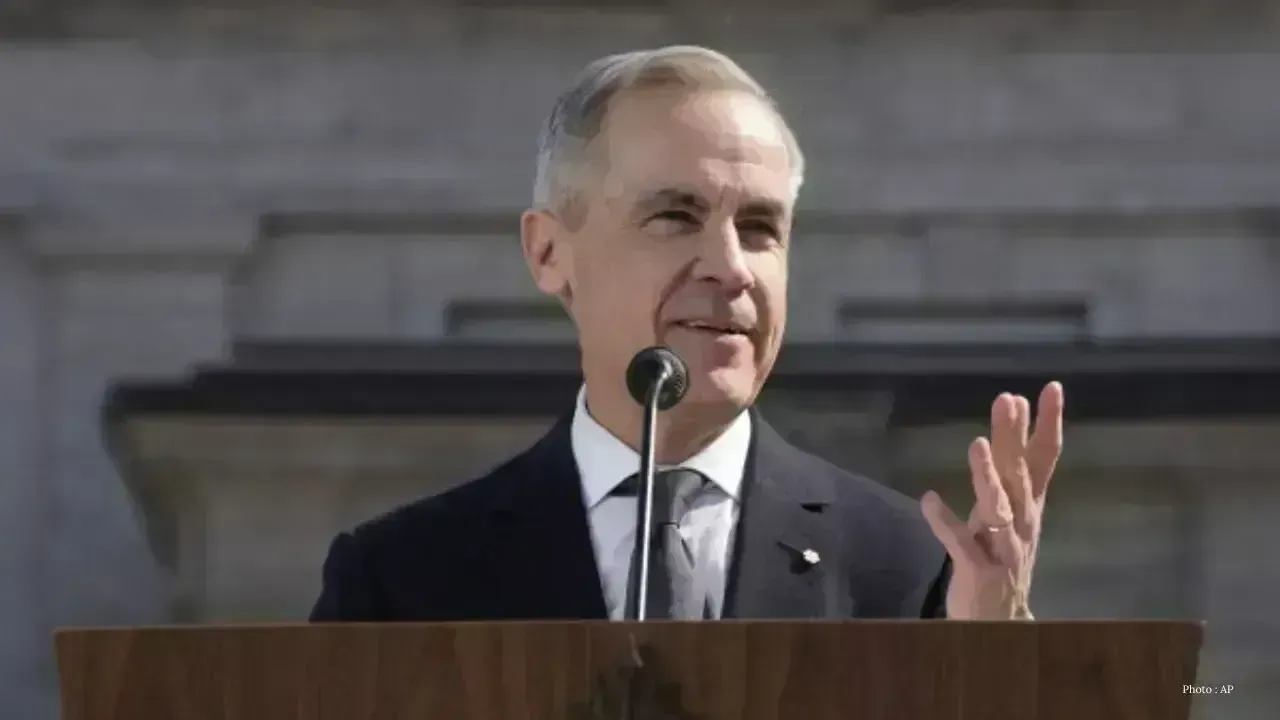
The administration led by Prime Minister Mark Carney has opted to pause its proposed environmental reforms in light of substantial feedback received from Indigenous communities, environmental organizations, industry representatives, and the general public. This decision alters the timeline originally set for implementing significant changes to Canada's environmental review and project approval processes.
Initially, these reforms aimed to expedite the approval process for large-scale infrastructure and economic projects throughout Canada. Government officials contended that quicker approvals would bolster economic growth, enhance Canada's competitiveness, and diversify export markets amidst increasing global economic challenges.
However, the feedback obtained during public consultations raised concerns that led the government to rethink the speed of these proposed changes. Observers noted that insights from thousands of stakeholders underscored the need for more thorough reviews and discussions before any legislative action can be taken.
The proposed reforms included various measures aimed at streamlining environmental assessments and expediting approvals for crucial economic development projects in Canada. Some suggestions reportedly involved simplifying the regulatory processes for significant infrastructure and resource initiatives.
Environmental advocates voiced worries that certain planned changes might undermine existing environmental protections. Numerous organizations argued that reducing review requirements could elevate risks to ecosystems, wildlife habitats, and sensitive environmental areas. Conservationists cautioned against speeding up approvals at the expense of long-term ecological sustainability.
Indigenous leaders also expressed concerns during the consultations, emphasizing that the proposals must involve wider engagement and improved consultation before implementing significant legislative changes. They stressed the importance of safeguarding Indigenous rights and involvement in decisions related to major development projects.
This decision to extend consultations reflects the government's challenge of reconciling economic development objectives with commitments to environmental protection and Indigenous collaboration. Canada faces ongoing pressure to enhance project approval timelines while maintaining robust environmental standards and upholding legal consultation requirements.
Industry groups have largely endorsed initiatives aimed at reducing regulatory delays, as they argue that prolonged approval processes can deter investment and impede economic progress. Business associations have consistently advocated for reforms that foster greater certainty for companies engaged in major infrastructure, energy, mining, and transportation projects.
Conversely, environmental advocates maintain that thorough assessment processes are crucial in protecting communities and natural resources. They argue that these environmental reviews help reveal potential risks before projects advance, ensuring that long-term impacts are appropriately evaluated.
The Carney administration has confirmed that public feedback will play a critical role in refining the final iteration of any proposed legislation. Rather than rushing towards immediate enactment, officials intend to dedicate further time to review submissions and engage with stakeholders prior to introducing a conclusive set of reforms.
Political analysts suggest that this decision illustrates the government's desire to steer clear of introducing divisive environmental legislation without broader consensus. Environmental policy is a highly scrutinized topic in Canadian politics, particularly as authorities strive to balance economic progression, climate responsibilities, resource management, and Indigenous reconciliation.
This delay doesn’t signify an abandonment of the proposed reforms; instead, it indicates that the government is looking to refine its strategy and address issues raised during the feedback process. Future legislation may still aim to enhance efficiency in project approvals, albeit with further safeguards and consultation measures.
In the months ahead, more discussions between federal officials, Indigenous representatives, environmental advocates, industry stakeholders, and provincial authorities are likely. The results of these conversations could significantly influence Canada’s approach to major infrastructure and natural resource initiatives for the foreseeable future.
For the time being, the government's decision to extend the process underscores the significance of public input in shaping national policies. As consultations progress, stakeholders nationwide will be closely monitoring how Ottawa aims to harmonize environmental protections with economic growth objectives.
For all the latest developments and comprehensive coverage, stay connected with us.


 English