Post by : Saif
Al-Najjar
The extension of the ceasefire between Israel and Lebanon brings a sigh of relief to many in the Middle East, as the recent weeks have been fraught with anxiety. Iran's willingness to engage in discussions with the United States further adds to the hope that diplomatic efforts could avert a larger conflict in the region.
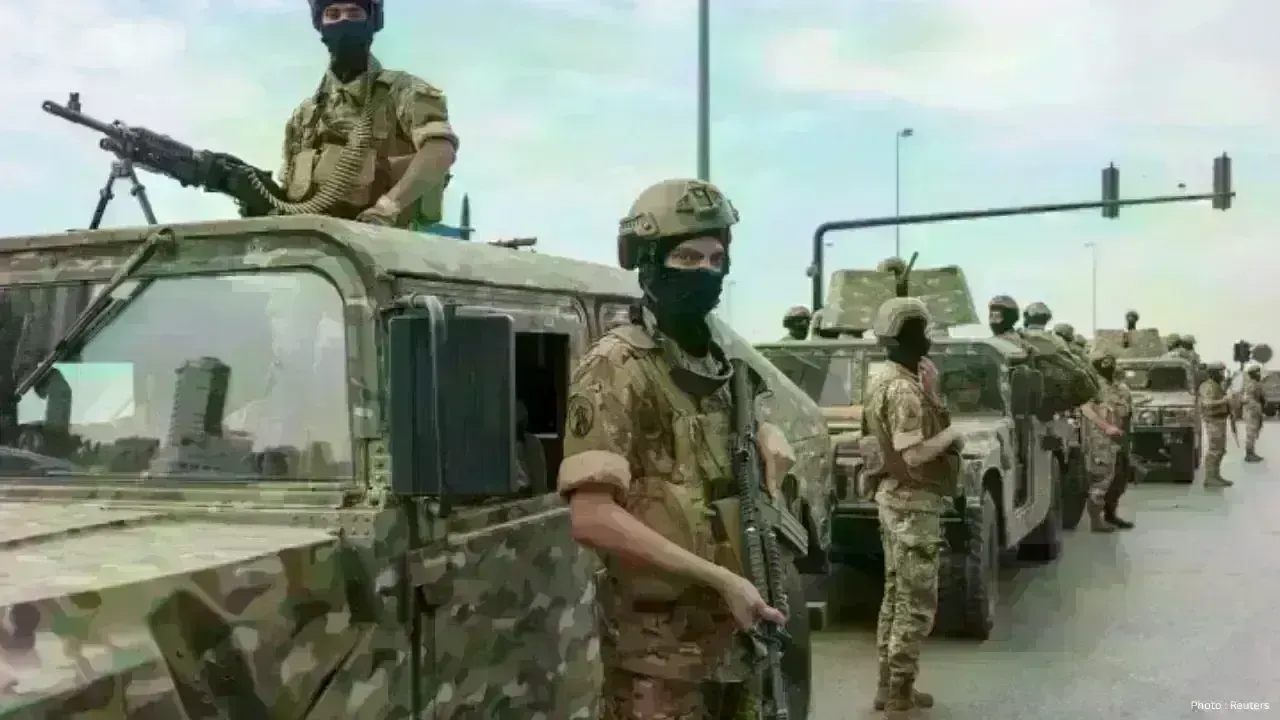
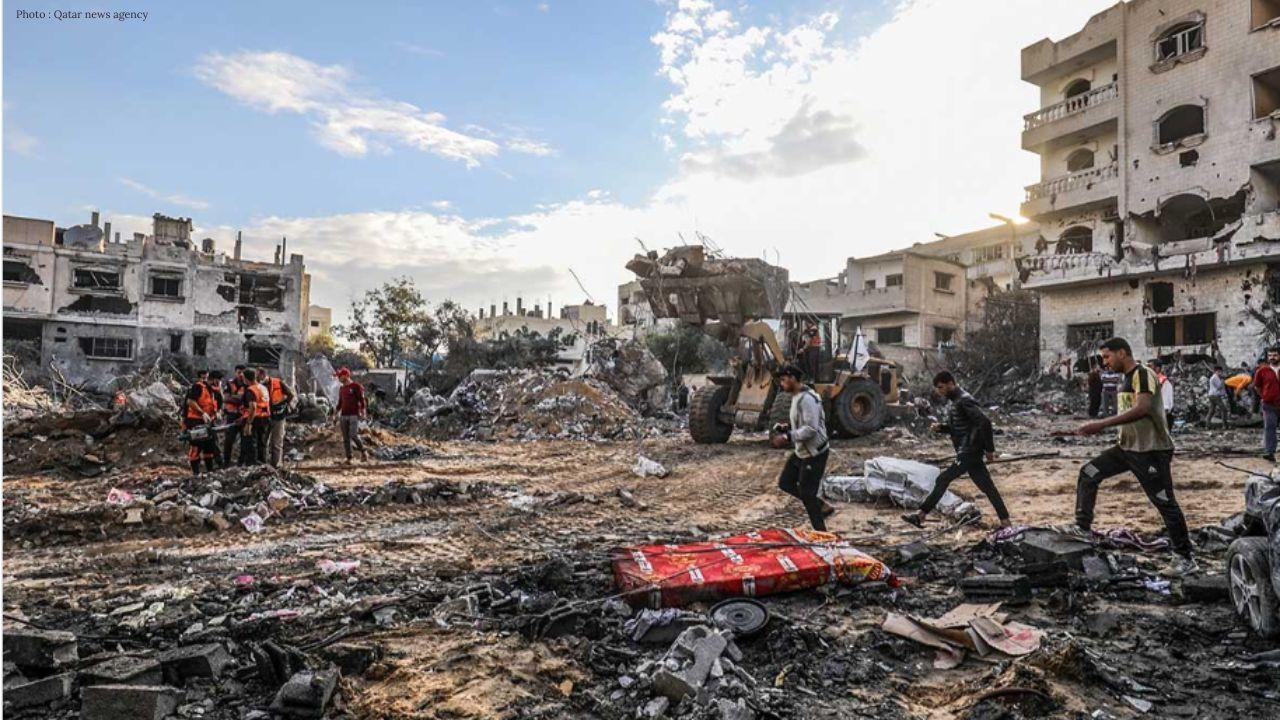
This extension follows international calls for a cessation of hostilities at the Israel-Lebanon border, where clashes between Israeli troops and Hezbollah have displaced numerous families and inflicted significant damage on towns in southern Lebanon. The continuation of the truce for another 45 days is regarded as a crucial move toward stability.
However, the atmosphere remains precarious. Incidents of new strikes and security endeavors reflect the ongoing volatility. Residents residing near the border remain anxious about a potential restart of hostilities, prompting global leaders to urge both parties to exercise caution and avoid escalating the situation.
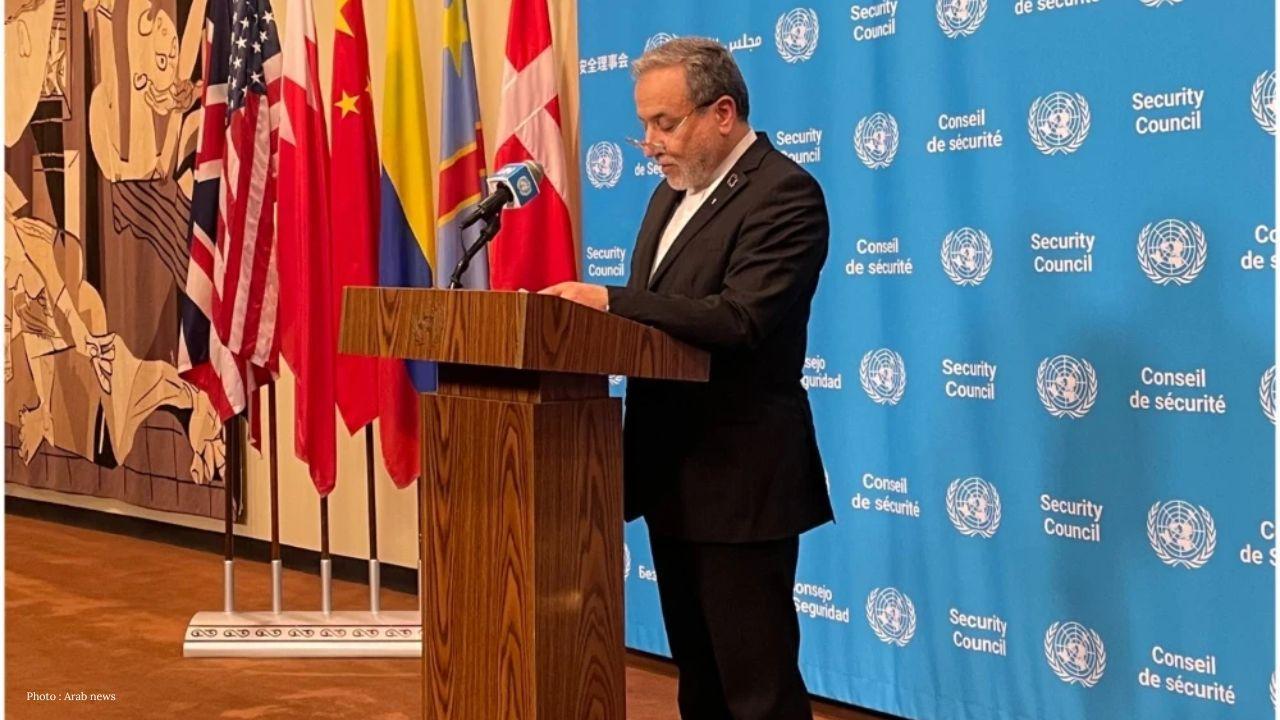
Iran's pivotal position in this crisis cannot be overlooked. As a backer of Hezbollah, its influence on regional dynamics is substantial. Tehran has indicated a readiness to engage in further talks with the U.S. concerning nuclear and security matters, which is essential given that the friction between Washington and Tehran often reverberates throughout the Middle East.
The U.S. finds itself balancing military might with diplomatic outreach, seeking to prevent a wider conflict while encouraging Iran to curtail its nuclear ambitions. Nevertheless, Iran's demand for an easing of sanctions and stronger assurances complicate these negotiations.
The human toll of the conflict is palpable, with families in Lebanon facing devastation and displacement, alongside Israelis living under the shadow of potential attacks. Economic challenges, escalating prices, and widespread uncertainty exacerbate the situation for many across the region.
While the ceasefire extension provides a glimmer of hope, it does not signal the end of the crisis. The path to peace will require more than just military restraint; genuine dialogue, patience, and substantial negotiations among all parties are essential.
The upcoming weeks hold immense significance. If leaders prioritize dialogue and maintain peace, the region might edge toward stability. Conversely, any escalation could plunge the Middle East back into a tumultuous cycle of conflict and unpredictability.


 English