Post by : Shweta
China has emphatically rejected the latest sanctions imposed by the United States on several of its oil refineries that are accused of buying crude oil from Iran. Beijing termed these restrictions as unjust, breaching international law, and hampering standard trade practices between Chinese firms and foreign nations.
This conflict arose as the U.S. intensified pressure on Iran's oil sector amidst its broader sanctions strategy against Tehran. Washington has accused multiple Chinese companies and independent refineries of facilitating Iran's oil sales in defiance of active international sanctions. U.S. officials argue that these oil transactions provide significant financial support to the Iranian government amid escalating regional tensions.
In response, China’s Commerce Ministry announced that it would neither acknowledge nor abide by the U.S. sanctions. An official statement from the ministry emphasized that the American measures “shall be deemed unrecognized, unimplemented, and uncomplied with” as they hinder legal business operations and harm international economic relations. Beijing also conveyed its disapproval of unilateral sanctions imposed without United Nations endorsement.
Reports suggest the sanctions target five Chinese refineries linked to Iranian crude imports, including Hengli Petrochemical in Dalian, along with several independent “teapot” refineries predominantly located in Shandong province. The phrase “teapot refinery” refers to smaller private oil processors in China that frequently purchase discounted crude from nations under sanctions, including Iran and Russia.
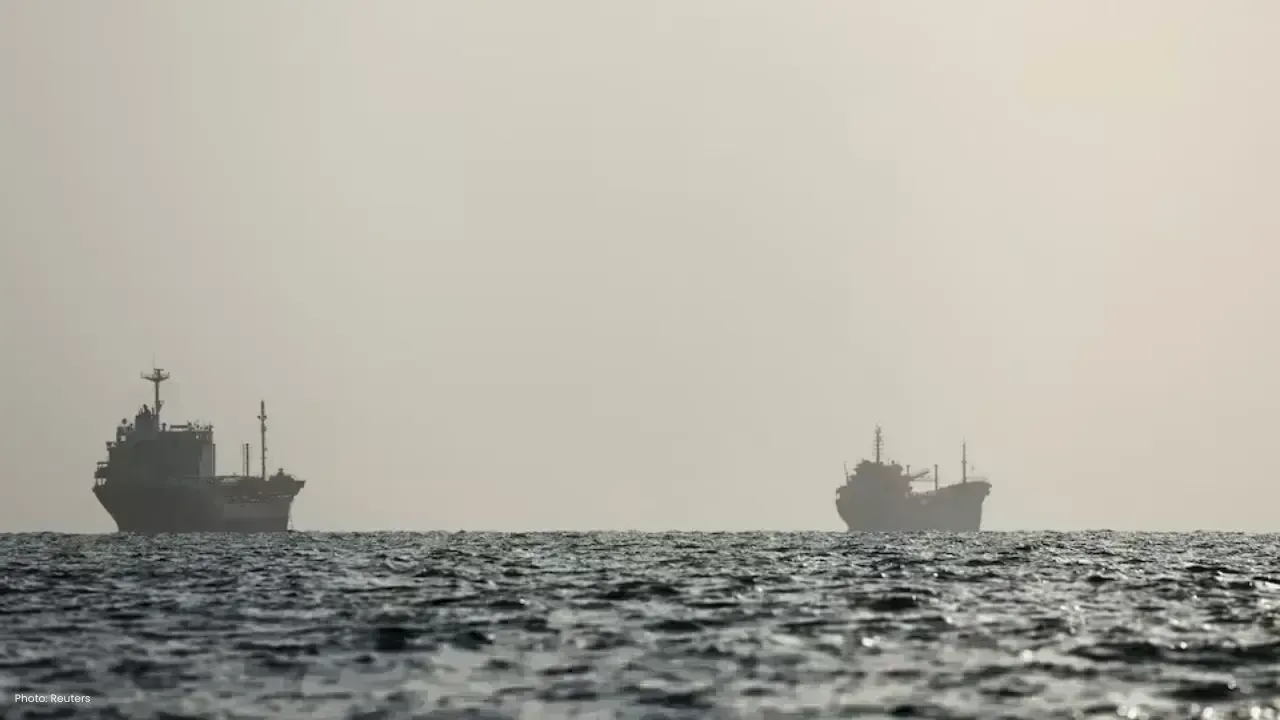
U.S. authorities claim these companies have imported substantial quantities of Iranian crude oil through intricate shipping and trading networks. Some U.S. officials have accused certain firms of employing clandestine supply chains, ship-to-ship transfers, and fabricated shipping documents to disguise the oil's origin. The U.S. Treasury has stated that such practices allow Iran to continue generating billions from oil exports, despite extensive international pressures.
Nonetheless, China has defended its trading relationship with Iran, insisting that regular energy cooperation should be devoid of political influences. Chinese officials cautioned that these sanctions could disrupt global supply chains and create volatility in international energy markets. They also indicated they would adopt necessary measures to safeguard the interests of Chinese enterprises affected by these sanctions.
This issue significantly heightens the already fraught relations between Washington and Beijing. The two nations have clashed over several matters in recent years, encompassing trade practices, technology regulations, Taiwan, and geopolitical dominance in Asia and the Middle East. Analysts suggest the current sanctions confrontation may further complicate diplomatic negotiations between the two superpowers.
Experts assert that China remains one of the leading importers of Iranian oil, largely due to the lower prices at which Iranian crude is offered compared to other suppliers. Numerous independent refineries in China rely on these discounted imports to maintain profitability, particularly during periods of diminished domestic fuel demand and reduced refining margins.
Additionally, reports indicate that tanker shipments of Iranian oil to China have persisted despite the tightening American sanctions. Industry analysts remark that the trade has grown more secretive, with some shipments being mislabeled as oil originating from other nations prior to their arrival at Chinese ports.
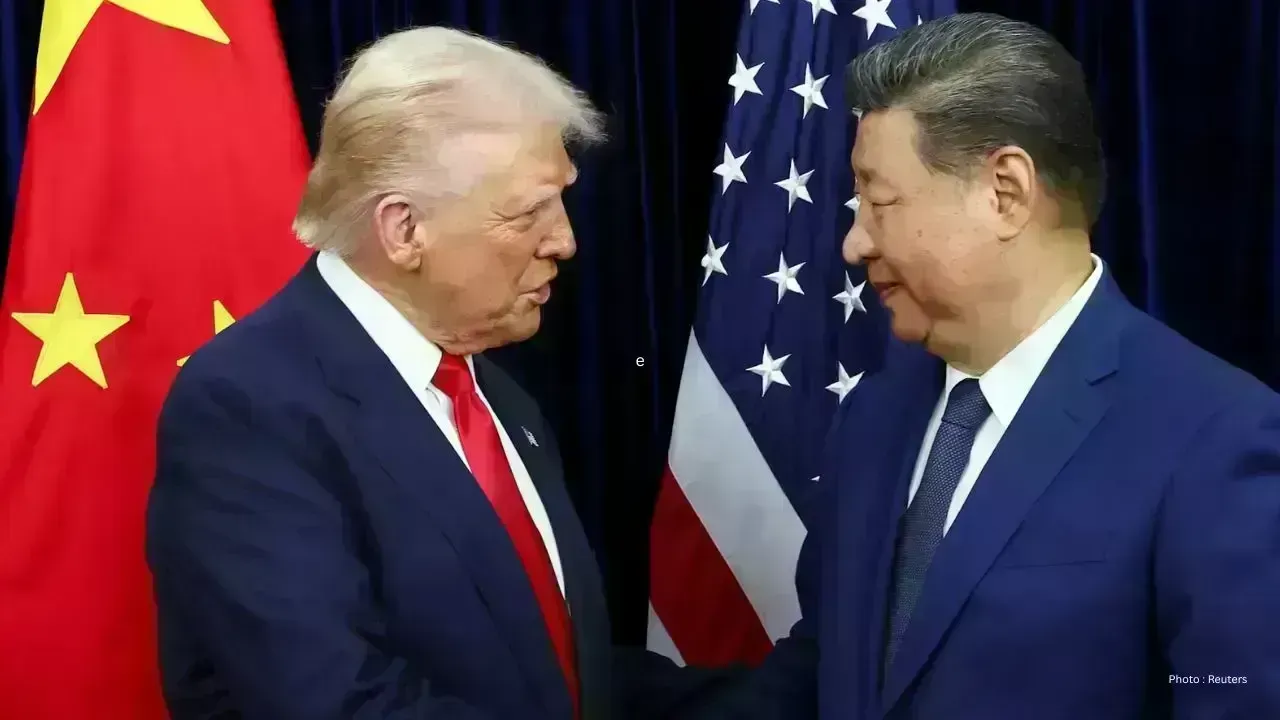
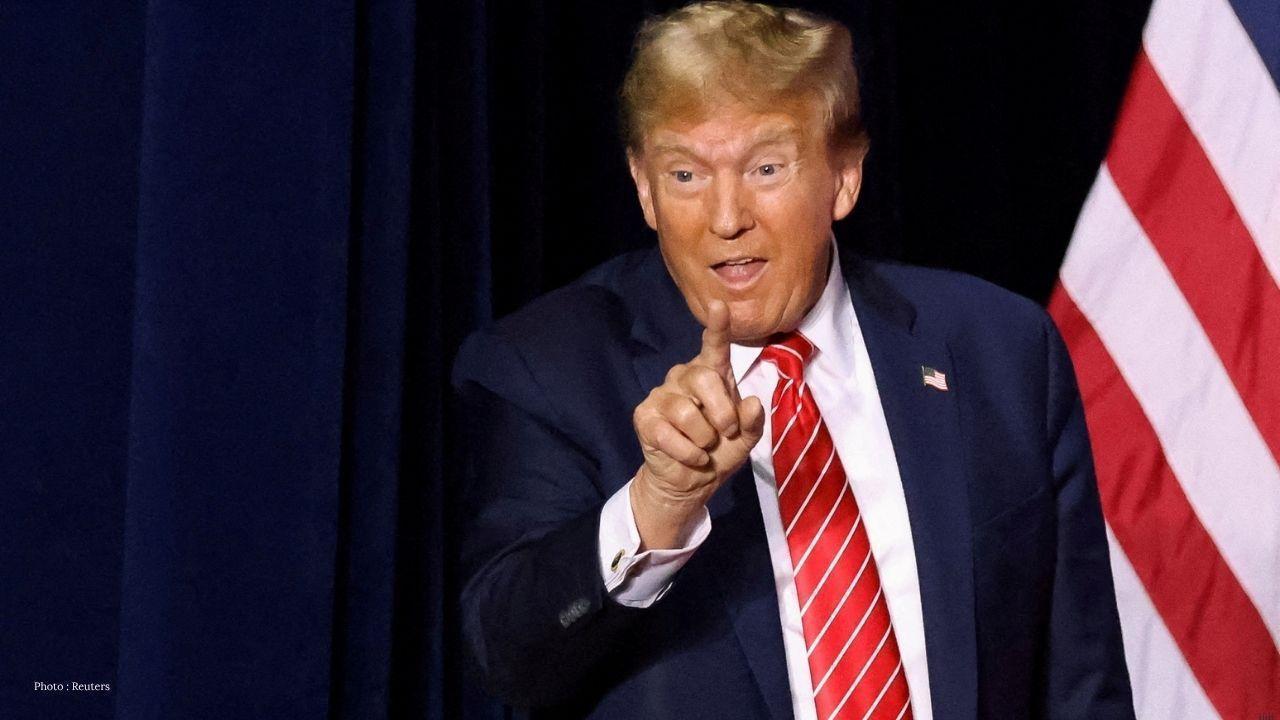
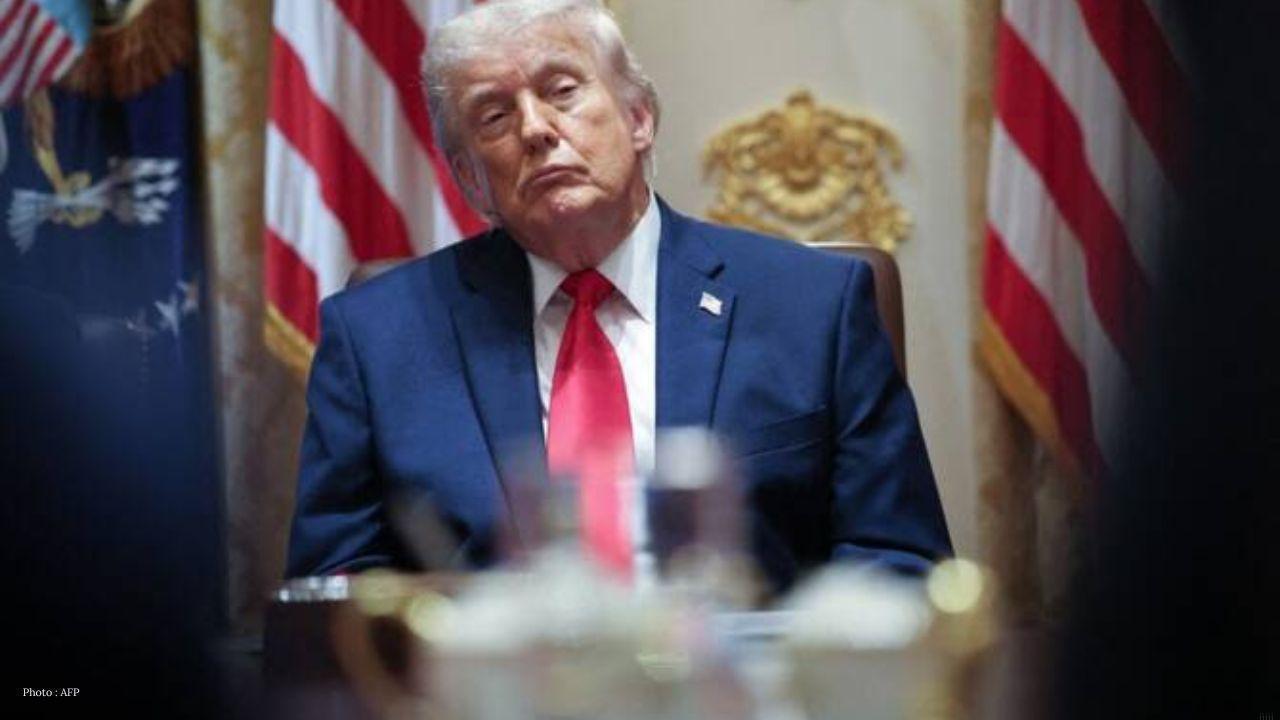
This latest disagreement unfolds during a significant diplomatic phase, as U.S. President Donald Trump is anticipated to meet with Chinese President Xi Jinping later this month. Observers believe that discussions regarding the sanctions and energy trade tensions could surface in the broader dialogue between these global powers.


 English