Post by : Mariam
Al-Faris
Photo: WAM
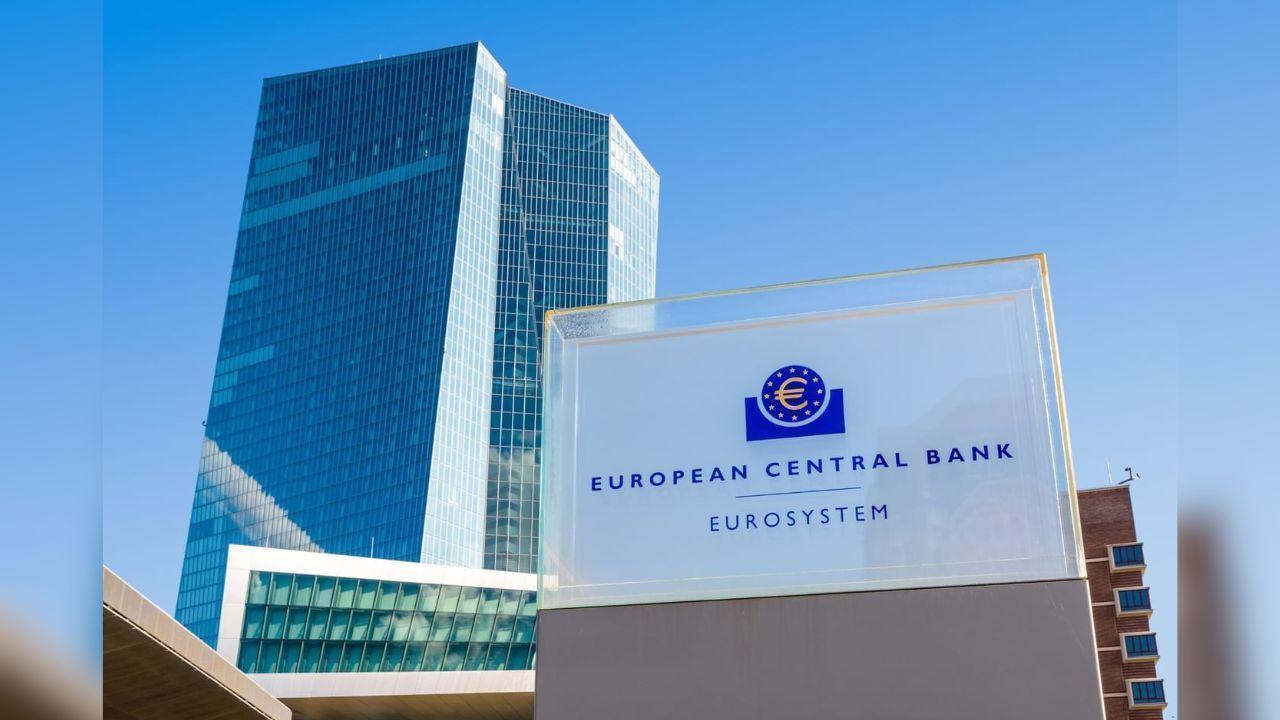
Economists have warned that climate disasters such as droughts, wildfires, floods, and storms could cause significant damage to the economy of the eurozone, potentially slashing up to 5% off its GDP by 2030. The warning comes from a blog post published by the European Central Bank (ECB), which discussed how climate-related risks could affect the region's economy in the near future.
What Are the Potential Effects of Climate Disasters?
The economists' analysis suggests that the eurozone might not only face economic challenges from natural disasters occurring within its borders but also from those happening abroad. Climate-related events in other parts of the world could disrupt global supply chains, affecting businesses in the eurozone.
These kinds of climate disasters would likely have a huge impact, with potential losses that could be as severe as the economic downturn seen during the Global Financial Crisis of 2008. The blog post emphasizes that climate change is no longer just a future concern but has become a current and pressing danger.
Modeling Climate Risks: What Could Happen?
The economic modeling behind these predictions comes from the Network for Greening the Financial System (NGFS), a global coalition that includes more than 140 central banks and financial regulators. This group works to promote better management of climate risks within the financial sector.
According to the NGFS, while this scenario is not a precise forecast, it serves as a serious warning of what could happen in the next five years. The modeling used by the NGFS includes weather events that are expected to happen roughly once every 50 years but that could become more frequent due to climate change.
The economists specifically looked at two different scenarios: one where climate policies do not improve (called "Disasters and Policy Stagnation") and one where climate action succeeds in reducing emissions (referred to as "Highway to Paris").
The Worst-Case Scenario: Disasters and Policy Stagnation
In the most severe scenario, which imagines a future where there is little progress on climate policies, Europe would experience a series of extreme climate events starting as early as 2026. This would include waves of intense heat, droughts, and wildfires. At the same time, the region would also face heavy floods and destructive storms. These natural disasters could hit Europe one after the other, making it extremely difficult for governments and businesses to recover from one disaster before another strikes.
The economic damage caused by these events could be massive, especially when considering how severe these events would be. Not only would Europe face the immediate destruction of homes, infrastructure, and businesses, but the long-term effects would also hurt economic growth. Supply chains could be interrupted, and businesses might have to close or reduce their operations, leading to job losses and slower economic recovery.
The Optimistic Path: Highway to Paris
On the other hand, there is a more optimistic scenario called "Highway to Paris." This scenario refers to the 2015 Paris Agreement, a global pact that aims to limit global warming and reduce carbon emissions. If Europe successfully follows this path and implements the necessary climate policies, it could avoid the worst effects of climate change.
In this scenario, Europe would still face some challenges, such as transition costs related to moving away from fossil fuels and toward cleaner energy sources. However, the impact on economic growth would be minimal. By making the right investments in green technology and sustainable practices, Europe could continue to grow without being severely affected by climate disasters.
What Does This Mean for the Eurozone?
The ECB's warning highlights the urgent need for stronger action on climate change. It’s clear that the eurozone’s economy could be at risk if climate disasters become more frequent and intense. To avoid the worst-case scenario, European leaders will need to adopt policies that reduce emissions and help the region adapt to the changing climate.
Governments will need to take steps to protect infrastructure, reduce their reliance on fossil fuels, and invest in clean energy technologies. At the same time, businesses must be prepared to adapt to the risks posed by climate change, whether it’s through changing how they operate or by investing in resilience measures.
The Role of the Financial Sector
The NGFS has also emphasized the role of the financial sector in managing climate risks. By integrating climate change into financial decision-making, banks and investors can help ensure that the region’s economy remains stable even as the effects of climate change become more evident. This includes encouraging investment in sustainable businesses and projects that help reduce the carbon footprint of the economy.
The financial sector’s role will also be crucial in helping businesses and governments manage the costs of adapting to climate change. As the risks of climate-related disasters grow, so too will the need for financial products and services that support resilience and sustainable development.
Taking Action to Protect the Economy
The warning from the ECB and the NGFS serves as a wake-up call for Europe. Climate change is no longer just an environmental issue; it’s an economic one too. By acting now, European leaders can avoid the worst impacts and ensure that the eurozone remains resilient in the face of future climate-related challenges.
With the right policies in place, Europe can reduce the risks posed by climate change and continue to grow in a sustainable way. However, if action is delayed, the region could face serious economic consequences that will be difficult to recover from. The time to act is now, and it’s up to governments, businesses, and financial institutions to take responsibility for addressing climate risks and securing a better future for the economy.


 English