Post by : Anis
Al-Rashid
Why the Mindset of “I’ll Save Later” Can Cost You
When finances are constrained, the idea of saving can seem improbable. With expenses like rent, groceries, and bills piling up, immediate survival takes precedence. However, the truth is that emergencies don't wait for paydays.
In the face of unexpected job loss, medical expenses, or urgent repairs, the absence of an emergency fund can transform manageable challenges into insurmountable crises.
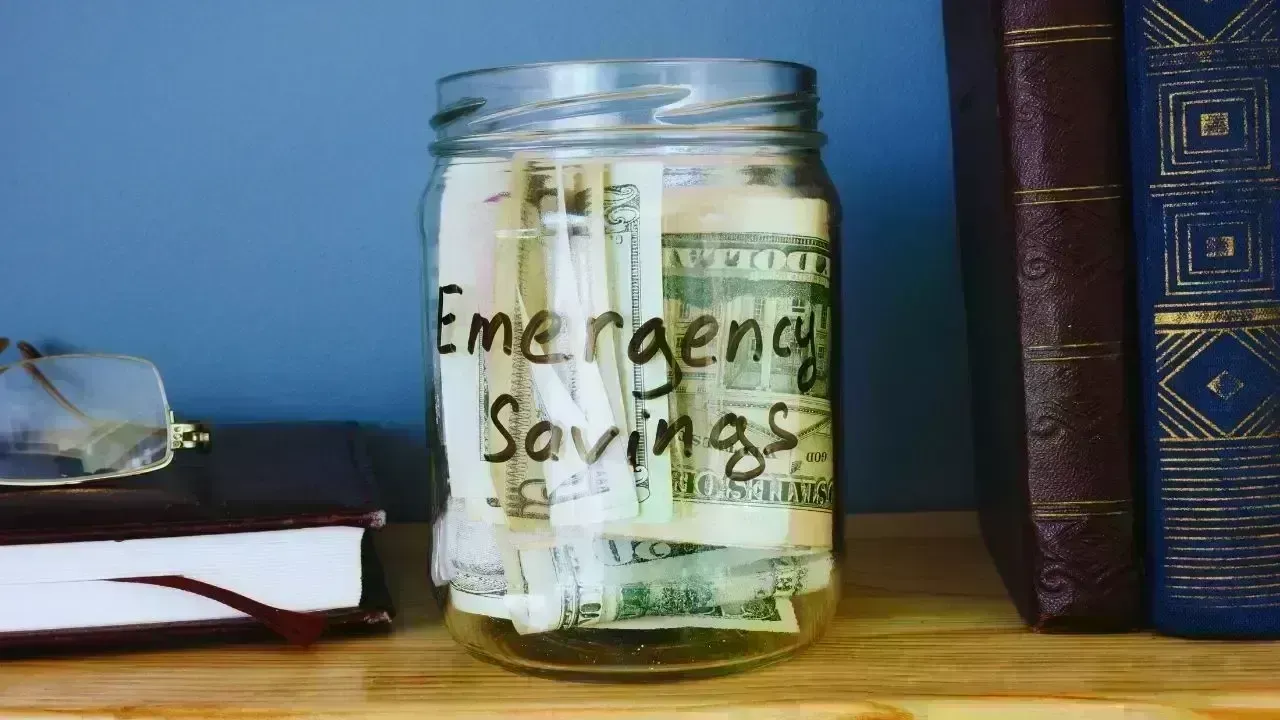
An emergency fund isn't about wealth; it's about creating stability.
And this stability offers a freedom you can work toward.
Understanding the Nature of Emergency Funds
Not an Investment Vehicle
Your emergency fund isn't intended for rapid growth. It should be:
Easily accessible
Secure
As liquid as possible
Free of stress
Reliability is what matters, not fancy financial products.
It’s Essential
This fund protects you from:
Without a safety net, the cost of survival escalates.
What’s the Right Amount?
Start Small, But Steady
Forget overwhelming targets like six months of salary; these can discourage you. Begin with:
If your monthly expenses are ₹20,000, set your first target at ₹20,000—not ₹1 lakh or ₹2 lakh.
Why a Year is Ideal
Sustainable Saving is Key
A twelve-month timeframe is realistic. Crafting a saving habit should enable you to:
Consistent, small contributions can yield significant results over time.
₹1,500 a month accumulates to ₹18,000 in a year,
₹2,000 results in ₹24,000,
and ₹3,000 grows to ₹36,000.
The longer timeline often brings unexpected gains rather than immediate pressure.
Step 1: Create a Basic Budget
Differentiate Necessities from Wants
List your core expenses:
Rent
Groceries
Transport
Utilities
Mobile phone bills
Medicine expenses
School fees
These outline your essential monthly costs.
Next, identify non-essentials:
Online shopping
Dining out
Streaming services
Impulse purchases
Leisure activities
Subscription services
The goal isn’t to eliminate enjoyment but to control unnecessary spending.
Step 2: Make Thoughtful Cuts
Identify Areas with Minimal Impact
Saving shouldn't be a painful experience.
Begin with manageable adjustments:
Cancel subscriptions you hardly use
Reduce the amount spent on takeout
Opt for budget-friendly brands
Take advantage of midweek sales
Utilize public transport more frequently
Consider batch cooking to avoid daily food orders
If you dread saving, the habit won’t persist.
Step 3: Prioritize Your Emergency Fund
View It as a Fixed Expense
The common error is thinking,
“I’ll save whatever’s left over.”
Switch that thought. Saving shouldn't be an afterthought; it should come first.
As soon as you receive your paycheck:
This simple shift in mindset can redefine your approach to finances.
Step 4: Leverage Hidden Funds
Utilize Bonuses that Feel Like Windfalls
Consider sources such as:
Cashbacks
Refunds
Bonuses
Tax returns
Gift money
Income from side gigs
Festival bonuses
Redirect these funds directly to your emergency savings.
Step 5: Set Unobtrusive Monthly Goals
Achieving ₹500 Regularly is Better than ₹5,000 Occasionally
If savings feel burdensome:
Lower your target.
If you find that you’re unable to save:
Your initial target was likely too high.
Establishing small, consistent goals fosters motivation and self-assurance.
Practical Saving Targets
Manageable Monthly Goals
₹500 → ₹6,000 annually
₹1,000 → ₹12,000 annually
₹2,000 → ₹24,000 annually
₹3,000 → ₹36,000 annually
Even modest savings can protect you from unexpected costs:
Safety doesn't demand extravagance.
Step 6: Open a Specialized Account
Avoid Temptation by Keeping Funds Separate
Your emergency fund should be:
When money is less exposed, it’s easier not to spend it.
Step 7: Make Withdrawals Difficult
Clearly Define Emergencies
An emergency should include:
Health issues
Loss of employment
Major repairs
Family crises
Travel emergencies
It should NOT be used for:
Sales or deals
Holidays
Upgrading gadgets
Weddings
Festivities
Luxurious items
Only use the fund for situations that threaten your stability.
Step 8: Establish a Mini Emergency Fund
A Dual-Layer Safety Net
Consider creating:
The mini fund can help with:
Safeguard your primary fund like you would your life insurance.
Effective Saving Strategies Despite Stagnant Income
Enhance Behavior, Not Just Income
When salaries don't increase, focus on behavioral changes to boost savings potential:
Freelance work
Weekend jobs
Monetizing skills
Online gigs
Tutoring
Content creation
Consulting services
These part-time opportunities can significantly enhance your financial security.
Automate Savings Wherever Possible
Eliminate the Need for Strong Willpower
Set up:
Unlike human willpower, automation remains reliable.
The Psychology Behind Emergency Funds
Financial Security Alters Mindset
When you have savings, the benefits extend beyond economics:
Better sleep quality
More informed career decisions
A refusal to remain in toxic job situations
Stronger negotiation skills
Decreased anxiety
While money itself doesn’t equate to happiness, it sure alleviates panic.
The Impact of Achieving Your Savings Goal
Relief Transforms Your Perspective
Once your fund is established:
Fear of bad news dissipates,
Concerns about pay delays lessen,
And the compulsion to borrow fades away.
You’ll discover a confidence you didn't anticipate.
Don’t Shame Your Setbacks
Slip-Up? Reset for the Next Month
No saving journey is flawless.
One missed milestone shouldn't derail your plans.
Every month represents a fresh opportunity to
“Start Again.”
Excuses That Impede Progress
“I’ll Save Once I Earn More”
Most people don’t begin saving only after receiving a raise; lifestyle typically swells first.
“My Salary is Too Low”
Even if income is limited, it is crucial to recognize the heightened risks of emergencies.
“What’s the Use? It Won’t Be Sufficient”
Even a small safeguard is better than having none at all.
A Year from Now vs. Today
Which Discomfort Will You Endure?
Consider the pain of saving:
Mild
Manageable
Temporary
Now think of the pain of no savings:
Abrupt
Intense
Long-lasting
The choice is yours.
How Emergency Funds Alter Decision-Making
Financial Freedom is Empowering
With savings, you’ll find yourself:
Conversely, without a safety net:
Emergency Fund vs. Investments
Prioritize Sequence
Investing should only occur once you have built a foundational emergency fund.
Your emergency fund is your safety net.
Investing without that safety is akin to gambling.
Next Steps After the First Year
Embed Savings into Your Lifestyle
Post-year one:
The first year ensures security.
The second year fosters growth.
A Simple Monthly Action Plan
A One-Page Guideline
Months 1–3: Gather a buffer of ₹5,000–₹10,000
Months 4–8: Reinforce consistency
Months 9–12: Encounter the finish line
Month 12: Commend financial responsibility over hardship
The Final Insight
Your emergency fund shields you from unforeseen dilemmas.
It's designed for the unexpected.
Conclusion: You Don't Require a Raise, Just a Strategy
Saving isn't an act of genius.
It’s a matter of habit.
It symbolizes discipline.
It signifies the refusal to let desperation dictate your life.
In a year's time, you can become:
Less anxious
More independent
Increased confidence
Financially equipped
Or you could remain exactly where you are, just older.
Take the first step.
Initiate today.
Your future self will undoubtedly thank you.
Disclaimer:
This article serves educational purposes and is not financial advice. Individual financial situations differ. Seek advice from qualified financial professionals for significant decisions.


 English