Post by : Mariam
Al-Faris
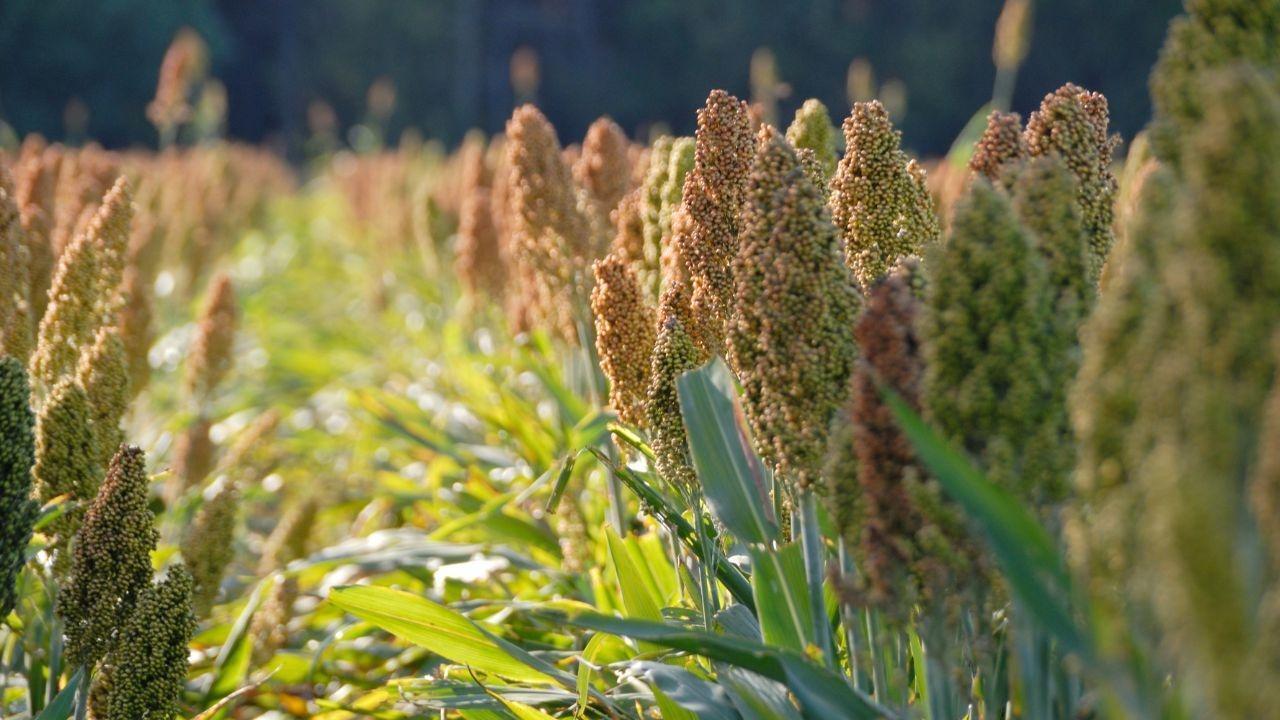
The cultivation of “Marbi,” a variety of sorghum tailored for arid regions, is expanding in the Najran Region. This drought-resistant crop is increasingly popular among farmers for its ability to flourish with minimal rainfall and limited water supply. The rise in Marbi cultivation indicates a greater focus on sustainable and productive crops amid challenging environmental conditions.
Marbi exists in two key varieties: white and red, and is categorized as a summer crop. Farmers generally start planting it at the beginning of the rainy season, with the first harvest ready by late autumn. This timing allows the crop to take advantage of seasonal rains while maturing during the hotter months, serving as a reliable source of food and fodder for local communities and their livestock.
In Najran, Marbi is favored for its robust foliage and tall stalks, which help retain soil moisture, reducing irrigation needs. In water-scarce areas, this trait makes Marbi a beneficial crop, sustaining agricultural productivity while conserving crucial water resources. Additionally, its dense canopy is effective for reducing soil erosion, supporting environmental conservation efforts.
Farmer Dalama Haider shared that Marbi has been integral to Najran's agricultural heritage for decades. He emphasized that its rapid growth and nutritious feed capabilities have been vital for the agricultural and livestock sectors. The entire plant is suitable for animal consumption, which is especially advantageous for farmers raising cattle, sheep, and goats that depend on quality fodder for optimal animal health.
Marbi’s hardiness during drought conditions makes it a crucial crop for ensuring food security in the Najran Region. Farmers report its resilience even in dry spells, thus providing a consistent fodder source when other crops may falter. Furthermore, its low maintenance demands enable local communities to invest less in irrigation and fertilizers while achieving good yields.
The rise in Marbi farming aligns with broader agricultural trends in the region, where farmers are gravitating toward both environmentally sound and economically viable crops. Cultivating Marbi allows them to meet the demands of livestock owners and contribute to the preservation of soil and water resources. The crop’s deep-rooted presence in the region exemplifies the blend of traditional farming knowledge with modern practices for sustained productivity.
Marbi sorghum has established itself as a model for sustainable farming in Najran. Its contribution to livestock nutrition, soil preservation, and adaptability to dry environments underscores its value for farmers and the agricultural community at large. As the demand for Marbi increases, Najran farmers stand well-positioned to reap its benefits, ensuring the continued relevance of this traditional crop in the region’s agricultural framework.


 English