Post by : Saif
Al-Najjar
In light of escalating tensions with Iran, the United States has ramped up its diplomatic engagement with key allies. Secretary of State Marco Rubio has been holding crucial discussions with officials from the United Kingdom and Australia, aimed at addressing the complex issues in the Gulf region. Central to these talks is the urgent need to ensure freedom of navigation in the Strait of Hormuz, a critical artery for global oil and gas supplies.
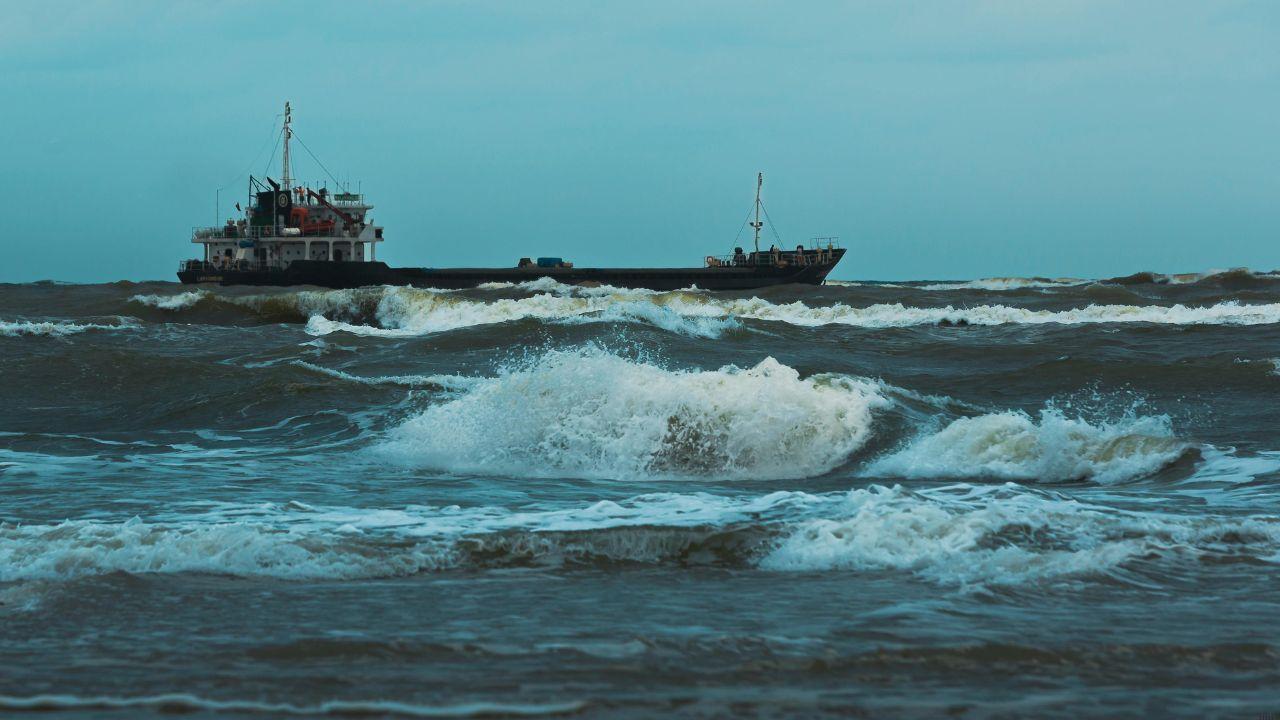
The Strait of Hormuz is a narrow channel that lies between Iran and Oman, yet it is responsible for roughly one-fifth of the world's oil shipments. Disruptions in this vital route could have dire consequences for global energy markets and economic stability. Recently, there has been a notable increase in concerns regarding potential conflict, given the heightened tensions between the US and Iran.
Post-discussion statements reveal that the United States is actively addressing ongoing efforts to safeguard navigation in this strategic waterway, indicating a serious concern about threats to international shipping. The US aims to unify its allies to mitigate the risk of an escalated crisis.
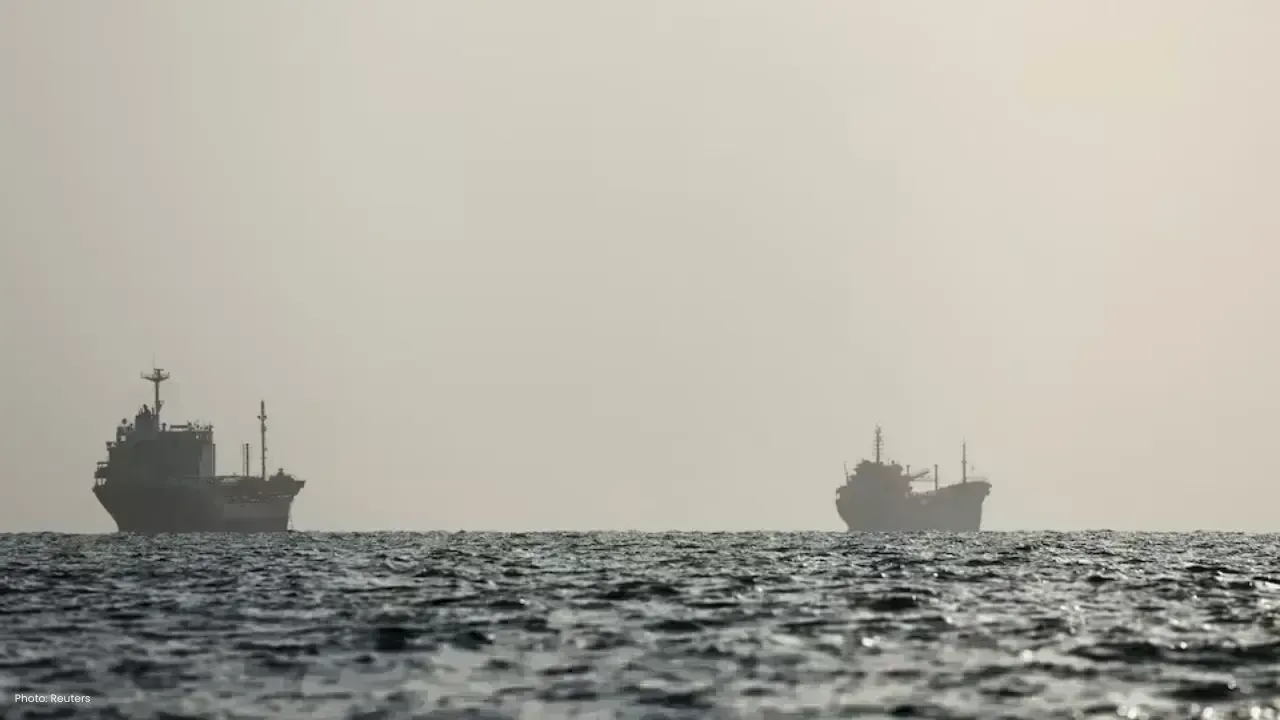
Reports indicate a significant slowdown in shipping traffic through the Strait. Oil tankers and cargo vessels increasingly face threats stemming from military tensions, prompting some vessels to deactivate their tracking systems to avoid drawing attention.
This crisis poses challenges to global oil markets, with rising prices reflecting fears of potential supply disruptions should the Strait become inaccessible. Experts warn that even a temporary closure could lead to one of the most severe energy supply crises in recent times, prompting close observation from oil-importing nations.
The US is working to develop international consensus on keeping the Strait open, with Britain and Australia playing key roles due to their robust naval partnerships. These recent discussions underscore US efforts to enhance coordination with allies before the situation deteriorates further.
Simultaneously, diplomatic avenues for de-escalating tensions with Iran appear tenuous. Reports indicate that negotiations are stagnating, with US officials criticizing Iran's responses to proposed peace talks and Iranian leaders insisting on sanctions relief and acknowledgment of their regional influence.
The ramifications of this crisis extend far beyond the Middle East, impacting financial markets globally, pressuring oil-importing nations, and causing currency fluctuations due to heightened fuel costs. In India, for instance, the rupee has recently dropped to historic lows amid fears of rising crude prices associated with these tensions.
Many experts now view the Strait of Hormuz as the focal point of a larger global power conflict that transcends the US-Iran dynamic. The geopolitical implications also engage major economies, including China and various European nations, all of which rely on stable shipping routes and energy access.
The rising tensions are raising alarms about the potential for military confrontation. Various reports highlight significant military movements and missile threats in proximity to the Gulf region. Despite ongoing calls for diplomatic solutions, the probability of misunderstandings or sudden escalations remains significant.
To observers worldwide, the situation may seem distant, yet its impacts can be immediate. Increased oil prices typically lead to greater transportation and food expenses, reinforcing inflationary pressures. Developing nations, especially, can find themselves most vulnerable to such global energy market shocks, prompting governments to advocate for restraint from all parties to prevent further deterioration of the situation.
Ultimately, the recent diplomatic conversations between the US, UK, and Australia reflect a growing concern for Gulf region stability. As negotiations continue, the fate of shipping activities in the Strait of Hormuz hangs in the balance, with crucial days ahead that will define whether peaceful resolutions can defuse tensions or if the area is on the brink of another major crisis.


 English