Post by : Bianca
Haleem
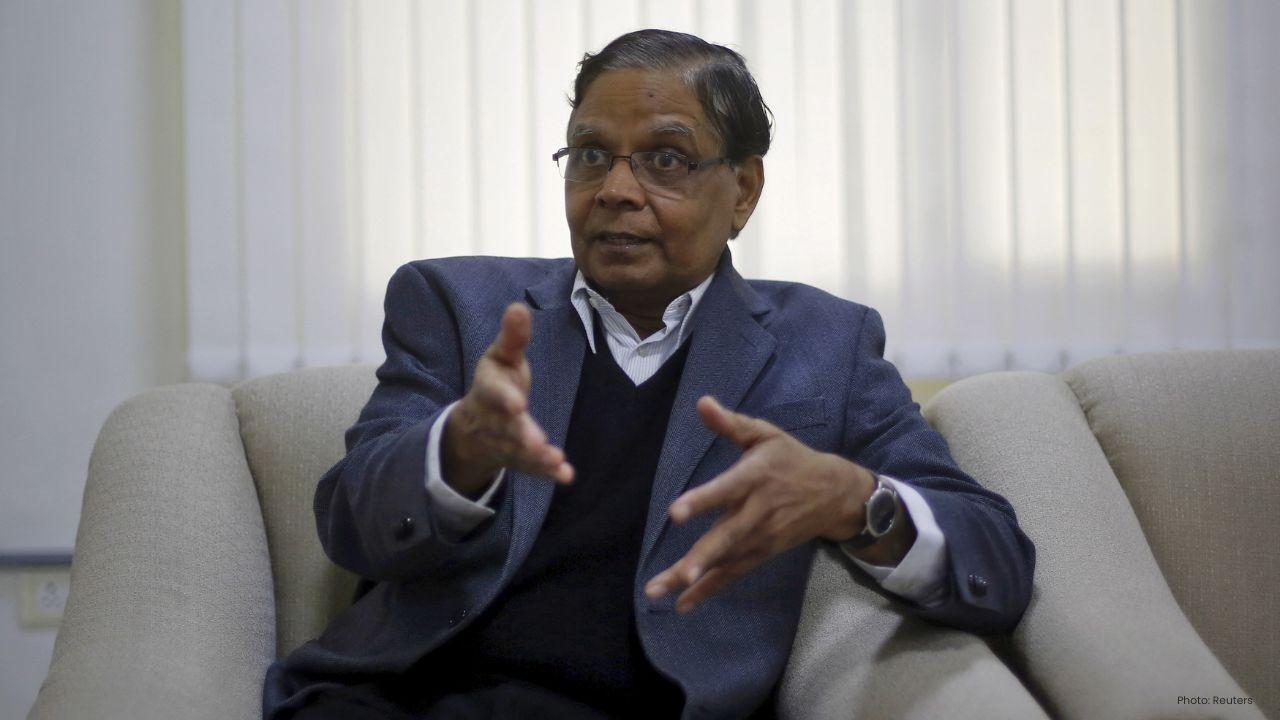
New Delhi: Marking a crucial step in India’s fiscal framework for the upcoming five years, the 16th Finance Commission, under the leadership of Dr. Arvind Panagariya, has submitted its report for 2026-31 to President Droupadi Murmu on Monday. This report, set to be introduced in Parliament before its formal publication, details essential recommendations for the distribution of central funds to states from 2026-27 to 2030-31.
The Commission’s responsibilities include key issues, such as the allocation of net proceeds from central taxes to states, grants-in-aid, strategies for disaster management funding, and measures to ensure fiscal stability in different regions.
Significant Recommendations and State Expectations
While the specifics of the recommendations are yet to be unveiled, states have already expressed their aspirations. A majority of states are advocating for an increase in tax devolution from the 41% established by the 15th Finance Commission to as high as 50%, emphasizing the necessity for additional funds to tackle poverty, enhance infrastructure, and boost local economies.
Affluent states such as Tamil Nadu, Maharashtra, Karnataka, Telangana, and Gujarat have reiterated their significant contributions to national revenues, pushing for modifications in the fiscal formula that reconciles GDP contributions with developmental priorities. Tamil Nadu, for instance, has proposed a 15% weighting for GDP while advocating a reduction in the “income distance” benchmark that currently benefits poorer states. Maharashtra has also suggested a drop to 37.5%.
In contrast, mountainous and border states like Himachal Pradesh, Uttarakhand, Jammu and Kashmir, and northeastern regions have raised concerns about the high costs associated with governance in challenging environments and the frequency of natural disasters. They have requested greater fiscal latitude and customized support for disaster-prone regions.
Preparedness for Disasters and Borrowing Flexibility
With recurring floods, cyclones, and other climate-induced events revealing the fiscal weaknesses of numerous states, the current policies allow borrowing up to 3% of a state’s gross domestic product (GSDP), with an added 0.5% for those meeting reform standards. Many states are arguing that these limitations hamper their ability to renovate infrastructure or address climate vulnerabilities, advocating for a more resilient framework in the upcoming recommendations from the Commission.
Equity in Development and Contribution
A significant conversation has emerged among states surrounding the equilibrium between financial contributions and growing needs. While more developed states are pushing for a just share relative to their tax inputs, less prosperous states rely on support to mitigate historical and geographical challenges. The 16th Finance Commission will need to navigate this complex landscape while fostering equitable growth and fiscal responsibility.
As anticipation builds for the report’s public unveiling, it promises to serve as a detailed guide for central-state fiscal relationships, disaster financing, and promoting balanced development across India’s varied regions.


 English