Post by : Anis
Al-Rashid
Indian travellers have long yearned for the freedom of unplanned jaunts abroad, yet faced barriers like lengthy visa processes, financial documentation, and tedious embassy queues. Often, trips were determined by visa complexities rather than wanderlust. Families might opt for local retreats over European escapes due to paperwork; students could forfeit international study chances due to visa availability; even newlyweds sometimes altered honeymoon plans at the last minute because of visa delays.
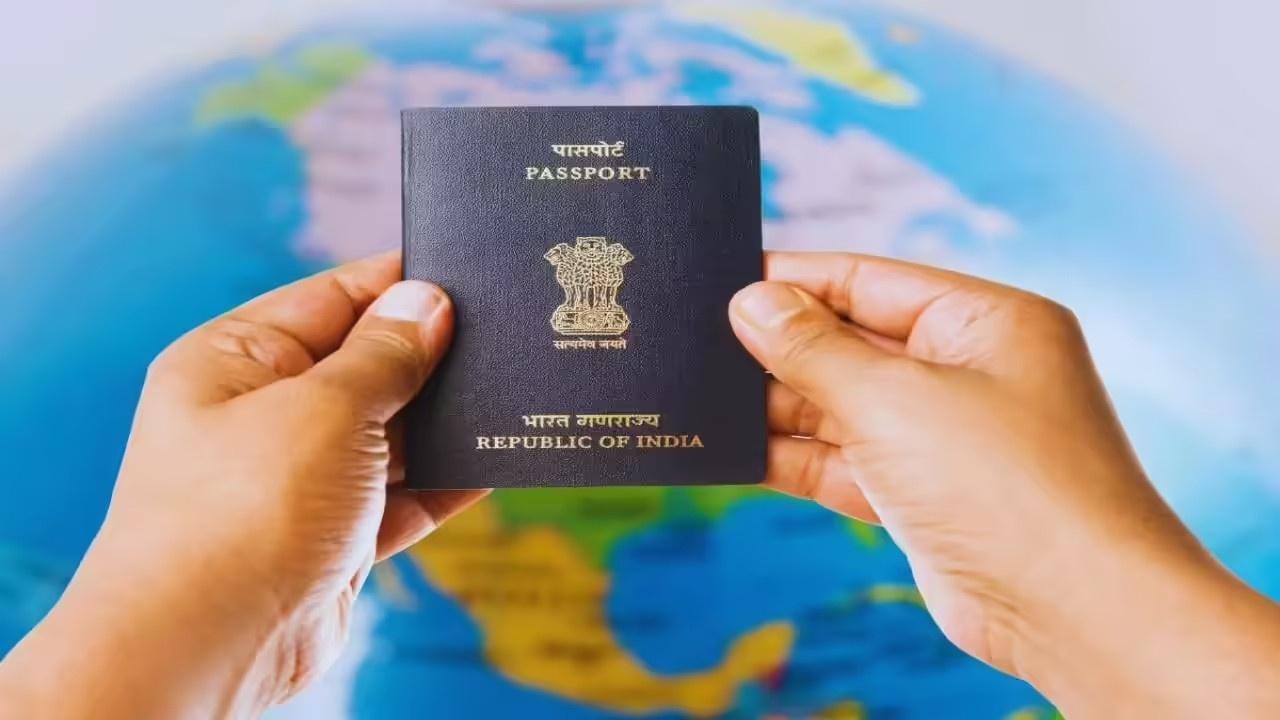
However, this scenario is shifting. The Indian passport is experiencing a surge in recognition, leading to many nations welcoming Indian citizens with more relaxed entry rules in 2025. Increasingly, countries are dropping the need for pre-approval visas, offering visa-on-arrival or straightforward electronic travel authorizations that simplify cross-border travel.
The implications are significant. This transition is not only about convenience but symbolizes India's burgeoning economy, enhanced diplomatic influence, and the rising importance of Indian travellers in global tourism. From Bali to the Greek islands, Indian visitors are transforming the tourism landscape, making the world feel more accessible with fewer barriers.
This newfound freedom has sparked a shift in travel patterns. Rather than planning months ahead, many are seizing the opportunity for spontaneous getaways to unique locales, indulging in quick international trips over long weekends. Young professionals are prioritizing travel, families are planning global vacations, and retirees are exploring their bucket lists sooner. The world is now perceived not as a distant land but as an open invitation.
Why More Nations Are Welcoming Indian Travellers
India’s Improving Global Standing
India's rapid economic growth, flourishing startup ecosystem, and expanding global workforce presence make it a crucial player in tourism and trade. Countries are keen to engage with this growing market, understanding the economic benefits that come with easier access.
Booming Outbound Tourism Market
Indian tourists form one of the fastest-growing demographics globally. With an increased appetite for travel and significant spending power, many countries are strategically welcoming Indian visitors as a way to rejuvenate tourism.
Technological Advances in Border Management
Modernized immigration frameworks, digital security protocols, and automated visa systems are streamlining visitor approvals without the traditional hassle of paperwork, proving that security and efficiency can coexist.
Diplomatic Relations Driving Change
Robust diplomatic ties, bilateral agreements, and educational partnerships are fostering lenient entry requirements, integrating travel facilitation into broader foreign policy initiatives.
New Destinations for Indian Passport Holders
While traditional favorites like Bhutan and Nepal remain accessible, a new wave of destinations is stepping up.
Southeast Asia Opens Up
Southeast Asia has become the prime region for Indian travellers:
-
Thailand has enhanced its entry protocols, leading to surges in Indian tourism.
-
Malaysia is presenting itself as an affordable, culturally rich alternative for visitors.
-
The Philippines has introduced flexible visa-free entitlements, enhancing its appeal.
These nations recognize the booming holiday culture among Indians and are adjusting policies accordingly.
Latin America’s New Accessibility
Though not a customary region for Indian tourists, interest is rising:
This development allows for exploration of South America's rich culture, landscapes, and gastronomy.
Island Nations Embrace Visa Relaxation
Countries in the Caribbean, Pacific, and coastal regions of Africa are increasingly offering lenient entry options for Indians, eager to boost their tourism economies.
Places providing visa-free, e-visa, or visa-on-arrival amenities include idyllic beaches and vibrant cultural experiences, making Indian travel aspirations feasible.
Convenient Access to the Middle East
As Gulf nations expand their tourism infrastructure, they’re also easing entry for Indian nationals, appealing to Indian tourists with quick flights and luxurious hospitality.
Transformations in Indian Travel Culture
Spontaneous International Adventures
Once burdened by meticulous planning, now short-notice trips to stunning islands and dynamic Southeast Asian locales are becoming commonplace.
Experience-Driven Travel Choices
Modern travellers are prioritizing memorable experiences rather than rigid itineraries:
-
Snorkeling escapades over shopping trips
-
Stays at coffee plantations rather than urban hotels
-
Yacht excursions and desert evening gazing
-
Cultural tours and local marketplaces
Affordable Global Adventures
Simplified visa procedures minimize planning costs and time, allowing for greater travel flexibility and cost savings.
Digital Nomads on the Rise
Remote workers are now able to enjoy work-travel experiences in visa-friendly locales equipped with co-working spaces and internet access.
International Family Vacations
Parents are now selecting international getaways for their children that were previously seen as unrealistic due to cumbersome paperwork, easing both emotional and financial concerns.
Key Takeaways for Travellers
Visa-Free Isn’t Rule-Free
Entry without a visa often comes with:
-
Limited stay duration
-
Usage restrictions (tourism/business/transit only)
-
Requirements for return tickets and accommodation proof
-
Minimum passport validity rules
-
Financial proof
-
Travel insurance requirements in certain cases
Inadequate preparation can lead to denied entry.
Conditional Visa Freedom
Some countries may only allow entry if travellers possess visas from regions like the US, UK, or Europe—while this simplifies access, it still demands compliance.
Frequent Changes in Visa Policies
Visa regulations are updated often, influenced by global dynamics and security considerations. Always check current entry rules prior to planning your trip.
Risks of Overstaying
Exceeding your allowed duration can lead to fines, removal, or future re-entry bans, emphasizing the importance of adhering to stay limits.
Maximizing Visa-Relaxed Travel Opportunities
Travel Thoughtfully, Not Just Quickly
Ease of transit shouldn’t equate to negligence; diligent planning results in beneficial experiences and hassle-free travel.
Unearth Unique Locales
With visa-free privileges, discover spots off the beaten path:
-
Hidden islands
-
Cultural capitals
-
Wilderness retreats
-
Artistic hubs
-
Untouched coastal towns
Adopt a Multi-Visa Approach
Holding certain global visas can enhance your access to additional countries, enabling broader travel opportunities.
Keep Digital Documentation Handy
While visas might not be needed, having electronic records of reservations, financial proofs, identification, and insurance can facilitate smooth border crossings.
Path Ahead for Indian Global Mobility
Despite advances, there remains room for growth.
-
Numerous prominent destinations still mandate full visas.
-
Long-term stay options are limited.
-
Formal approvals are often still needed for work, residency, and academic travel.
-
The percentage of travel freedom is improving but still trails behind that of passport holders from Western nations.
While the trajectory is hopeful, the landscape continues to evolve.
Prospects for Indian Global Travel
More Nations Likely to Relax Entry Policies
As India solidifies its status as a global economic player and source of tourists, expect more nations to increase accessibility.
Advancements in Digital Passports & Biometric Systems
Paperless systems promise to enhance border control efficiencies.
Growth of Tourism Diplomacy
A surge in tourism-linked partnerships and agreements could lead to improved regional travel options.
Increased Opportunities for Work & Study Abroad
Potential growth in international student exchanges and job mobility through reciprocal visa arrangements.
Final Thoughts
The era of anxious Indian travellers awaiting visa approvals is fading rapidly. What once seemed distant is now within reach. Relaxed entry regulations not only enhance travel logistics but also transform perceptions, inspire ambitions, foster global relationships, and create cultural connections.
With more countries extending a warm welcome to Indian adventurers, this evolution in passport privilege signifies more than mere travel comfort; it symbolizes freedom—freedom to dream, explore, connect, and integrate into the global landscape.
For every ambitious student eyeing a worldwide career, every family crafting holiday memories, every artist seeking inspiration, and every wanderer chasing sunsets abroad—this marks a remarkable beginning.
Prepare your bags wisely.
Travel smart.
Set off ready.
Let the world unfold, border by border.
Disclaimer
This article provides general insights on global travel and visa shifts. Rules and regulations may change unexpectedly. Always confirm current entry requirements through official immigration authorities before planning or undertaking travel.


 English