Post by : Anis
Al-Rashid
Climate Change in the Eastern Himalayas
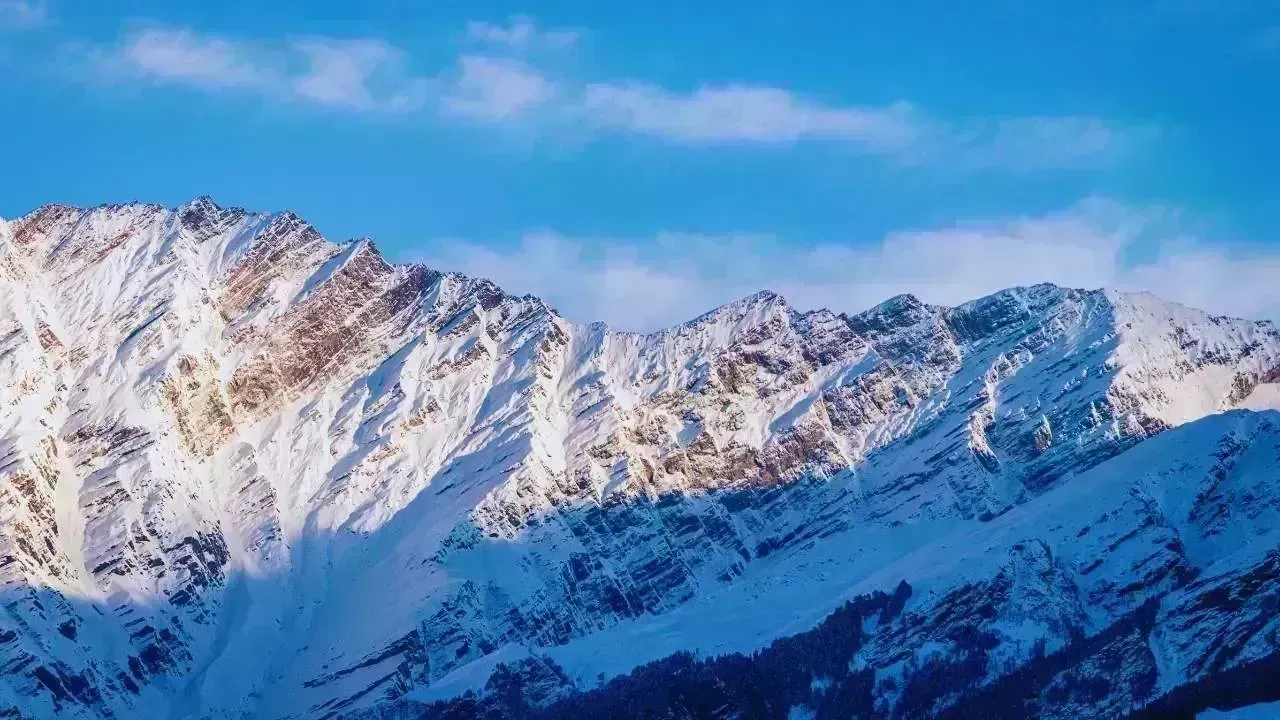
The Eastern Himalayas, once known for their reliable climate, are now undergoing swift changes. Generations enjoyed predictable snowfall and cool summers, but today, the warming atmosphere is causing disruptions.
Temperatures are rising and weather patterns have shifted dramatically. Rains now fall abruptly and with excessive intensity, while springs dry up unpredictably. Glaciers are receding, and villages once considered safe are becoming increasingly vulnerable.
From Sikkim to parts of northern West Bengal and neighboring countries, locals are noticing alarming scientific confirmations: the Eastern Himalayas are experiencing unparalleled warming.
This article delves into how this warming trend is impacting hill town life, the heightened disasters now probable, and the changing disaster maps that reflect a future vastly different from the past.
The Importance of the Eastern Himalayas
These mountains play crucial roles as:
The rivers originating in these mountains sustain millions below. They shape climate and ecology for vast regions of eastern South Asia. Global scientific institutions like the Intergovernmental Panel on Climate Change are keenly observing these escalating changes.
Accelerated Warming Explanations
Increasing Temperatures
Over the past 20 years, there has been a notable rise in average temperatures, especially in winters which are growing shorter, with snowlines shifting to higher ground.
These temperature changes disturb:
-
Ice formations
-
Steadiness of rivers
-
Moisture in the soil
-
Forest ecosystems
Without cold, ecosystems become unstable.
Altered Rainfall Patterns
Rainfall has become more erratic; instead of gradually soaking the land, intense storms now unleash torrents of water.
This shift leads to:
-
Increased flash flooding
-
More frequent landslides
-
Soil erosion
-
Collapsed bridges
-
Surging rivers
Communities are struggling to deal with this unpredictability.
Declining Glaciers and Expanding Glacial Lakes
As glaciers melt more rapidly, the consequences become dire:
The potential for a glacial lake outburst flood is increasingly real; larger lakes heighten the risk of devastating floods.
Infrastructure Designed for Stable Weather
Support Systems Breaking Down
Historically, hill towns were constructed under predictable climate patterns, with designs that can't withstand the new severe conditions. Roads and houses are giving way under quaking earth and heavy rains.
Updating Disaster Responses
Changing Risk Areas
Maps formerly labeled low areas as flood zones but have become outdated. As conditions evolve, so too do the zones of risk.
Now:
-
New landslide hotspots are appearing
-
Flood areas reach into historically safe regions
-
Fire risks spread into previously moist areas
-
Glacier-fed rivers' behavior becomes erratic
Classic hazard designations are losing relevance in this fluid climate.
Revised Maps as Survival Tools
Planners are turning to new technology, employing:
-
Satellite data
-
Studies on rainfall trends
-
Simulations of river behavior
-
Analysis of past landslides
With ongoing scientific collaboration from agencies such as the India Meteorological Department, new maps guide:
New maps have evolved into essential tools for survival in these changing climates.
Water Scarcity on the Horizon
Decline of Springs
Many towns rely on springs instead of rivers, but as warming continues, these sources face severe threats:
Recent warming is reducing absorption of rainfall, resulting in drying springs and leading to:
-
Water rationing practices
-
Dependence on water tanks
-
Conflict arising over water resources
-
Outmigration from vulnerable areas
Water scarcity is altering where and how people live.
Forests Losing Their Resilience
Shifts in Flora
Species unprepared for warmer temperatures may struggle, as invasive plants take root.
Consequences include:
Some forests, which once provided climate stability, have become victims of climate change themselves.
Landslides: A Gradual Threat
Quiet and Deadly
Landslides often occur without warning due to:
-
Soil degradation
-
Saturated earth
-
Deforestation
-
Road excavation
-
Construction activity
With climate warming, these risks become magnified.
Towns are belatedly recognizing that landslides can be fatal through their inevitability rather than a spectacle.
Tourism Under Siege
Climatic Challenges to Tourism
Eastern Himalayan towns greatly rely on tourism activities such as:
-
Home stays
-
Trekking excursions
-
Commuting by road
-
Winter activities
-
Adventure tourism
However, increased landslides and erratic rain:
Climate instability is hurting the livelihoods of many.
Health Risks on the Rise
A Surge in Health Concerns
With warming comes:
-
Increased cases of mosquito-borne diseases in higher elevations
-
Respiratory ailments from wildfire smoke
-
Mental health issues from disaster exposure
-
Diseases from water pollution following flash floods
Many communities are ill-equipped to respond to healthcare emergencies triggered by climate change.
Education at Risk
When:
-
Roadways are compromised
-
Landslides occur
-
Electricity fails
-
Water sources dry up
Children are forced out of school.
Interrupted education represents a silent yet severe casualty of climate chaos, making school attendance increasingly untenable.
Adaptation Strategies for Hill Towns
Innovative Construction Practices
Recent constructions are focusing on:
Traditional methods are being merged with modern engineering.
Relocating to Safer Grounds
Communities are:
-
Moving to higher locations
-
Steering clear of riverbanks
-
Avoiding areas vulnerable to slippage
While it's a tough choice, survival necessitates adaptation.
Emergency Warning Systems
Hill towns are increasingly relying on:
-
Rain alerts
-
Monitoring river levels
-
Community radio updates
-
Siren systems
-
Mobile alerts
Preparedness is key to reducing anxiety.
Community Engagement for Safety
Residents are becoming educated in:
Awareness now plays a vital role in community defense.
The Future of the Eastern Himalayas
If current trends persist, we can expect:
-
Relocation of entire communities
-
Changes in river paths
-
Transformations in forest ecosystems
-
Collapse of the tourism sector
-
Increased migration
The Eastern Himalayas' landscape may undergo radical changes.
A Broader Perspective
Cities and farms downstream are heavily reliant on the stability of the Himalayas.
As the mountains evolve:
-
Cities may experience flooding
-
Dams risk sedimentation
-
Water distribution may alter drastically
-
Agriculture risks decline
What affects the hills reverberates throughout the region.
Steps Towards Resilience
Implementing Stricter Building Standards
Uncontrolled growth exacerbates disaster risks.
Conserving Forest Ecosystems
Trees function as:
-
Thermal regulators
-
Soil protectors
-
Flood mitigators
-
Biodiversity guardians
Deforestation poses a severe risk in warming regions.
Promoting Sustainable Tourism
Visitors should strive to:
Tourism must adapt or risk vanishing.
Choices Ahead for Hill Towns
Options are clear:
In the face of a warming climate, neutrality is not an option.
Conclusion: Evolving Geography
Mountains were once fallible symbols of stability.
As change accelerates, they embody the fluid nature of our environment.
The Eastern Himalayas are warming at a rate that reshapes lives and landscapes. When disaster maps are redrawn, it signifies more than environmental change; it's a transformation of life itself within these communities.
Hill towns are no longer passive; they are actively pursuing safety and sustainability through their adjustments.
New strategies are forming, laying the groundwork for future resilience.
Disclaimer:
This article serves informational purposes and is not a substitute for professional environmental or legal advice. For accurate, localized recommendations, consult relevant authorities.


 English