Post by : Sami
Al-Rahmani
Emerging Tier-2 Cities: Infrastructure Powering the Housing Boom of 2026
As buyers seek affordability and improved lifestyles, Tier-2 cities are rapidly becoming sought-after real estate markets. Unlike the saturated metro areas, these cities are undergoing significant transformations with new infrastructure, smart-city initiatives, and extensive commercial development. This article dives into the reasons behind the surge in Tier-2 locations, the infrastructural changes fueling this boom, and the advantages for investors and homebuyers in the years ahead.
The Allure of Tier-2 Cities
For a long time, metro areas dictated real estate trends, but with surging property costs, traffic issues, and overcrowding, many buyers are turning to Tier-2 alternatives that offer a sweet spot between affordability and modern enhancements.
Key Drivers of the Shift
Affordable housing options
Reduced pollution and traffic congestion
Expanding job market
Enhanced rental yields compared to metro areas
The blend of lower costs and rising income opportunities makes Tier-2 cities attractive for both homebuyers and investors.
Transformative Infrastructure Projects
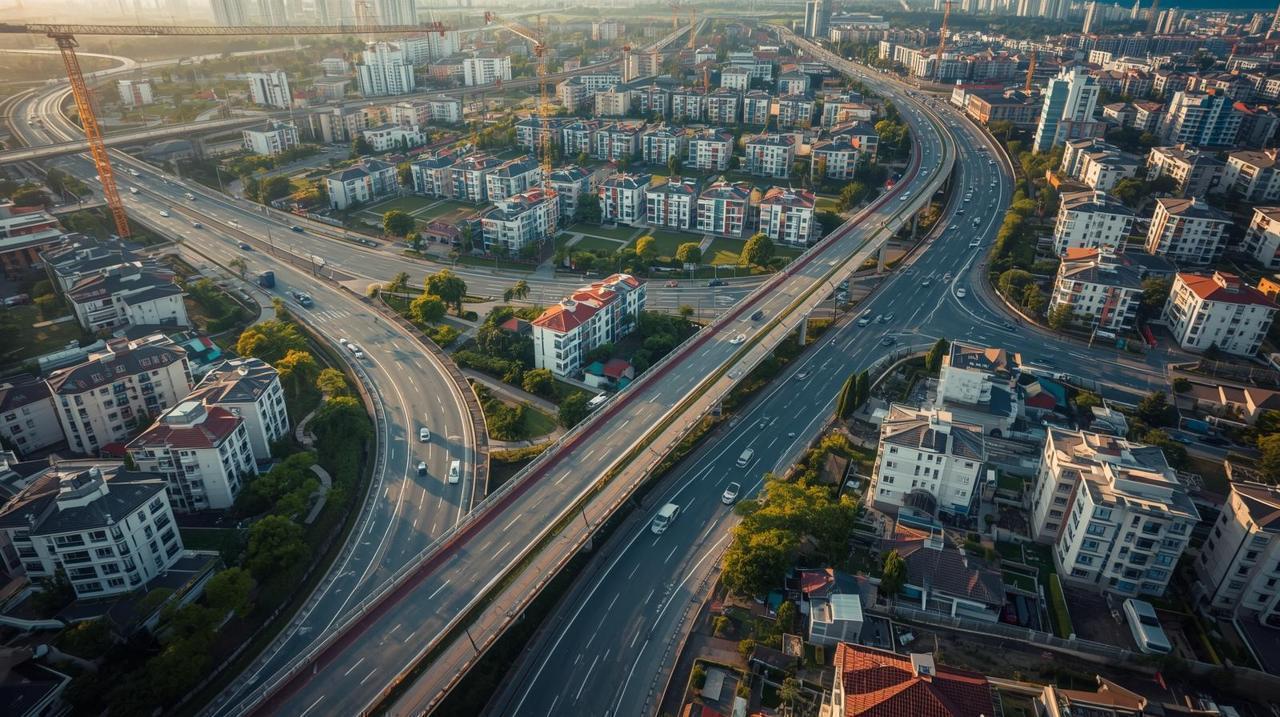
Central to this real estate surge is infrastructure development. As governments channel resources into enhancing roads, airports, metro systems, and industrial zones, Tier-2 cities are emerging as interconnected economic hubs.
Significant Developments Driving Growth
Expansion of national highways
New regional airport routes
Metro systems at city level
Modernizing railways under national connectivity efforts
These improvements facilitate smoother movement of people and goods, enhancing the cities' appeal to industries and residents alike.
Smart City Initiatives Boosting Development
The Smart City initiative has revitalized Tier-2 regions, optimizing urban functionality and progression.
Improvements Across Various Cities
Implementation of digital governance
Sustainable energy initiatives
Innovative waste management solutions
Enhanced water distribution systems
Safer urban environments with smart traffic controls
Such advancements raise the living standards, making these cities increasingly attractive for residents.
Growing Commercial and Industrial Areas
With the rise of new industrial zones, IT parks, and logistics hubs, Tier-2 cities are evolving into key employment centers.
Factors Behind Job Growth
IT firms relocating operations from costly metros
Establishment of industrial corridors
Significant logistics centers prompted by e-commerce
Manufacturing incentives from national policies
As jobs multiply, migration increases, leading to heightened housing demand and organic market growth.
Rising Demand for Affordable Housing
The affordability gap between Tier-2 cities and metros significantly contributes to real estate expansion.
Why Buyers Favor These Areas
Homes are larger and more affordable
Easier loan eligibility with lower property values
Reduced living costs drawing young families
Government incentives further boost housing appeal
This creates an ideal market for first-time homebuyers and investors.
Rise of Modern Townships
Developers are introducing amenities previously exclusive to metro regions, such as clubhouses, parks, security, and smart homes.
Advantages of Contemporary Developments
Planned communities enhance safety
Green spaces promote well-being
Smart home technology increases property value
These features entice working professionals and investors drawn to organized living.
Vibrant Rental Market and Lucrative Returns
Tier-2 cities often offer superior rental yields compared to metros, driven by migration and limited housing supply.
Reasons for High Investor Returns
More affordable prices paired with consistent rental profits
Growing demand from students and migrating professionals
Potential for property appreciation from infrastructure growth
This sets the stage for a more secure investment landscape.
Quality of Life Enhancements
Improvements in lifestyle are compelling many to shift their preferences.
Core Lifestyle Advantages
Reduced noise and traffic
Ample green spaces
Strong community cultures and safer neighborhoods
Better educational, health, and entertainment amenities
These factors solidify Tier-2 cities as desirable living destinations.
Persistent Challenges
Despite the pronounced growth, Tier-2 municipalities still face some hurdles.
Developmental Shortcomings
Public transport gaps in certain areas
Scarcity of premium commercial zones
Variable utility services in specific locales
Nonetheless, ongoing projects are bridging these gaps, signaling a positive growth trajectory.
Looking Ahead: Five-Year Forecast
Tier-2 cities are set for further expansion as infrastructure initiatives conclude.
Anticipated Trends
Appreciation of property values
Entry of reputable developers into these markets
Rise in flexible workspaces
Increased global investments in burgeoning cities
These patterns suggest a sustained real estate boom extending past 2026.
Conclusion
Tier-2 cities are evolving from backup alternatives to prime real estate destinations. With robust infrastructures, higher living standards, and strong economic prospects, they are poised to lead the upcoming housing wave. As connectivity improves and industries flourish, the real estate climate will continue to thrive, offering exceptional opportunities for both short-term and long-term gains.
Disclaimer
This article is meant for informational purposes and does not constitute financial, investment, or legal advice. Real estate conditions vary by region, and buyers should perform thorough research or consult professional advisors before making decisions. The author is not liable for outcomes arising from the information provided.


 English