Post by : Saif
Al-Najjar
The Middle East is experiencing increasing tension as reports emerge that Saudi Arabia secretly carried out military operations inside Iran amid the ongoing regional conflict. A Reuters report, dated May 12, reveals that these covert strikes took place in late March, triggered by missile and drone attacks on Saudi territory linked to the continuing Iran war.
If verified, this marks the first known direct military intervention by Saudi Arabia within Iran’s borders. This development is crucial since Saudi Arabia and Iran are key players in the Middle Eastern landscape. Historically, both nations have tried to expand their influence through various means, including political maneuvers and proxy conflicts. A direct military clash could dramatically alter the power dynamics in the Gulf, potentially leading to a larger regional war.
According to the Reuters report, Saudi Air Force conducted multiple undisclosed operations after Iran and its allied factions launched a series of assaults targeting Saudi facilities. The precise locations of the Saudi strikes have not been revealed. While Saudi officials have not openly confirmed these operations, Iran has yet to issue a formal response to the allegations.
The clandestine attacks coincide with a larger conflict that escalated following recent airstrikes by the United States and Israel on Iran. The resulting tensions have reverberated throughout the Gulf region, with Iran purportedly targeting multiple sectors, including oil establishments, airports, and military installations across several Gulf nations, particularly Saudi Arabia.
Historically, Saudi Arabia has relied on the United States for military defense. However, the ongoing conflict seems to have propelled Riyadh toward a more assertive military stance. Experts suggest that the repeated attacks may have compelled Saudi Arabia to respond proactively to safeguard its oil sector, economic stability, and national security.
Given the Gulf's pivotal role in the global economy, with significant contributions to oil and gas supplies, any hostilities involving Saudi Arabia and Iran could have immediate repercussions on fuel prices, shipping channels, and international commerce. The Strait of Hormuz, a critical passageway for oil transport, is increasingly viewed by Iran as an extension of its military zone, raising alarms about potential disruptions in global energy supplies.
Market reactions have already demonstrated unease due to these tensions, with oil prices surging in response to fears that conflict in the Gulf might impede energy exports. Gulf stock markets have also experienced declines as investor confidence wanes, particularly concerning the feasibility of peace talks between Iran and the United States.
Interestingly, the Reuters report highlights that the Saudi strikes were succeeded by a noticeable drop in direct Iranian assaults against the kingdom. Citing unnamed officials, it indicates that diplomatic communications between Riyadh and Tehran momentarily alleviated some strains, hinting at both parties' acknowledgment of the perils posed by escalating military engagement.
Nonetheless, the situation remains precarious. The Middle East has been marred by instability, given the ongoing conflicts in Yemen, Syria, Iraq, and Lebanon. A military confrontation between Saudi Arabia and Iran could easily entangle other nations, including regional powers like the United Arab Emirates, Qatar, and Bahrain, into the broader conflict.
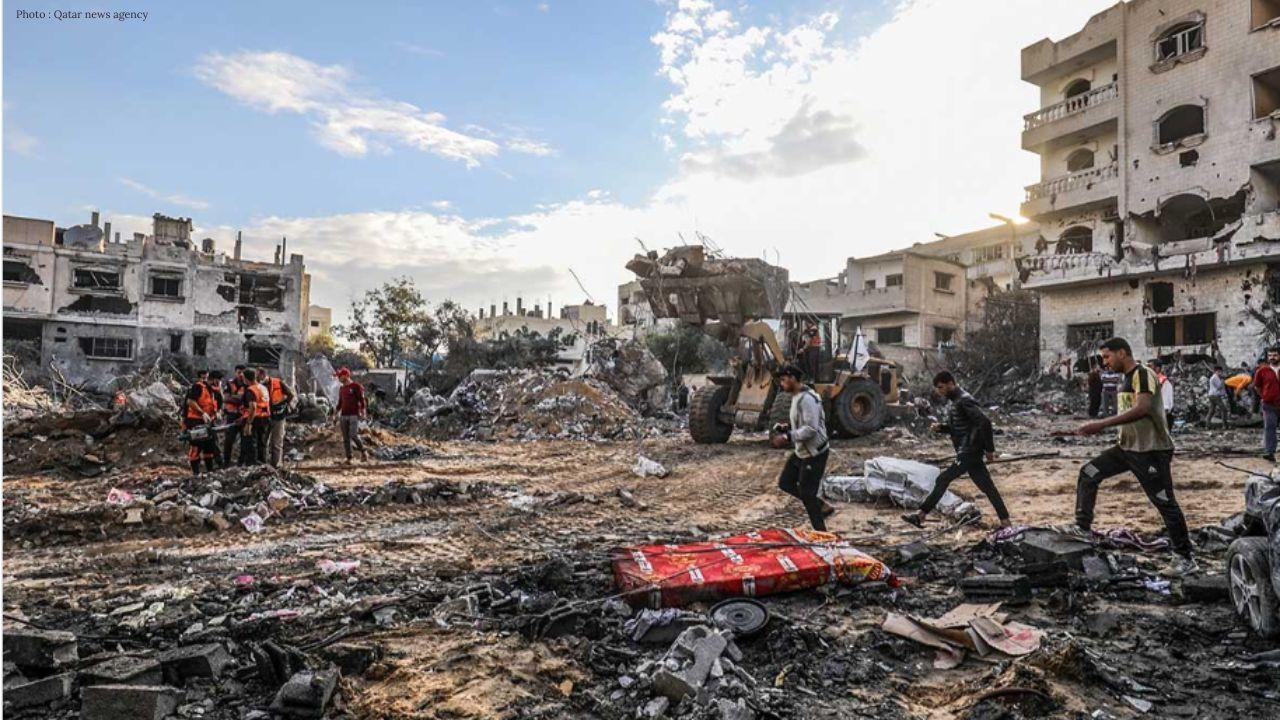
The humanitarian implications of such conflicts are significant. Warfare in the Middle East often leads to civilian casualties, displacement, economic turmoil, and destruction of vital infrastructure. Targeted facilities, ranging from oil plants to airports and power stations, frequently bear the brunt of these skirmishes, leaving ordinary people to bear the heaviest toll.
This situation underscores the trend in modern warfare where conflicts are often conducted covertly or through limited engagement that escapes immediate public scrutiny. Such secrecy complicates understanding the full scale of military interactions and actions occurring behind the scenes.
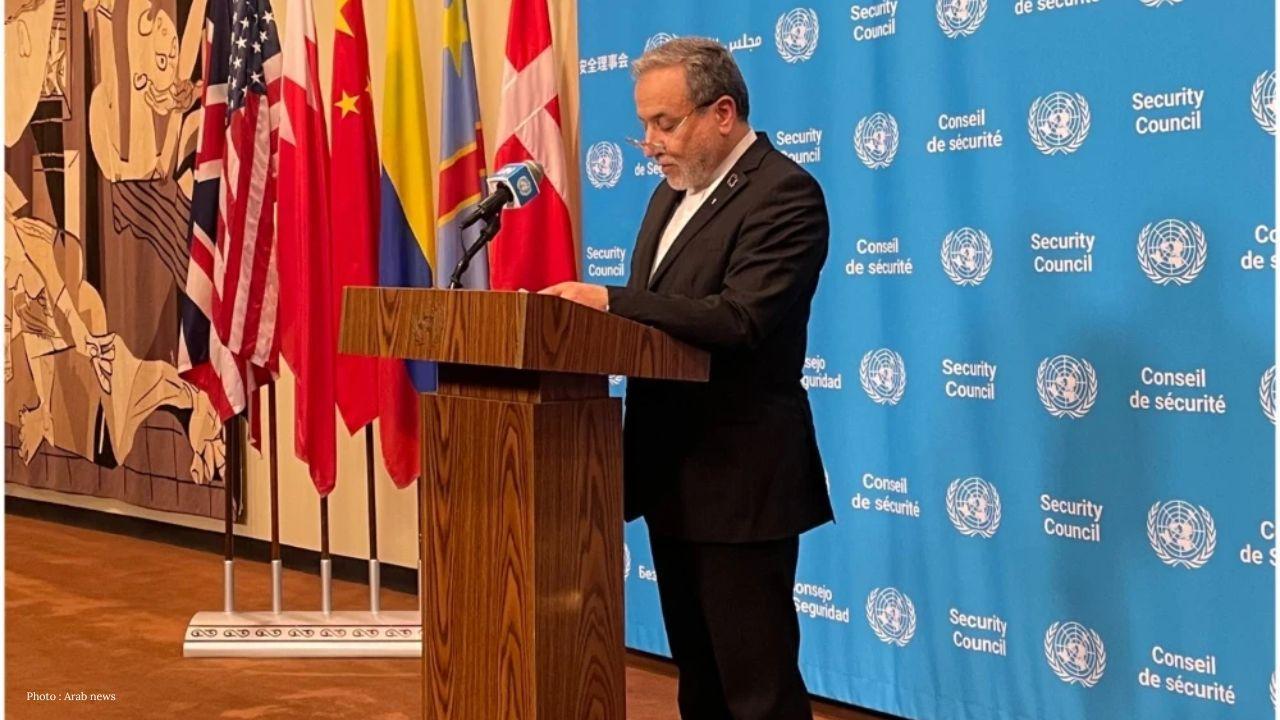
In the face of these developments, diplomatic initiatives are more crucial than ever. Nations worldwide, including major powers, are likely to advocate for tranquility to avert yet another devastating regional conflict. Organizations like the United Nations may intensify calls for discussions and ceasefire agreements.
Yet, trust deficits between Iran and Gulf Arab states persist. Years of rivalry, proxy wars, and political discord have entrenched deep-seated divisions. Even if there is a temporary lull in tensions, the possibility of future confrontations remains high without lasting political resolutions.
These recent reports serve as a stark reminder of the fragile nature of peace in the Middle East. A single military action, drone strike, or miscalculation could easily escalate into a far-reaching conflict. For the global community, the stakes are substantial since instability in the Gulf could significantly impact energy markets, trade flows, and international security beyond the Middle East.


 English