Post by : Saif
Al-Najjar
The ongoing conflict involving the United States, Iran, and Israel is escalating with military strikes and heightened tensions in the Middle East. This situation raises significant concerns over the potential for a larger regional war, which could have profound effects on global security and energy resources.
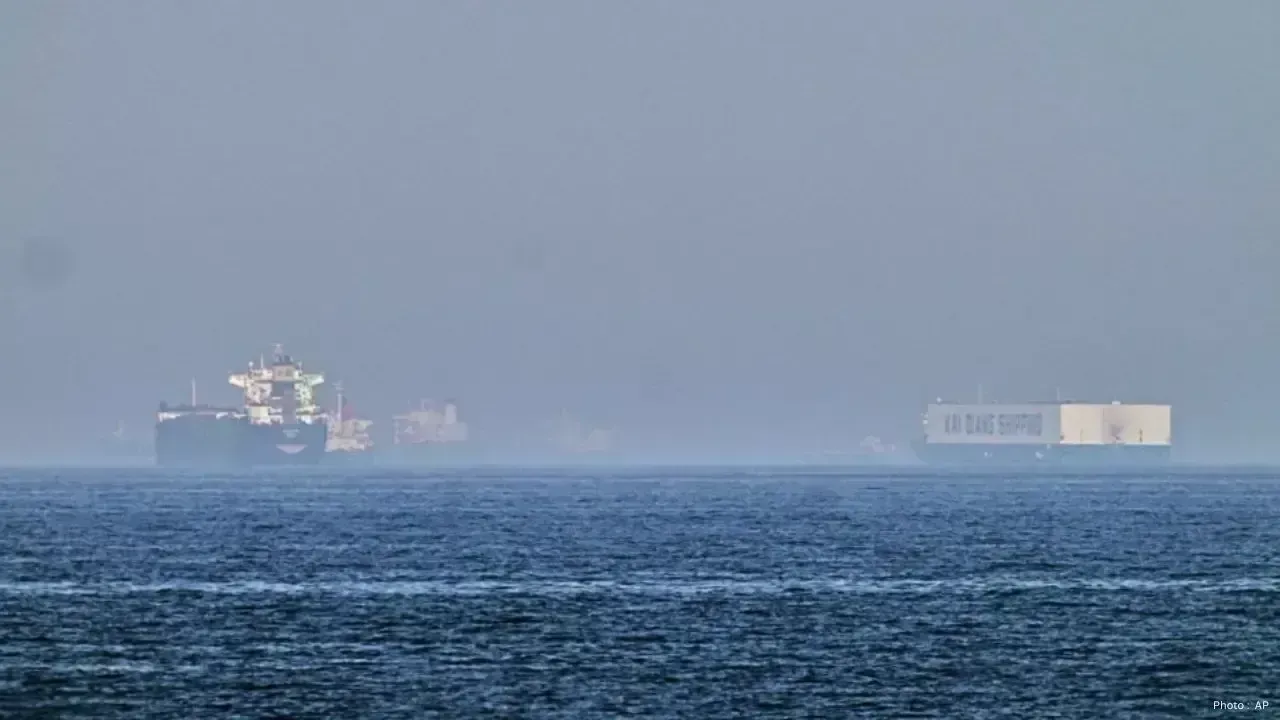
Recent reports indicate that military actions have surged, despite previous ceasefire attempts and peace talks. Incidents have been reported in various locations, particularly around the strategic Strait of Hormuz and the Gulf, where critical shipping lanes are under threat.
The Strait of Hormuz is vital for global oil transportation, with a substantial portion of the world's oil supply flowing through it. Any disruption here could lead to swift changes in fuel prices, trade routes, and economic stability worldwide, underscoring the importance of closely monitoring the ongoing conflict.
The United States and Iran have been locked in a long-standing rivalry over nuclear capabilities and regional dominance, complicating the dynamics with Israel’s military actions against Iranian-affiliated groups in the area.
Recent developments reveal that despite diplomatic initiatives and temporary ceasefires, ground conditions remain precarious. Continued missile strikes, drone engagements, and naval confrontations are reported, casting doubt on the sustainability of peace processes.
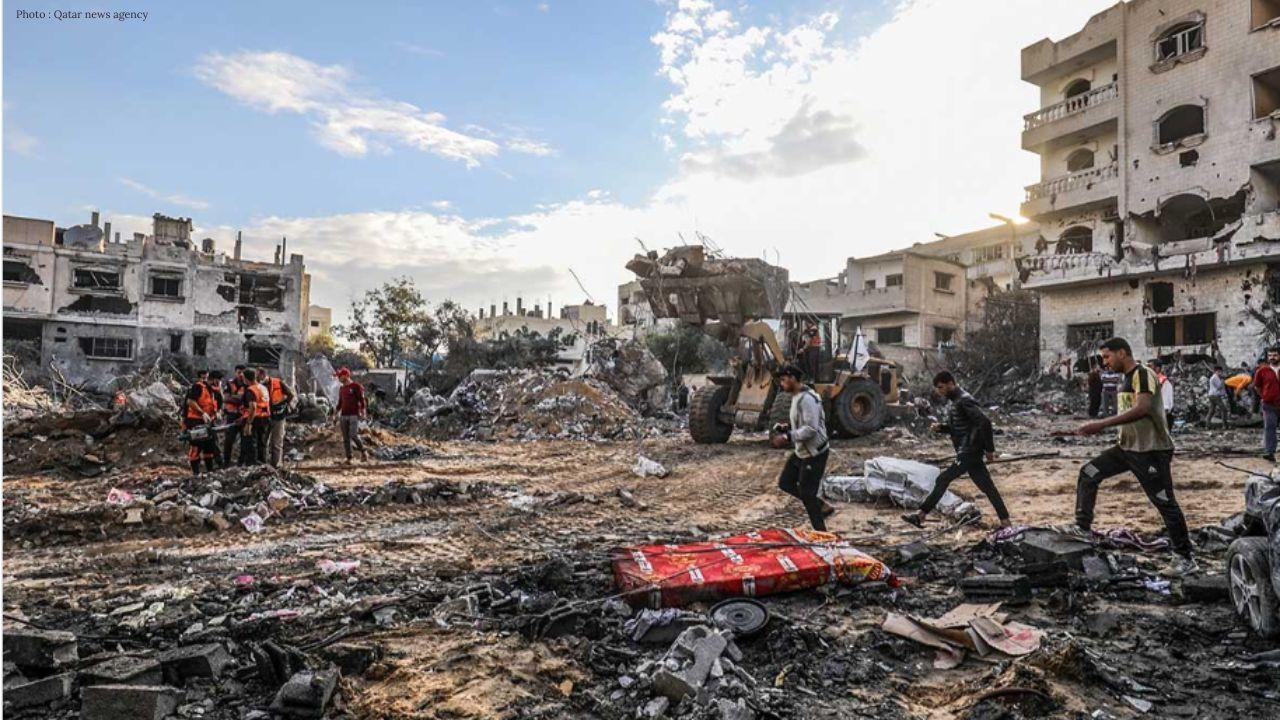
Civilians in conflict-affected zones face increasing dangers, with infrastructure damage, daily life disruptions, and escalating insecurity raising humanitarian alarms. Aid organizations caution that ongoing hostilities could deteriorate conditions for millions in the region.
Global financial markets have reacted sharply to these rising tensions, with oil prices fluctuating significantly due to supply concerns, while shipping entities are altering their routes to evade volatile areas—pointing towards potential inflationary pressures worldwide.
Political analysts warn that the situation highlights a precarious moment in Middle Eastern geopolitics, where various conflicts intersect, further destabilizing the region. The involvement of major world powers complicates the road to sustained peace.
International figures have called for de-escalation and renewed diplomatic engagements; however, mutual distrust persists among the involved countries, each blaming the other for sidelining agreements and inciting hostilities.
The United Nations and several nations advocate immediate measures to de-escalate tensions, safeguard civilians, and ensure safe commercial shipping pathways. Nonetheless, military activities continue unabated.
Experts argue that without tangible progress in diplomatic negotiations, the risk of a broader conflict will only escalate. The Middle East remains a highly sensitive region, where minor incidents can quickly spiral into widespread confrontations.
As the crisis unfolds, global observers are keenly watching whether effective diplomacy can avert further escalations or whether the region risks plunging into a deeper, drawn-out conflict.


 English