Post by : Anis
Al-Rashid
Understanding the eSIM-Only Smartphone Trend
In recent years, eSIM technology has transitioned from a rare feature to a primary standard for a variety of smartphones. Initially seen in select high-end models, this trend has matured into a widespread phenomenon, with major manufacturers launching devices that utilize embedded SIMs exclusively, eliminating physical SIM cards.
This week, numerous countries observed an uptick in eSIM-only device launches and market updates, eliciting discussions around user experience and freedom. Are these new models enhancing the mobile experience or are they imposing limitations on consumer choice?
To grasp the broader implications, we need to consider the global catalysts behind this shift and evaluate both its advantages and challenges.
What Is an eSIM?
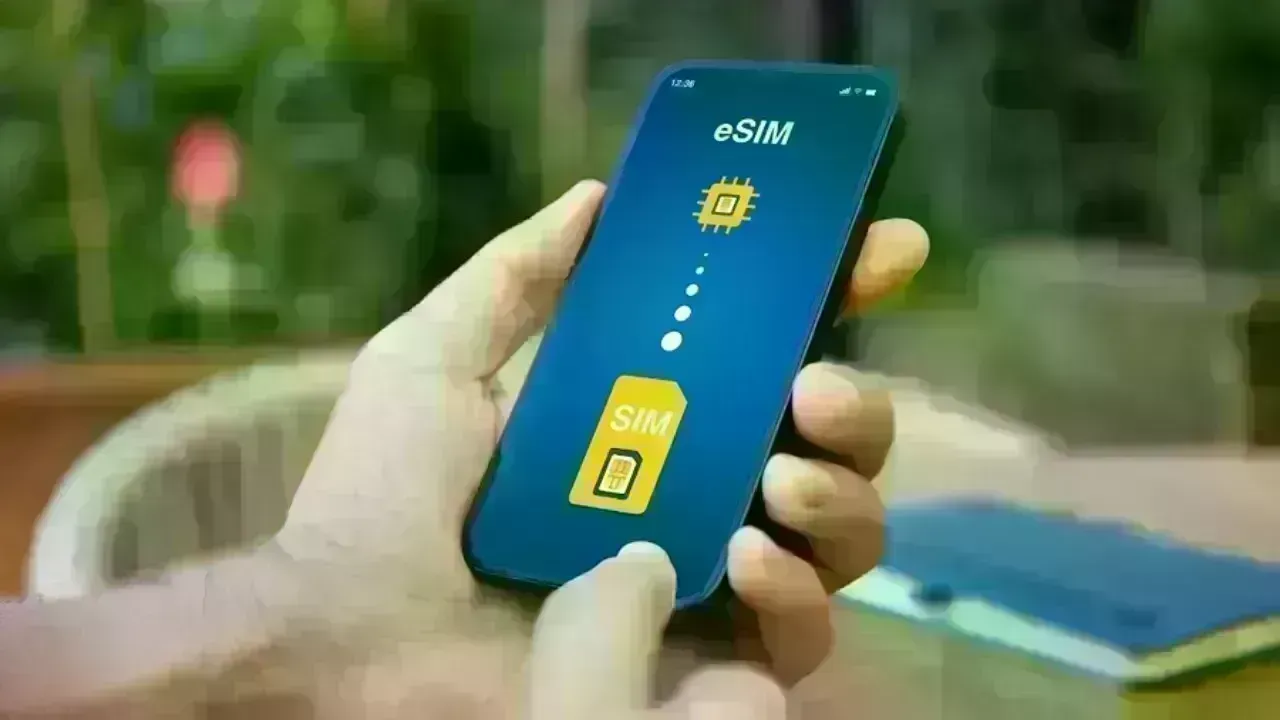
An eSIM, or embedded SIM, is a microchip embedded in the device’s motherboard, enabling digital activation without the need for physical cards.
Notable features include:
-
remote carrier activation
-
multiple profiles available simultaneously
-
absence of a physical SIM tray
-
easy network switching
This technology aims to enhance connectivity by minimizing physical components, at least theoretically.
The Growth of eSIM-Only Devices This Year
Key developments fueling the rise of eSIM-only designs include:
-
increased adoption of eSIM by telecom providers
-
the resurgence of global travel
-
a growing need for dual-network capabilities
-
a push for more compact hardware manufacturing
-
environmental considerations regarding plastic reduction
This year, numerous smartphone models have either launched solely as eSIM variants or strategically shifted focus towards eSIM technology.
What was once a trend confined to select devices has blossomed into a widespread movement impacting the future of mobile communications.
Manufacturers' Motivations for eSIM-Only Devices
The transition to eSIM goes beyond user convenience; manufacturers are driven by various strategic considerations.
Enhanced Design and Space Utilization
Eliminating the SIM tray offers:
-
optimized space for batteries
-
improved water resistance
-
a tidier internal layout
-
more room for antennas
-
sleeker design aesthetics
Every millimeter counts in compact devices, especially in foldable phones and wearables.
Strengthened Security Features
Physical SIMs are vulnerable to:
In contrast, eSIMs are embedded, making unauthorized access considerably tougher. Many manufacturers assert that eSIM-only designs help curtail SIM-swap fraud.
A Streamlined Manufacturing Process
Different global markets utilize various SIM types; omitting the SIM tray simplifies production by:
-
reducing component variations
-
eliminating differences in SKUs
-
simplifying logistics and packaging
Manufacturers can cut costs and boost worldwide consistency.
Advanced Network Capabilities
eSIMs facilitate support for:
Numerous telecom advancements depend on eSIM integration rather than traditional SIM components.
The Push for eSIM by Carriers
Telecom companies also play a crucial role in fostering this transformation.
Longer Customer Lifecycle Management
Digital management of activations allows carriers to deliver:
-
quicker onboarding processes
-
simplified number administration
-
lower distribution expenses
-
reduced manufacturing costs for SIMs
This digital approach also tends to keep customers engaged within their current carrier's ecosystem.
Combating SIM Fraud
With increasing SIM-swap fraud, eSIMs' device-level security offers carriers a way to better shield user identities.
Streamlined Roaming and Travel Benefits
Telecom companies can provide global travelers with:
The digital transformation in travel SIM needs favors carriers equipped with eSIM support.
What Consumers Appreciate About eSIM-Only Smartphones
Despite some skepticism, many users find eSIM functionalities to be advantageous.
Instant Carrier Switches
Users can now change their service providers without visiting a retail location, enabling swift flexibility thanks to rapid profile downloads.
Multiple Profile Management
eSIM-enabled smartphones often allow various network profiles, which is perfect for:
Enhanced Water Protection
Eliminating the SIM tray fortifies the device's structure against dust and water ingress.
No More SIM Card Loss or Damage
eSIM technology removes concerns over:
-
card cutting
-
size mismatches
-
bent trays
-
broken pins
The process becomes fully digital, enhancing user experience.
Reduced Clutter
Consumers eliminate the need for accessories like adapters or spare SIMs.
Concerns and Limitations of eSIM-Only Devices
Despite the advantages, the rise of eSIM-only smartphones has led to significant discontent this month, with criticisms emerging from users and analysts alike.
The conversation encompasses both practical challenges and broader ideological issues.
Limited Carrier Choices in Certain Regions
In areas dominated by carrier monopolies, eSIM-only devices might:
Historically, physical SIM swapping has been a user’s simplest way out of an unfavorable service.
Activation Challenges in Rural Areas
Certain global regions still rely heavily on:
-
in-store activations
-
physical SIM switches
-
multi-SIM usage
The penetration of eSIM technology in these areas remains limited, leading to compatibility hurdles for consumers.
Travel Difficulties for Specific Users
While eSIM travel packages are gaining traction, users in remote locales may confront obstacles such as:
-
carriers lacking eSIM functionalities
-
inadequate digital provisioning
-
necessitating temporary physical SIMs
For these individuals, eSIM-only smartphones could present complications.
Fears of Lock-In
Some consumers are concerned that eSIM designs boost the influence of:
Conventional SIM cards provide users with more direct control over their network selection.
Repair and Diagnostic Hurdles
Repair professionals have noted challenges with:
-
network tests
-
resetting activations
-
user transitions
-
refurbishing devices
Having a physical SIM card often aided swift diagnostics.
Privacy Challenges
Certain critics claim that eSIMs heighten:
-
traceability of network activity
-
centralized information control
-
difficulties in maintaining anonymous user numbers
While not universal, these sentiments are prevalent in many online discussions.
Global Policy Stance on eSIM-Only Smartphones
Governments around the world are observing the trend with keen interest.
European Union
EU policy strongly promotes interoperability and aims to reduce electronic waste. The rise of eSIM aligns with these objectives, making regulations favorable.
North America
The U.S. and Canadian markets are witnessing swift eSIM support, though debates surrounding consumer autonomy are ongoing.
India
India is actively encouraging eSIM adoption but is cautious regarding the readiness of carriers.
Southeast Asia
Some nations, quick to adapt to digital advancements, are embracing eSIM, while others are still catching up.
Middle East
Regions within the Middle East are aggressively expanding eSIM services due to a tech-savvy population and robust telecom frameworks.
Africa and Latin America
The existence of eSIM technology differs greatly across these regions, heavily influenced by infrastructure developments.
The Disparity Between Manufacturing and Policy
Innovations in devices are outpacing regulatory processes.
Manufacturers strive to eradicate:
-
outdated components
-
unnecessary ports
-
obsolete standards
This creates friction with nations not yet prepared for complete eSIM integration.
Are All Phones Destined to Go eSIM-Only?
Likely — but the change won’t be immediate.
Some forecasts include:
Premium models will adopt eSIM first
Top-tier devices generally transition to new technologies first.
Mid-range options to follow later
Manufacturers will gradually embrace eSIM as carrier support solidifies.
Budget devices may retain SIM trays longer
In developing areas, cost and accessibility often eclipse the push for innovation.
IoT and wearables will wholly adopt eSIM
This industry already favors eSIM technology for compact devices.
What to Consider Before Choosing an eSIM-Only Smartphone
Verify Carrier Compatibility
Activation can prove challenging without appropriate provisioning resources.
Check for Backup Profiles
Managing several eSIM profiles is vital when transitioning between devices.
Look Into Travel eSIM Options
Frequent travelers should ensure access to country-specific options.
Understand Device Transfer Procedures
Transferring an eSIM might necessitate:
Consider the Ecosystem Surrounding eSIM
eSIM is more than just a technology; it encompasses:
Grasping this ecosystem is essential for avoiding potential inconveniences.
Final Thoughts
The worldwide transition to eSIM-only smartphones signifies a substantial shift in mobile technology. While this movement brings forth considerable benefits — such as user convenience, enhanced digital flexibility, improved security, and refined designs — it also raises vital concerns regarding accessibility, carrier autonomy, and global readiness.
For many consumers in advanced mobile markets, this transition is seamless. Conversely, in regions grappling with inconsistent telecom infrastructures, eSIM-only smartphones pose new challenges.
Ultimately, the transition to eSIM-only smartphones is a nuanced journey rather than an absolute gain or loss. Successful adaptation will necessitate collaborative efforts among carriers, regulators, and users alike. The future is undoubtedly digital, but maintaining user freedom amidst this transformation will be crucial as the transition unfolds.
Disclaimer:
This piece aims to provide a general overview of global eSIM adoption. Variations in carrier capabilities, regional infrastructure, and manufacturer policies are notable. Potential buyers should verify eSIM compatibility with their local telecom providers before making a purchase.


 English