Post by : Saif
Al-Najjar
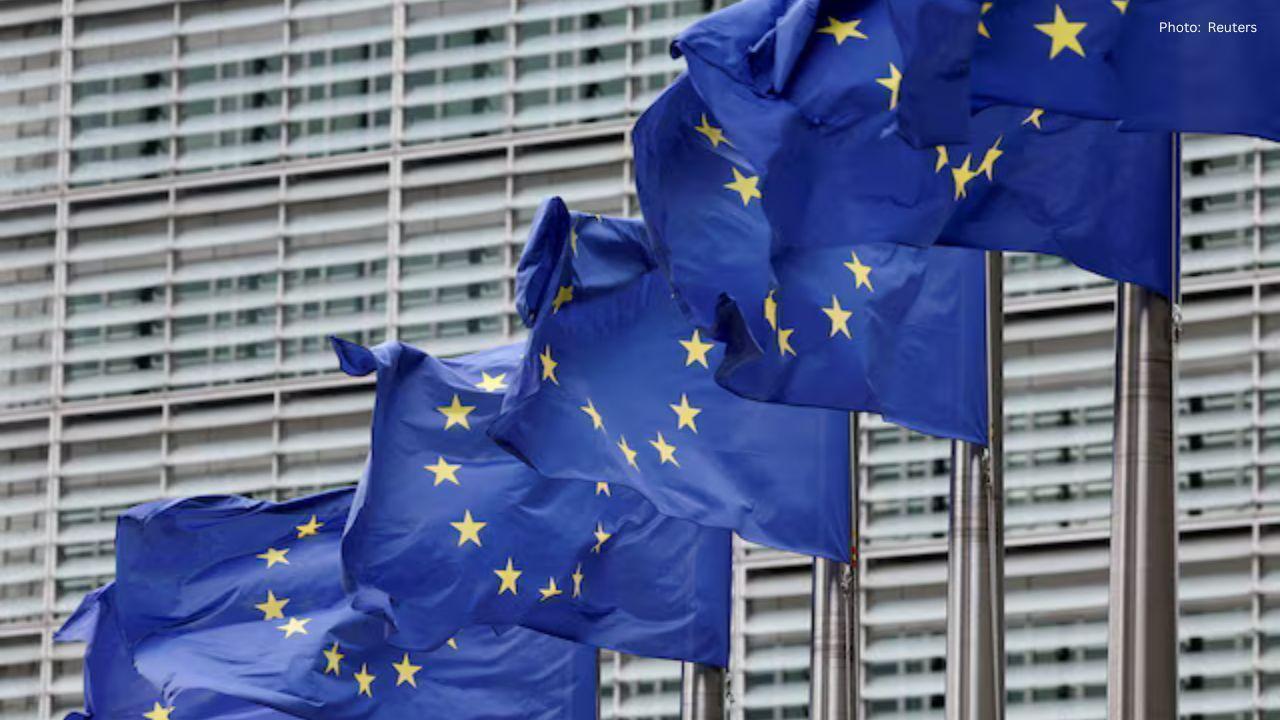
The European Union is set to broaden its carbon border tax to include additional imported items, such as automotive parts and household appliances, as part of its strategy to lower global emissions and safeguard European industries. The European Commission revealed these proposals on Wednesday.
The Carbon Border Adjustment Mechanism (CBAM), recognized as the world’s first carbon border tariff, aims to impose fees on imported products based on their CO2 emissions produced during manufacturing. Currently, it applies to steel, aluminium, cement, and fertilisers. From January onward, businesses importing these items will be required to pay fees that align with the carbon pricing already shouldered by EU producers.
The new proposals focus on downstream products that consume a significant amount of steel and aluminium, including machinery and construction materials. EU officials are tightening regulations to prevent foreign firms from avoiding the fee by under-reporting emissions. If necessary, the EU might apply default emissions values, leading to increased CBAM charges.
“This initiative is not about demanding excess, but about ensuring justice for goods entering the European Union,” stated Wopke Hoekstra, EU Climate Commissioner.
Supporters, including the Business for CBAM Coalition, argue that this expansion will shield European industries from “carbon leakage,” which occurs when companies relocate production overseas to bypass stringent climate policies.
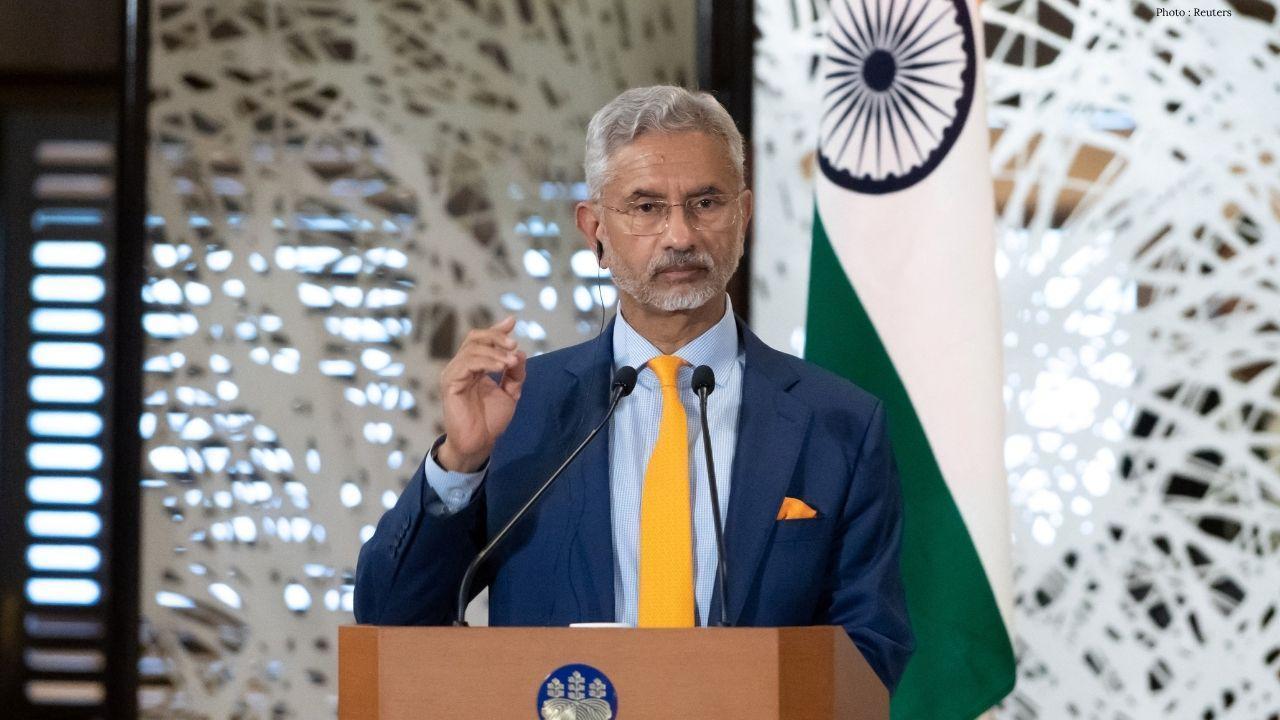
Despite pushback from trading partners like China, India, and South Africa, the EU is poised to proceed, stressing that other nations are progressively establishing their carbon pricing mechanisms. Experts observe that CBAM has already prompted some countries to cut emissions to stay competitive in the European market.
Additionally, Brussels suggests allocating 25 percent of the revenue from the tax to assist European manufacturers in offsetting increased production costs, exclusively for those investing in low-carbon technologies.
The proposals are set to undergo negotiations among EU member states and the European Parliament prior to official enactment. Importers will have until September 2027 to purchase and surrender CBAM certificates to ensure full compliance.
The expansion of the carbon border tax is viewed as a pivotal move in the EU’s comprehensive plan to cut greenhouse gas emissions while preserving industrial competitiveness. It underscores Europe’s dedication to addressing climate change and upholding environmental standards for imported goods.


 English