Post by : Raina
Al-Fahim
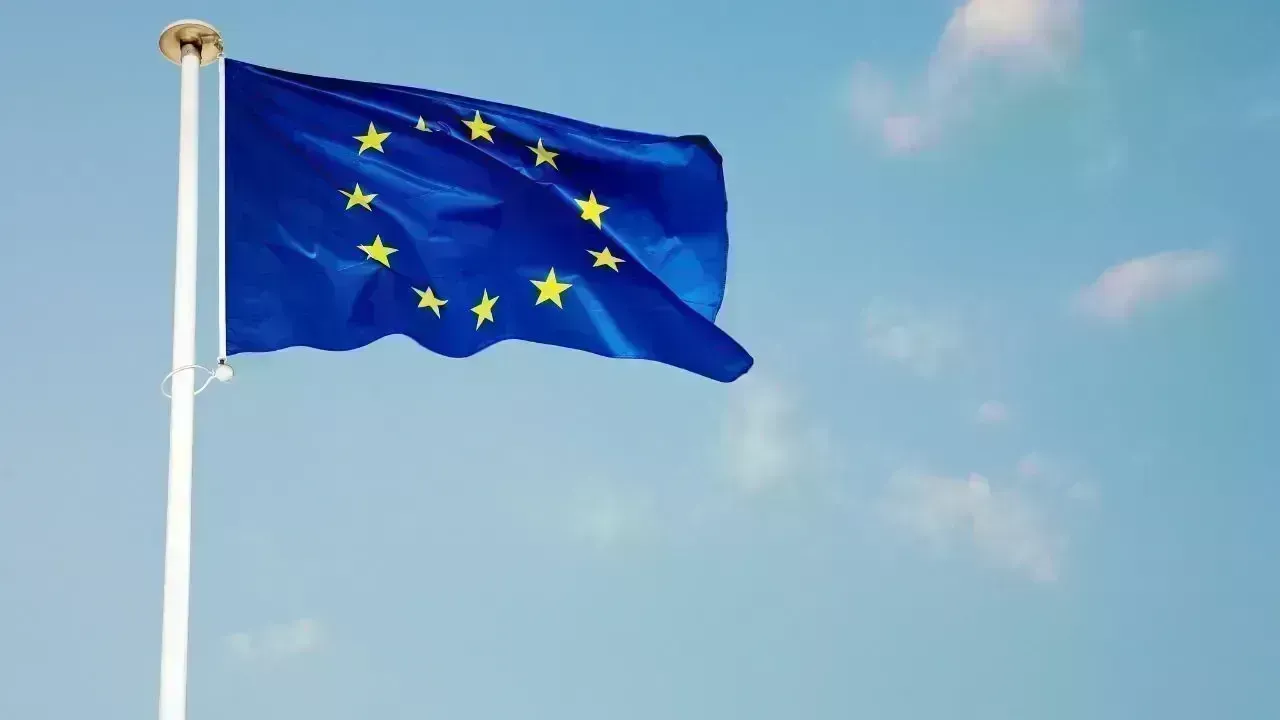
The European Union has enacted fresh sanctions against Russian oil traders linked to a covert fleet of oil tankers, seeking to tighten restrictions on Russian crude exports that finance its ongoing conflict in Ukraine. The sanctions, revealed on Monday, highlight nine individuals and businesses, prominently featuring Canadian-Pakistani trader Murtaza Lakhani and Azerbaijani trader Etibar Eyyub, both implicated in facilitating the shipment of Russian oil to global markets.
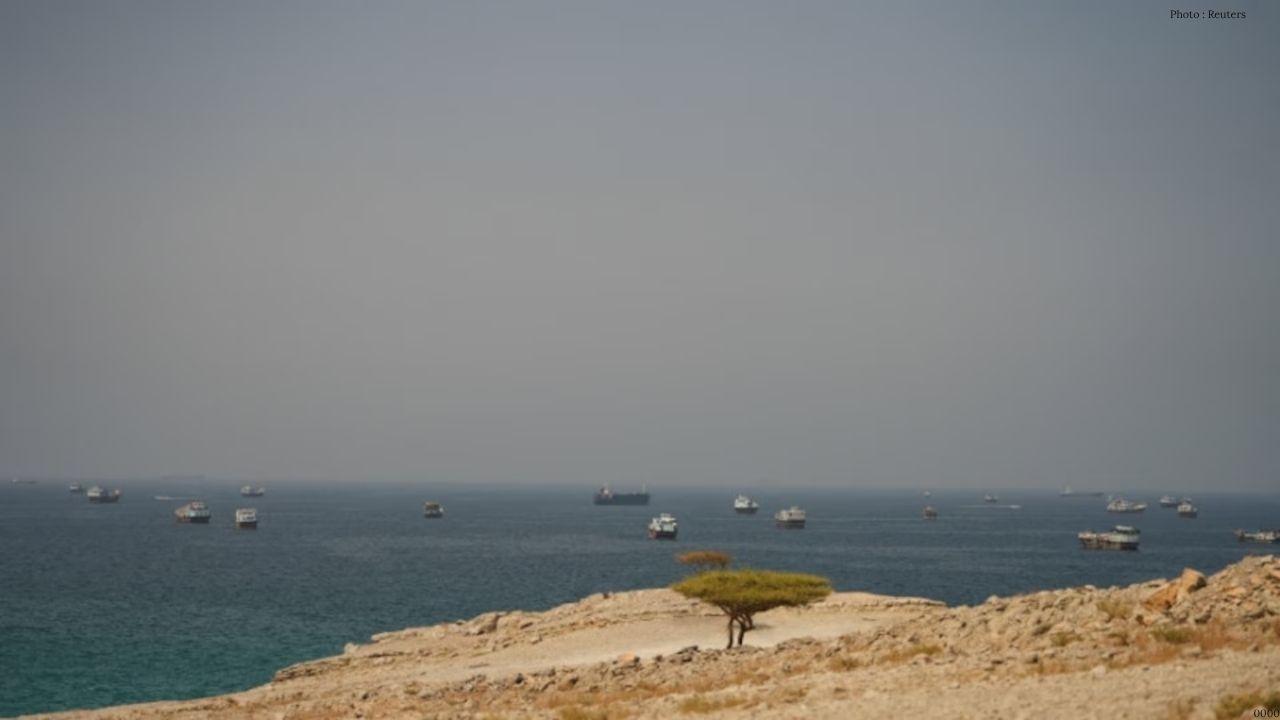
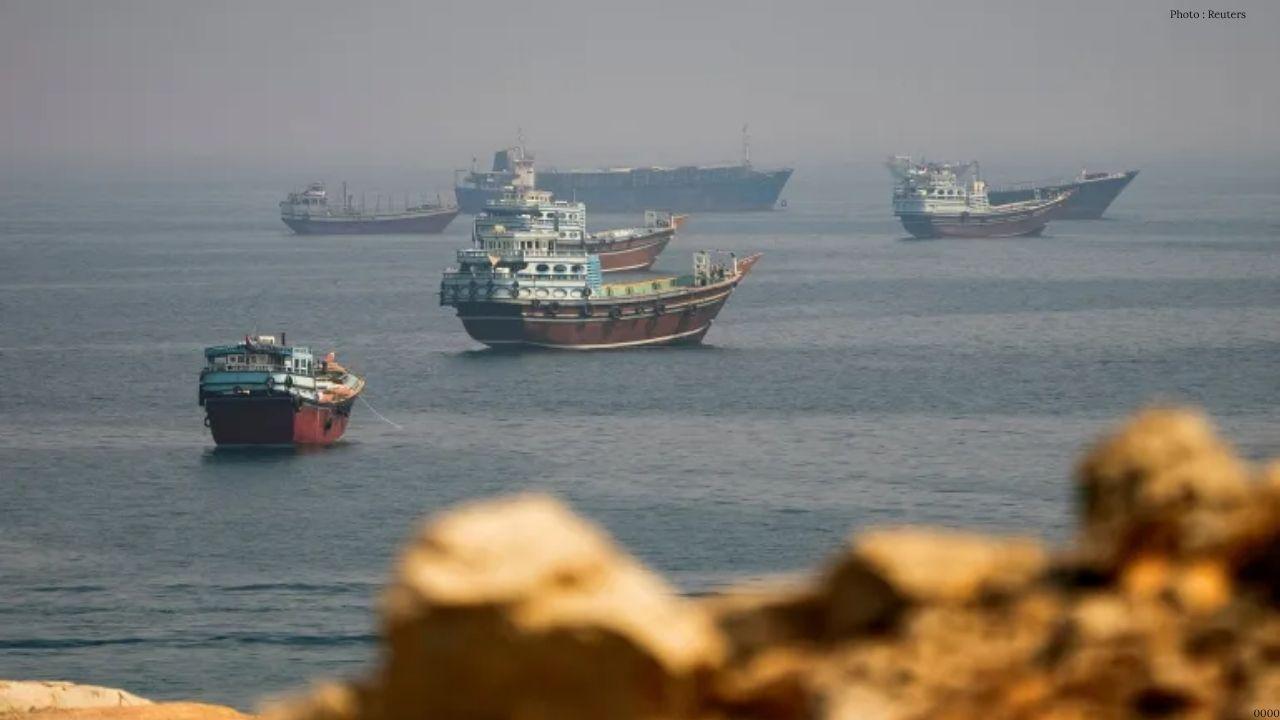
Per the European Union, these new regulations outlaw transactions by EU citizens and firms with the designated entities, severely impacting their access to essential shipping and insurance resources. This move is part of a larger EU initiative that has now blacklisted over 2,600 companies and individuals, complicating Russia's efforts to bypass Western sanctions. Analysts predict that the EU might soon add upwards of 40 ships to the increasing roster of Russia's shadow fleet, which currently comprises around 600 vessels operating outside the conventional Western maritime pathways.
Murtaza Lakhani, the CEO of Mercantile & Maritime Group, emerges as a crucial player in Russian crude exports, especially for the state-owned giant Rosneft. His firms manage several ships transporting crude and petroleum from Russia to markets including India and China, typically at reduced prices. Lakhani's journey began with global trading powerhouse Glencore, overseeing Iraqi oil exports, and he later became a significant intermediary in Kurdistan, facilitating deals between Rosneft and the regional government. His connections persist through investments in notable Russian oil projects, such as a 5% stake in Vostok Oil in the Arctic alongside leading trading firm Vitol.
The EU has simultaneously sanctioned Valery Kildiyarov, a director at Lukoil’s trading arm Litasco Middle East DMCC, along with managers from related shipping companies in Dubai. Etibar Eyyub, along with Anar Madatli and Talat Safarov, was associated with Coral Energy, which has since been rebranded as 2Rivers Group; previously one of the largest Russian oil trading entities. Although 2Rivers Group asserts it stopped trading Russian oil in 2023 and dissolved in 2024, the EU sanctions reveal ongoing grievances regarding attempts to circumvent international regulations.
In spite of earlier sanctions, Russia continues to export millions of barrels of oil, primarily to Asian nations, leveraging its shadow fleet to sustain supply. The latest EU sanctions are aimed at further hindering these channels by targeting crucial individuals and companies within Russia’s oil logistics framework. Experts believe that restricting access to international shipping and insurance will increasingly strain Russia’s energy exports in the coming months.
With the implementation of these new sanctions, the European Union reaffirms its stance against Moscow, underscoring the critical need to scrutinize oil traders and their affiliations with Russia's shadow fleet. These actions highlight the EU’s dedication to limiting Russia’s capacity to finance military initiatives in Ukraine while urging member states to be vigilant against indirect support for Russian oil exports.


 English