Post by : Vansh
Kumar
From Awareness to Action: Building a Greener World for Future Generations
The health of our planet is at a turning point, and the need for meaningful solutions has never been more urgent. Humanity faces a wide range of pressing issues that demand immediate action, from climate change to pollution, deforestation, and biodiversity loss. Moving from awareness to action is the key to ensuring a safer and more sustainable future. It is no longer enough to simply acknowledge environmental issues—we must actively embrace change through innovation, education, and collective responsibility.
Understanding the Scale of the Problem
Environmental degradation is not a distant threat; it is a reality unfolding before our eyes. Glaciers are melting, forests are shrinking, and extreme weather events are increasing in frequency and severity. Air quality in urban areas continues to decline, and plastic waste is overwhelming oceans. Recognizing these challenges is the first step, but the focus must shift to sustainable solutions that address the root causes of the crisis. The survival of ecosystems—and humanity itself—depends on immediate and coordinated action.
Climate Change: The Central Challenge
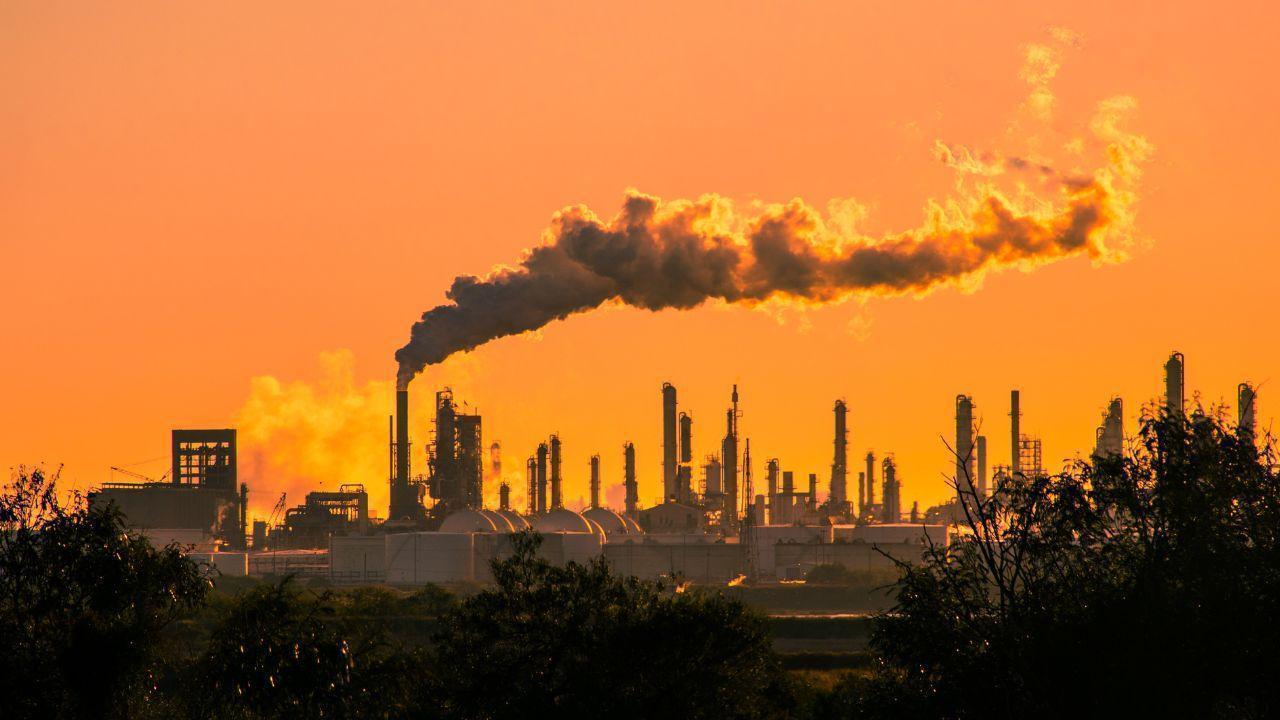
Among the many issues confronting the planet, climate change is perhaps the most pressing. Rising global temperatures caused by greenhouse gas emissions are disrupting ecosystems, agriculture, and human health. The devastating impact of wildfires, droughts, floods, and hurricanes demonstrates how urgent the situation has become. Transitioning to renewable energy is one of the most powerful ways to combat climate change. Solar, wind, hydro, and geothermal energy not only reduce carbon footprints but also create opportunities for economic growth and innovation.
The Role of Biodiversity in a Healthy Planet
Biodiversity is the backbone of life on Earth. Each species, no matter how small, plays an important role in maintaining balance within ecosystems. Unfortunately, habitat destruction, pollution, and overexploitation are causing alarming rates of extinction. Preserving biodiversity means protecting forests, oceans, wetlands, and grasslands that provide clean air, fresh water, and fertile soil. By supporting conservation projects and practicing responsible consumption, individuals can help protect natural resources and ensure the stability of life-supporting systems.
Disclaimer:
This article is provided for general informational and educational purposes only. It should not be considered as professional or expert advice. Readers are encouraged to verify facts and consult appropriate sources before making decisions based on the content. GCC news network assumes no responsibility for any outcomes resulting from the use of this information.


 English