Post by : Mariam
Al-Faris
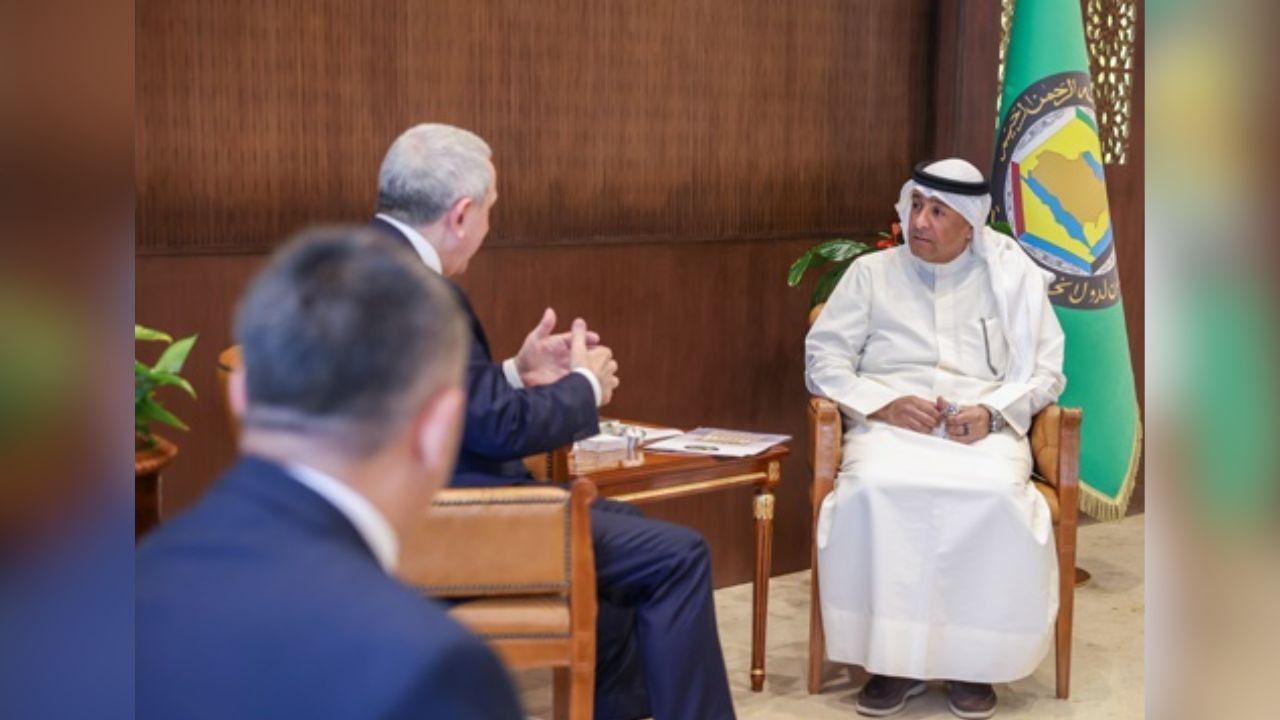
Photo: Bahrain News Agency
On a warm day in Saudi Arabia, Jasem Mohamed Albudaiwi, the Secretary General of the Gulf Cooperation Council (GCC), met with Shahin Abdullayev, the Ambassador of Azerbaijan to Saudi Arabia. The purpose of this meeting was to talk about how both the GCC and Azerbaijan can work together even more closely in the coming years. The meeting was focused on the progress made since the adoption of the 2024-2028 Joint Action Plan, which was agreed upon in November 2023.
The Joint Action Plan is a set of goals that both sides have agreed to work on to improve their relations in a variety of important areas, including politics, trade, investments, and energy. This meeting was a chance to check on how these goals are being achieved and what can be done to make the partnership even stronger.
GCC and Azerbaijan: Partners in Many Areas
The GCC is a group of six countries located in the Arabian Peninsula. These countries are Bahrain, Kuwait, Oman, Qatar, Saudi Arabia, and the United Arab Emirates (UAE). They share a common goal of strengthening their economies and increasing their influence globally. Azerbaijan, located in the South Caucasus region, is a country that has been making strides in developing its economy and building stronger relationships with countries in the Middle East.
For both the GCC and Azerbaijan, working together makes a lot of sense. These two sides are geographically close and share many common interests. The GCC countries and Azerbaijan are both committed to improving their economies and ensuring political stability in the region. Through this partnership, they can support each other in a variety of areas.
The Joint Action Plan: A Roadmap for Future Cooperation
The Joint Action Plan is not just a document; it's a roadmap that outlines the key areas where both sides want to work more closely. It was carefully put together in November 2023, after a lot of thought and discussion. The plan covers several important aspects, such as political coordination, trade cooperation, investments, energy, and other areas that can lead to further growth.
The most important thing about the Joint Action Plan is that it aims to improve the relationship between the two sides. It is a way for both the GCC and Azerbaijan to build stronger, long-term partnerships that will benefit their people and their economies. The plan sets out specific goals for the next few years and gives both sides clear steps to follow in order to achieve those goals.
Political Cooperation: A Stronger Voice Together
One of the most important areas discussed during the meeting was political coordination. Both the GCC and Azerbaijan want to have a stronger voice in global politics. They understand that by working together, they can make a bigger impact in international discussions and decisions. Whether it's about peace, security, or economic issues, having a united voice makes a difference.
This political coordination is not just about talking; it's also about acting together when important decisions need to be made. The GCC and Azerbaijan want to support each other in international organizations, like the United Nations, and work together to make the world a better place. This cooperation is especially important in a time when political tensions can sometimes make it difficult to find solutions to global problems.
Trade Cooperation: More Business Opportunities
Another key part of the Joint Action Plan is trade cooperation. Both the GCC and Azerbaijan understand that increasing trade between them will help their economies grow. By trading goods and services, they can create more jobs, improve their economies, and build stronger financial ties.
Azerbaijan is known for its rich natural resources, like oil and gas, while the GCC countries are leaders in industries like construction, technology, and finance. Together, they can find new opportunities to exchange goods and services that benefit both sides. This could include things like investing in infrastructure, building new factories, and developing technologies that will improve people's lives.
Additionally, trade cooperation includes making it easier for businesses in both regions to operate. This could mean removing trade barriers, improving logistics and transport links, and ensuring that both sides are able to access each other's markets more easily. By doing so, the GCC and Azerbaijan can create a business-friendly environment that encourages growth and innovation.
Investment Opportunities: Growing Economies Together
Investment is another big part of the Joint Action Plan. Both the GCC and Azerbaijan are keen on attracting foreign investment, and they see each other as important partners in this regard. The goal is to help businesses and governments in both regions make smart investments that will bring long-term benefits.
This could include investing in energy projects, like renewable energy sources, or in technology companies that are working to solve global challenges. The countries involved understand that investing together in these important sectors will create a more sustainable future for everyone.
Azerbaijan, with its growing economy and strategic location, is seen as an attractive destination for investment. The GCC countries, on the other hand, have extensive financial resources and expertise in areas like infrastructure development and business management. By combining these strengths, they can create powerful economic opportunities that will help both sides thrive.
Energy Cooperation: Securing a Sustainable Future
Energy is another key area where the GCC and Azerbaijan are looking to deepen their cooperation. The GCC is known for its vast oil and gas reserves, and Azerbaijan has significant resources in the Caspian Sea. Both sides are interested in exploring ways to work together on energy projects, particularly in the area of renewable energy.
As the world moves toward cleaner, more sustainable energy, both the GCC and Azerbaijan want to be at the forefront of this change. By working together on energy projects, they can ensure that they are prepared for the future and that they can contribute to global efforts to combat climate change. This includes investing in solar and wind power, as well as exploring new technologies that can help reduce the impact of traditional energy sources on the environment.
The Future: A Bright Path Forward
Looking ahead, the meeting between the GCC and Azerbaijan was just the beginning of a promising journey. With the Joint Action Plan in place, both sides are committed to taking action and achieving the goals they set out. The next few years will be crucial in determining how successful this partnership will be.
The economic, political, and social cooperation between the GCC and Azerbaijan will have a lasting impact on both regions. By working together, they can create a stronger, more secure, and prosperous future for their people. Both sides are excited about the opportunities that lie ahead, and they are ready to take the next steps in building a bright future.
A Partnership for the Future
In conclusion, the meeting between the GCC and Azerbaijan was an important step toward building a stronger relationship between the two sides. The Joint Action Plan for 2024-2028 provides a clear roadmap for future cooperation, and both sides are committed to making it a success. By focusing on political coordination, trade cooperation, investment opportunities, and energy collaboration, the GCC and Azerbaijan are poised to achieve great things together.
As the world continues to face new challenges, partnerships like this one will be key to finding solutions and creating a better future for all. The GCC and Azerbaijan are ready to work hand in hand to make this vision a reality.


 English