Post by : Anis
Al-Rashid
Impact of This Week’s Health Advisory on Travel Plans
A recent health advisory has prompted travellers in the GCC region to reassess their travel preparations. Designed not to deter travel, the advisory's purpose is to equip individuals with the knowledge and tools to navigate both typical and unforeseen circumstances effectively. Given the uptick in seasonal illnesses, fluctuating weather, and alterations in public health guidelines, it emphasizes the need for heightened safety, hygiene, and preparedness.
Following the advisory’s release, travel forums have been buzzing with inquiries such as:
“Should we wear masks again?”
“What documents are necessary?”
“Are there areas we should avoid?”
“What about travel insurance?”
In light of the advisory, tourists have quickly adapted their pre-travel routines, creating streamlined checklists that reflect the new recommendations. This guide outlines essential steps for those travelling this week or soon.
Key Points from the Health Advisory
The advisory emphasized three primary concerns:
1. Rising Seasonal Illnesses
An increase in respiratory and viral infections suggests that additional precautions are necessary.
2. Localised Outbreaks
Certain areas reported heightened case counts, reminding travellers to exercise caution in specific regions.
3. Reinforcement of Safety Protocols
Public locations like airports and tourist attractions are expected to adhere to new hygiene standards.
The advisory is a call for preparedness rather than alarm.
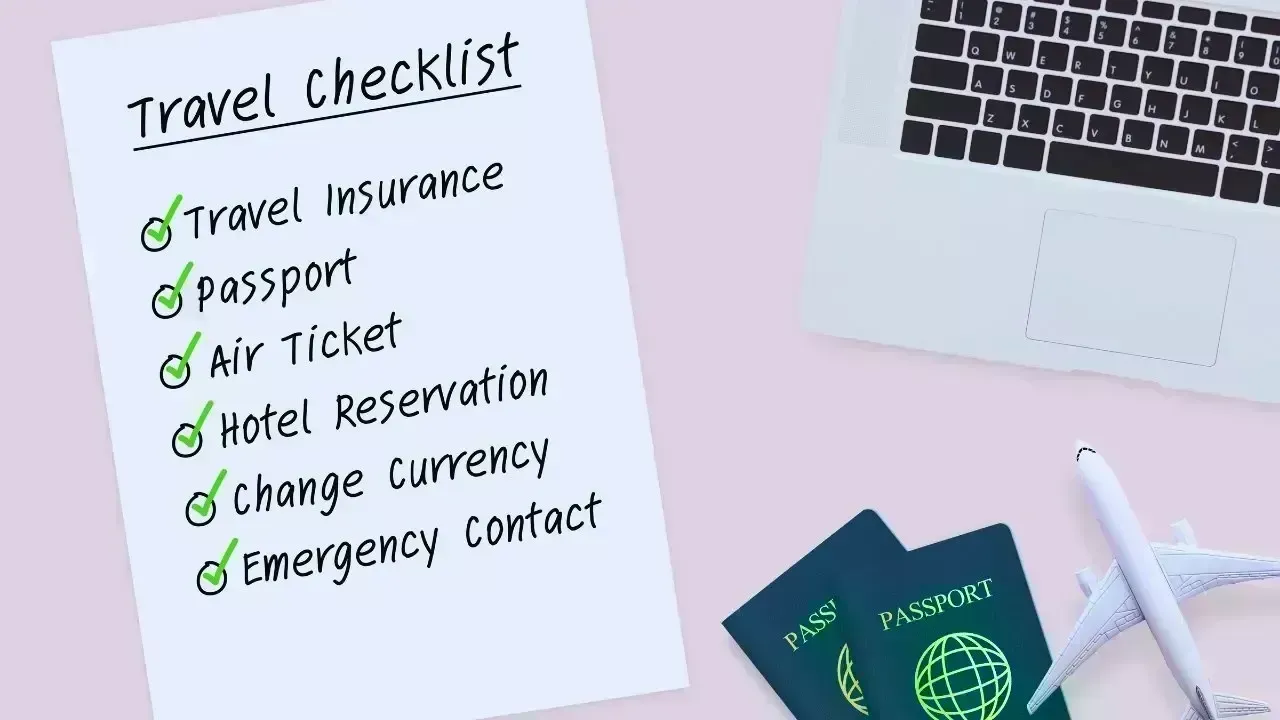
This Week’s Travel Checklist Essentials
1. Health Essentials: Your Primary Line of Defence
Many have begun to carry compact health kits that include:
These kits allow travellers to manage minor health issues without searching for a pharmacy.
2. Essential Documents and Travel Records
Travellers are reminded to keep crucial health and identification documents prepared, including:
-
Official ID
-
Current prescriptions (if applicable)
-
Emergency contact information
-
Digital medical records
-
Travel insurance information
-
Declarations required by the advisory
Having documents on hand shortens check-in time and alleviates stress at checkpoints.
3. Self-Health Assessment Before Travel
An important step has been the self-assessment conducted before travelling:
-
Any fever within the last 48 hours
-
Ongoing cough or cold symptoms
-
Unusual tiredness
-
Recent contact with anyone ill
-
Recent medical visit
-
Feeling physically ready to travel
This is about responsible travel, not restricting movement.
4. Awareness of Local Guidelines
Travellers should confirm:
This awareness helps prevent last-minute surprises as plans unfold.
5. Hygiene and Safety During Packing
Additional hygiene items were packed by travellers, such as:
-
Extra tissues
-
Travel-sized soaps
-
Pocket oil or balm for dryness
-
Compact towel
-
Additional masks (optional)
-
Wipes for sanitizing seats and trays
These extra items significantly enhance comfort in shared environments.
6. Checking Accommodation Safety
Before booking or checking into accommodations, travellers ensured:
-
Rooms are well-ventilated
-
Cleanliness ratings are satisfactory
-
Housekeeping follows health standards
-
Drinking water is safe
Many took the initiative to contact hotels directly regarding safety measures.
7. Adjusted Itinerary for Low-Risk Situations
Several modified their plans to favour:
-
Open-air attractions over enclosed spaces
-
Traveling during less busy hours
-
Dining in cleaner restaurants
-
Avoiding large gatherings
Smart decision-making took precedence over spontaneity this week.
8. Enhanced Hydration and Nutrition
The advisory highlighted the importance of maintaining good health through hydration and nutrition. Travellers adjusted accordingly by:
-
Bringing refillable water bottles
-
Opting for lighter meals
-
Steering clear of raw items in high-risk areas
-
Carrying healthy snacks
-
Keeping track of hydration levels
This approach helps minimize fatigue and illness during travels.
9. Awareness of Travel Insurance Options
With an increased focus on health-related issues, the advisory prompted many to either review or procure short-term travel insurance. Such insurance provides reassurance against:
This trend saw a significant uptick during the advisory period.
10. Mental Preparedness for Travel
Travellers have also recognised the importance of a flexible mindset. This included:
-
Anticipating minor adjustments
-
Practicing patience with queues and security
-
Adhering to safety guidelines
-
Maintaining calm in the face of changes
Being mentally prepared has become an integral part of travel planning.
Response from Different Types of Travellers
Families with Children
They included in their packs:
Solo Travellers
They focused on:
Senior Travellers
They prioritised:
Work Travellers
They emphasised:
This tailored approach ensures that diverse groups can travel safely while enjoying their experiences.
Reasons for the Checklist's Popularity
The checklist gained traction for several reasons:
-
It addresses genuine concerns
-
It's straightforward to implement
-
It alleviates uncertainty
-
Accommodates various budgets
-
It aligns seamlessly with the advisory
-
It empowers rather than pressures travelers
Many discovered that simple measures lead to smoother and healthier journeys.
The Greater Context: Promoting Responsible Travel
This week's advisory catalyzed a move toward responsible travel practices. Travellers became:
-
More observant
-
More considerate
-
Better organised
-
More self-reliant
-
Healthier in choices
This awareness is likely to continue beyond the current advisory, as many recognise the advantages of preparedness.
In Conclusion
This week’s regional health advisory has prompted a healthier approach to travel planning. Rather than disrupt schedules, it has empowered individuals with guidance and foresight. The rapid proliferation of the travel checklist reflects a collective desire to remain safe, confident, and stress-free.
In an ever-changing world, preparedness can significantly impact your journey. Whether for business, family, leisure, or emergencies, this guide lays the groundwork for smooth, secure travel.
DISCLAIMER:
This article is based on recent advisories and is intended for general information. Always adhere to official health guidance and consult professionals for tailored advice.


 English