Post by : Bianca
Haleem
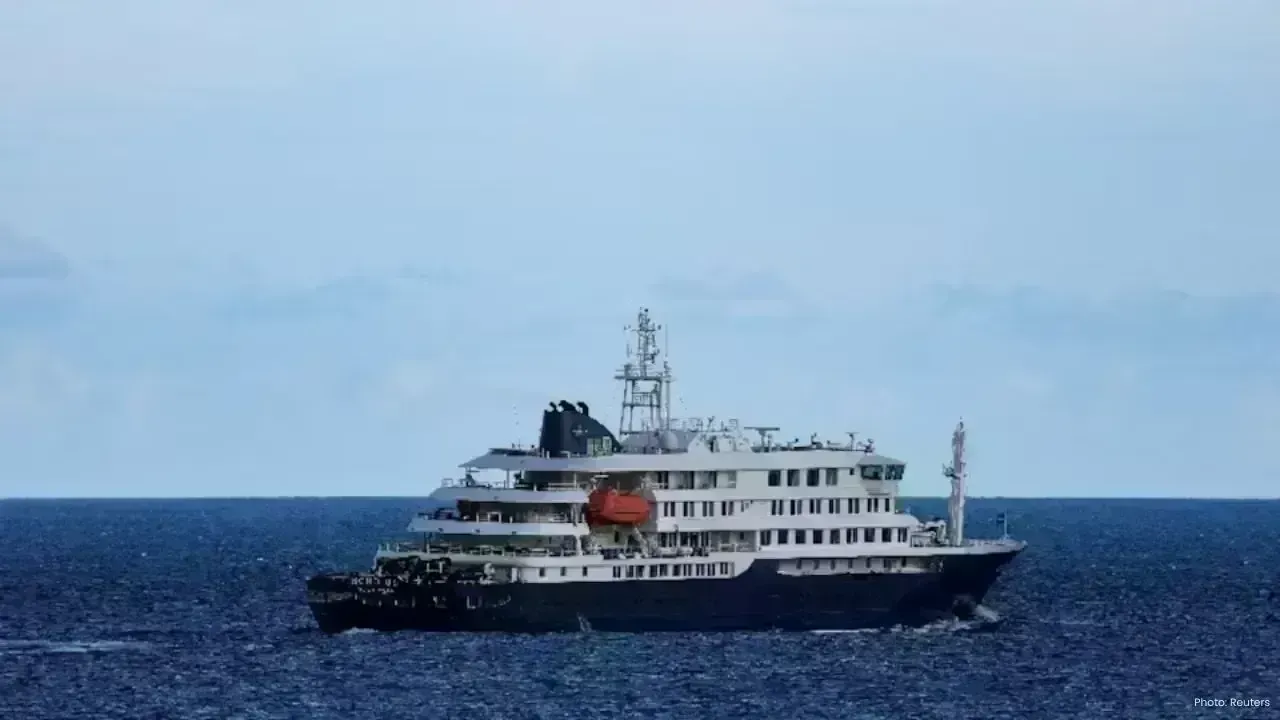
The hantavirus outbreak associated with the luxury cruise ship MV Hondius in the Atlantic has triggered worldwide alarms and rekindled fears of the COVID-19 pandemic. This outbreak, attributed to the Andes strain of hantavirus, has resulted in three fatalities and 11 confirmed cases thus far.
Global health officials are now monitoring numerous passengers who traveled on the ship, with many having returned to nearly 20 different countries. The situation has sparked widespread anxiety online, especially since this incident mirrors the early COVID-19 outbreak on the Diamond Princess in 2020.
However, health professionals and the World Health Organization (WHO) consistently emphasize that the public risk remains low and that this does not compare to a COVID-like pandemic.
The Andes strain of hantavirus, prevalent in parts of Argentina and Chile, can occasionally spread between individuals, although such occurrences are infrequent. Experts indicate that this strain has been in existence for many years, showing no significant evolution.
Samples taken from infected passengers on the MV Hondius corresponded with previously identified virus strains. Health authorities confirmed that established measures are in place to monitor and control the hantavirus spread.
This outbreak has shed light on the importance of clear communication from governments and health agencies, learning from past errors made during the COVID crisis. Public messaging during COVID-19 often suffered from delays and confusion, eroding trust in health institutions across various nations.
Gianfranco Spiteri, the emergencies chief at the European Centre for Disease Prevention and Control, mentioned that officials are now dedicating considerable effort to ensure clear public communication, aiming to avoid unnecessary fear.
Health agencies are actively combatting the misinformation burgeoning online surrounding hantavirus. Numerous dubious claims have surfaced on social media, including conspiracy theories connecting the virus to vaccines. Some posts have also pushed unsubstantiated treatments like ivermectin, vitamin D, and zinc.
WHO Director-General Dr. Tedros Adhanom Ghebreyesus has directly addressed escalating concerns via public statements and social media. In an open letter to the residents of Tenerife, where the ship docked, he clarified that the hantavirus outbreak should not be likened to COVID-19.
Experts note that the emotional outpouring is rational since the cruise ship scenario reawakens memories of the early coronavirus days. Medical professionals highlight that cruise ships have become strongly linked with disease outbreaks since 2020.
Despite growing public concern, health officials continue to assert that hantavirus significantly differs from COVID-19. The virus exhibits lower contagion levels, outbreaks are limited, and there are known procedures to manage its spread.
Authorities are persistently engaged in contact tracing, testing, and monitoring of passengers, while also advising the public to seek information through credible health organizations, rather than succumbing to social media speculation.


 English