Post by : Meena
Hassan
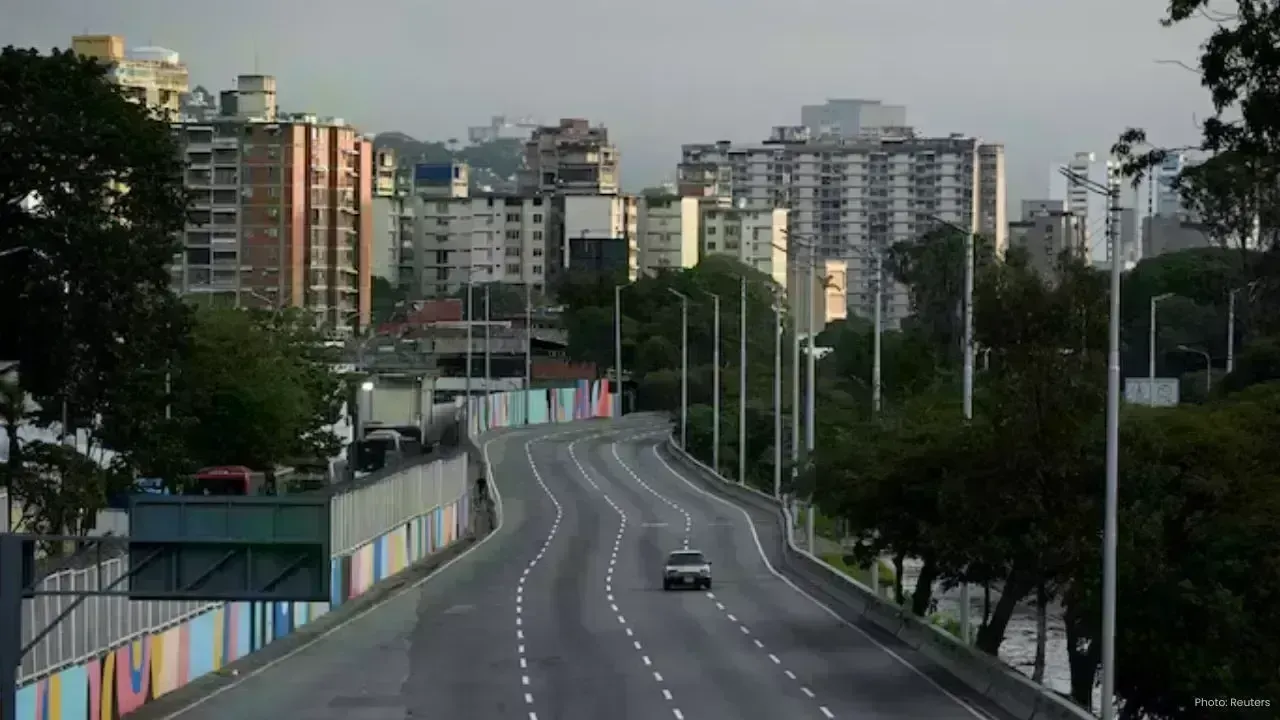
On Monday, global financial markets demonstrated notable resilience following the U.S. operation that culminated in the arrest of Venezuelan President Nicolas Maduro. However, investors are expressing caution, suggesting that the full range of geopolitical risks may not yet be evident in current market prices. Asian stock exchanges opened positively, oil prices saw a slight decline, while gold prices rose as many sought safe-haven investments amidst growing uncertainty.
President Donald Trump’s aggressive stance, which included direct warnings to Colombia and Mexico, marks a pivotal change in U.S. foreign policy. This development has reignited anxiety regarding the stability of Latin America and its potential impact on global financial markets. Analysts indicate that, while immediate disruptions are limited, the long-term consequences of such bold policy actions could ripple through numerous sectors and regions.
Though Venezuela’s oil production is relatively small in the global context, the nation’s substantial untapped reserves have garnered significant interest. Market players argue that the minor contribution of Venezuelan oil to global supply explains the tempered initial reactions. However, should U.S. energy firms successfully revive production, it might unleash considerable opportunities and transform energy markets in the future.
Financial analysts caution that the ramifications extend beyond oil. This intervention may lead nations to bolster defense expenditures, signaling a new phase of military readiness. Additionally, uncertainty surrounding U.S. policy could impact the dollar’s credibility as a safe-haven currency, despite its slight strengthen on Monday after a significant drop over the previous year against other major currencies.
Investors are keeping a close watch on possible global repercussions. Concerns are growing about whether Trump’s assertive stance in Venezuela might lead to more aggressive strategies in other regions, including potential U.S. actions towards Iran or strategic investments related to Taiwan. Nevertheless, regional experts caution that while tensions are rising, immediate escalations in other hotspots are not necessarily imminent.
Market observers note a distinct pattern: investors seem to be becoming increasingly acclimated to the U.S. taking strong military and foreign policy initiatives. Thus, the Venezuela incident is viewed more as a geopolitical disturbance than a supply chain crisis. Although this event has renewed discussions on regional stability and long-term market risks, most analysts believe that fundamental financial indicators—earnings, interest rates, and investment strategies—will continue to influence market dynamics in the immediate future.


 English