Post by : Anis
Al-Rashid
The Rising Tide of Global Migration
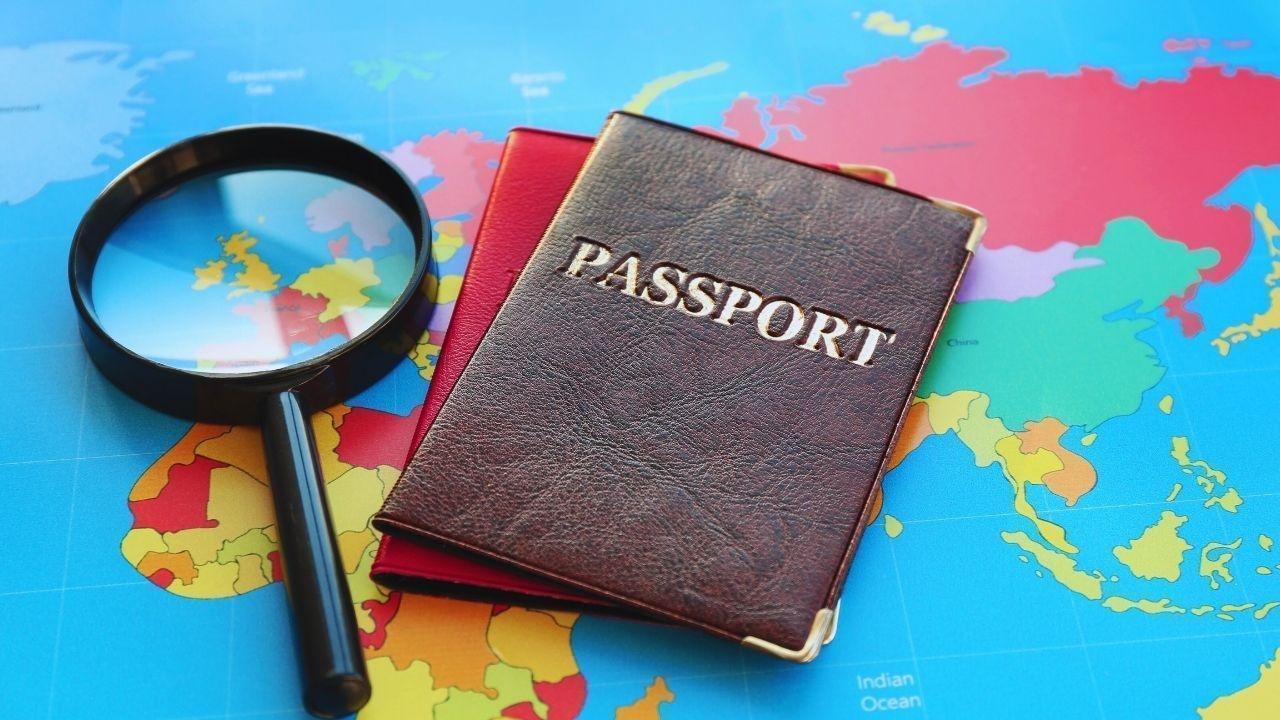
Migration is a defining phenomenon of the 21st century. Millions of people are moving across borders each year, seeking better opportunities, safety, and quality of life. The United Nations reports that over 280 million people live outside their country of birth, representing approximately 3.5% of the world’s population.
The reasons behind migration are diverse. Economic prospects, political instability, environmental changes, and social factors all play significant roles in influencing decisions to relocate. Migration affects not only the individuals who move but also the countries they leave and the countries they enter.
Understanding modern migration trends is essential for policymakers, businesses, and communities alike, as migration influences labor markets, demographic shifts, cultural dynamics, and social cohesion worldwide.
Economic Factors Driving Migration
Economic opportunity remains one of the strongest motivators for migration. People move to countries where employment prospects, wages, and living standards are higher.
For example, skilled professionals in technology, healthcare, and engineering often migrate to countries like the United States, Germany, or Canada for better job opportunities and career growth. Labor migration is also common among individuals seeking employment in sectors such as agriculture, construction, and domestic work in wealthier nations.
Remittances sent back to home countries are a critical economic driver, supporting families, education, and local development. In 2024, global remittances reached over $700 billion, underscoring the economic importance of migration for both sending and receiving countries.
Political and Safety-Related Migration
Political instability, conflict, and persecution force millions to flee their homes. Refugees and asylum seekers often leave countries affected by civil war, authoritarian regimes, or ethnic persecution.
Syria, Afghanistan, and Venezuela are prominent examples where political crises have led to mass displacement. Countries neighboring conflict zones frequently bear the initial impact, providing temporary refuge and humanitarian support.
International organizations like the UNHCR work to protect displaced populations and facilitate legal migration pathways. Managing political and safety-related migration requires coordination between governments, NGOs, and international agencies to ensure protection and integration.
Environmental and Climate Migration
Environmental changes increasingly drive migration. Rising sea levels, desertification, extreme weather, and resource scarcity force communities to relocate. Climate migration is projected to increase in the coming decades, particularly affecting low-lying coastal regions and vulnerable rural communities.
Countries such as Bangladesh, the Philippines, and Pacific island nations are experiencing early impacts, prompting internal migration and cross-border movement. Governments are exploring adaptive measures, including relocation programs, resilient infrastructure, and sustainable resource management, to mitigate the human and social costs of climate migration.
Demographic Shifts and Migration Patterns
Migration influences global demographics. Developed countries with aging populations, such as Japan and Germany, rely on migration to maintain workforce levels and economic productivity. Conversely, countries with younger populations often experience emigration as citizens seek better opportunities abroad.
Urbanization trends also intersect with migration. Rural-to-urban movement within countries creates megacities with diverse migrant communities, while international migration reshapes metropolitan demographics. These shifts impact education, healthcare, housing, and urban planning, requiring comprehensive policy responses.
Migration Policies and Country Responses
Countries respond to migration with varied policies. Some adopt open-door policies to attract skilled workers, stimulate economic growth, and counter demographic decline. Canada’s points-based immigration system and Australia’s skilled migration programs exemplify this approach.
Other countries implement restrictive measures, including visa quotas, border controls, and deportation policies, to regulate labor inflow and protect local employment. Migration management also involves integration strategies, language training, and cultural orientation to facilitate social cohesion.
International agreements, such as the Global Compact for Migration, promote cooperation, human rights protection, and orderly, safe, and responsible migration.
Integration and Social Challenges
Integration of migrants is a central challenge for many countries. Language barriers, cultural differences, and social acceptance influence how migrants adapt to new societies.
Inclusive policies, community programs, and educational initiatives can support integration, reduce xenophobia, and promote multiculturalism. Conversely, lack of integration can lead to social tension, economic marginalization, and political polarization.
Successful integration benefits both migrants and host countries by fostering social harmony, economic participation, and cultural exchange.
The Role of Technology in Migration
Technology is shaping modern migration. Digital platforms facilitate job searches, visa applications, and community networking, making international movement more accessible.
Social media helps migrants stay connected with families, access information, and navigate unfamiliar environments. Digital tools also assist governments and NGOs in monitoring migration flows, distributing resources, and coordinating humanitarian assistance.
However, technology can also be misused for misinformation or exploitation, highlighting the need for regulatory oversight and ethical practices in digital migration management.
Global Migration and Labor Markets
Migration significantly impacts labor markets. Skilled migrants fill labor shortages in high-demand sectors, contribute to innovation, and enhance productivity. Unskilled or seasonal migrant labor supports agriculture, construction, and domestic industries, often performing jobs local populations may not fill.
Countries benefit economically from the tax contributions, consumer spending, and entrepreneurial activity of migrants. Simultaneously, sending countries experience “brain drain,” but also gain from remittances, skill transfer, and international networks.
Balancing labor market needs with social policy and public opinion remains a core challenge in migration management.
Cultural and Social Impacts of Migration
Migration enriches host societies by introducing cultural diversity, culinary traditions, arts, and languages. Urban centers increasingly become multicultural hubs, fostering creativity, tourism, and global connectedness.
At the same time, rapid demographic changes can create cultural friction. Promoting intercultural dialogue, anti-discrimination initiatives, and inclusive education helps communities embrace diversity positively.
Migration is not only an economic or political phenomenon—it reshapes identity, societal values, and the collective cultural landscape.
Migration Trends by Region
-
North America: Continues to attract skilled labor, entrepreneurs, and refugees. Immigration policy reforms are ongoing debates in the United States and Canada.
-
Europe: Hosts both labor migrants and refugees. Aging populations drive demand for skilled migrants, while political discourse around migration remains sensitive.
-
Middle East: Countries like UAE and Qatar rely heavily on foreign labor for construction and service industries, with strict visa regulations shaping migration dynamics.
-
Asia-Pacific: Economic migration between countries, such as India, China, and Southeast Asia, is increasing, with urban centers absorbing large migrant populations.
-
Africa: Intra-regional migration dominates, driven by economic opportunities and conflict. Migration to Europe also remains significant via Mediterranean routes.
These patterns reflect the complexity of global migration, influenced by economics, politics, and social dynamics.
The Future of Global Migration
Global migration will continue to rise due to population growth, economic disparities, political instability, and climate change. Countries will need adaptive policies to manage flows, protect human rights, and harness the benefits of migration.
Future strategies may include digital migration management, climate adaptation programs, international labor agreements, and comprehensive integration policies. Cooperation between countries and international organizations will be vital to address challenges collectively.
Migration is not a transient phenomenon—it is a defining feature of global development, shaping economies, societies, and cultural landscapes for decades to come.
Conclusion: Migration as a Global Phenomenon
Migration is an enduring and complex global trend. People move for opportunity, safety, and survival, and these movements profoundly influence both sending and receiving countries.
Managing migration requires a balance of policy, humanitarian considerations, economic needs, and social integration. Countries that embrace migration thoughtfully can benefit economically, culturally, and socially, while migrants themselves gain safety, opportunity, and dignity.
Understanding global migration trends is essential in an interconnected world where movement of people shapes politics, labor markets, demographics, and cultural identity. Migration is not merely a statistic—it is a reflection of human ambition, resilience, and the quest for a better life.
Disclaimer
This article is for informational purposes only. It does not provide legal, immigration, or policy advice. Trends and data referenced reflect current global migration patterns, which may evolve with changing geopolitical, economic, and environmental circumstances.


 English