Post by : Anis
Al-Rashid
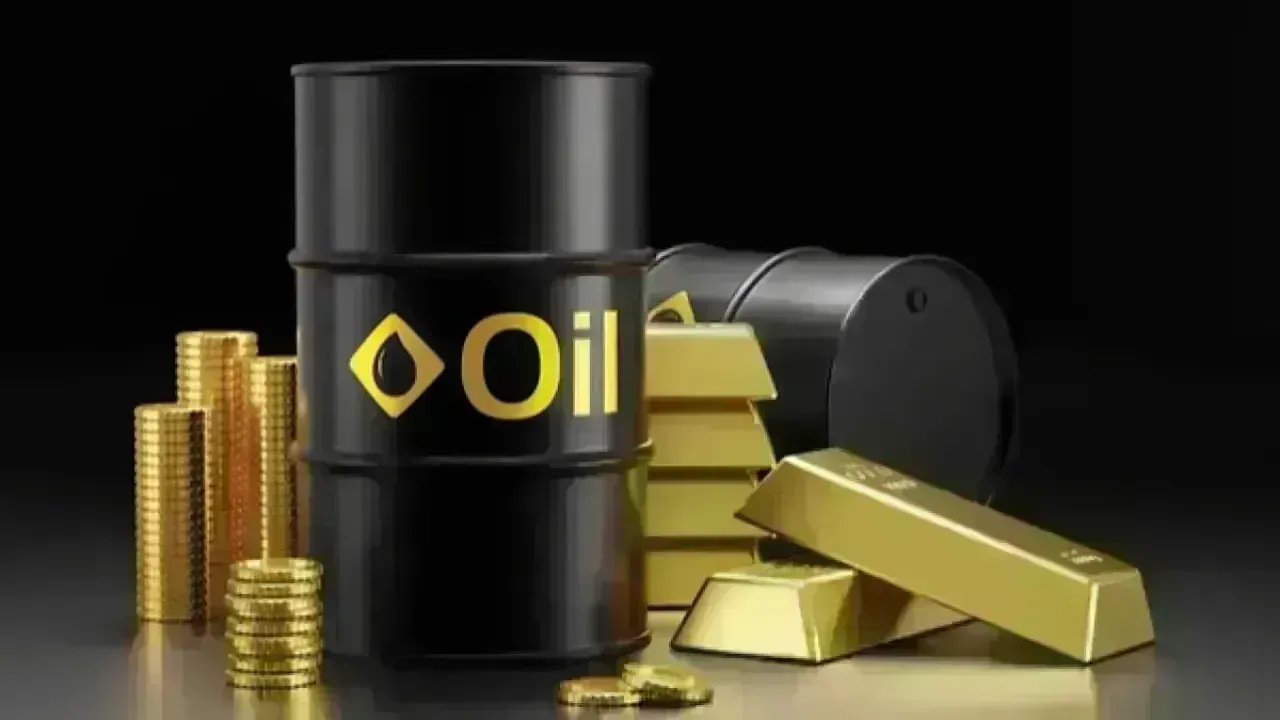
The commodity market is experiencing significant upheaval due to increased geopolitical tensions between the United States and Iran. Gold prices have soared to unprecedented heights, while crude oil is also on the rise, driven by concerns about potential supply disruptions and geopolitical risks. This climate of uncertainty has prompted a shift in financial markets, with investors moving towards safe-haven assets as they reassess their risk exposure in equities and energy.
Escalating US-Iran Relations: A Catalyst for Market Volatility
Recent weeks have seen intensified diplomatic and military posturing between the US and Iran, bringing geopolitical risk to the forefront. Increased tensions and fears of confrontation are markedly influencing trading in key asset classes, particularly gold and oil, which are typically sensitive to geopolitical instability. These commodities are perceived as safe havens during times of market distress.
Factors such as political rhetoric, naval movements in strategic areas like the Persian Gulf, and the risk of conflict disrupting energy supplies have contributed to this heightened sense of instability. Consequently, these developments are influencing price movements significantly beyond typical supply-demand dynamics, adding a substantial geopolitical risk premium to commodity valuations.
Gold’s Record Surge: Investors Seeking Safety
Gold, the quintessential safe-haven asset, has seen a historic rise in recent trading sessions. Prices have surpassed previous records, attracting global investors eager to protect their portfolios from market fluctuations and currency issues. This rally is described as both robust and encompassing, driven by various macroeconomic and geopolitical anxieties.
Factors Supporting the Gold Rally
• Geopolitical Risk Premium: Heightened conflict risks globally have increased gold's appeal, serving as a protective measure against adverse market shocks.
• Dollar Weakness: A weaker U.S. dollar has made gold more cost-effective for international investors, further enhancing its price appreciation.
• Safe-Haven Attraction: Gold’s historical reputation as a value anchor draws both institutional and retail investors seeking to hedge against uncertainty.
• Central Bank Purchases: Increased acquisitions by central banks have tightened physical supply, which supports ongoing price increases.
The convergence of these influences has driven gold to historic price levels, marking one of the largest rallies in decades. Major exchanges continue to witness this upward trend, reflecting sustained investor demand amidst ongoing market volatility.
Market Perception of Gold Prices
Analysts suggest this rally represents both fear and strategic positioning. Investors’ “fear of missing out” is driving more capital into gold as it surpasses important psychological price points. While some experts caution that speculative tactics may lead to short-term price spikes, the fundamental catalysts—geopolitical instability, increased central bank buying, and currency shifts—indicate ongoing strength in gold’s pricing.
Crude Oil: Steady Gains Amid Supply Fears
Crude oil prices have also witnessed a consistent upward trend. This move is driven not just by short-term fluctuations but by an array of geopolitical, supply-related, and macroeconomic factors affecting market fundamentals.
Underlying Factors Driving Oil Prices Upward
• Geopolitical Supply Risks: Fears of conflict in the Middle East, especially concerning Iran, a major oil producer, have amplified concerns about potential supply disruptions.
• Depletion of Inventories: Unexpected declines in U.S. crude oil inventories have reinforced the perception of tightening supply, even with strong demand.
• Dollar Weakness and Global Demand: A weakening dollar, making oil cheaper for foreign buyers, along with robust global demand, is also pushing prices higher.
Notable benchmarks including Brent and West Texas Intermediate (WTI) have surged to their highest levels in months, demonstrating the impact of heightened risk perceptions and tightening fundamentals in the oil market.
Supply Factors and Strategic Considerations
In addition to geopolitical risks, prevailing supply conditions are further influencing market perspectives. OPEC+ production policies, disruptions in key producing nations, and energy demand forecasts all play into the dynamics determining oil prices. Coordination among major producers concerning output has alleviated fears of a supply surplus, promoting a bullish outlook.
These complexities create a market where geopolitical uncertainty bolsters baseline supply-demand principles, sustaining elevated pricing in global oil markets.
Market-Wide Implications: Equities, Currencies, and Risk Appetite
The commodity price surge has reverberated through a wide range of financial markets, impacting everything from energy to equities. Typical increases in gold and oil prices during geopolitical conflicts indicate a shift in investor preferences, as many reassess their exposure to risk given the increased uncertainty.
Equity Market Dynamics and Risk Sentiment
• Risk-Averse Positioning: Higher gold and oil prices, particularly during conflict scenarios, often lead to reduced interest in high-risk equities, as investors gravitate towards safer assets.
• Volatility in Stock Indices: Major stock indices around the globe have shown volatility as commodities surge and investors look for signs of how prolonged geopolitical tensions might impact corporate profits and consumer demand.
Currency Fluctuations and Investment Shifts
• Dollar Weakness Impact: As the value of the U.S. dollar declines due to both monetary policy and geopolitical pressures, commodities priced in dollars become more attractive, further supporting price increases.
• Emerging Market Investments: Investors are redirecting funds into commodities and currencies viewed as protection against inflation or geopolitical instability, moving away from the volatile equity and bond markets.
Historical Context: Commodities Through Geopolitical Turmoil
This current rise in gold and oil prices is reminiscent of past events where geopolitical crises—especially in energy-laden regions—restructured commodity markets and led to prolonged pricing shifts. Historical episodes of supply turmoil associated with political unrest in key oil-producing countries have previously incited market upheaval and inflation.
Each situation carries its context, yet the enduring connection between geopolitical volatility and commodities remains a recurring theme. Investors often begin to price in risks ahead of potential supply chain disruptions, resulting in early rallies as market confidence wanes.
Future Outlook: What Investors are Watching
Market watchers and analysts are focused on several critical elements that could shape the future of commodity dynamics:
• Geopolitical Events: Developments in Middle Eastern relations will continue to be a significant influence on commodity prices and investor sentiment.
• Monetary Policy Signals: Actions from central banks, especially regarding U.S. interest rates, will sway investment choices between risk and safe-haven assets.
• Supply Ecosystem: Changes in OPEC+ strategies, unexpected disruptions, and inventory reports will play a crucial role in driving energy pricing.
• Interactions with Equities: The ongoing shifts between risk and secure investments will illustrate how closely tied commodity movements are to broader financial markets.
In Summary
The concurrent rise in gold to unprecedented levels alongside increasing oil prices highlights the transformative effect geopolitical tensions, notably between the US and Iran, can have on global financial landscapes. As investor focus shifts to risk management, the demand for gold as a safe haven has reached historic heights, while oil markets are integrating significant geopolitical risk premiums into their pricing structures. These patterns, reflecting deeper macroeconomic and geopolitical currents, underscore how risk influences not only commodities but also equities and currencies.
Disclaimer: The information provided here is for educational and informational purposes only and does not constitute financial or investment advice. Always conduct your own research and consult with a qualified financial advisor before making investment decisions.


 English