Post by : Shweta
Google has submitted a request to the US Environmental Protection Agency (EPA) seeking authorization to release as many as 32 million specially engineered male mosquitoes in California and Florida. This initiative, part of the extensive Debug program, aims to mitigate the risks associated with mosquito-borne diseases such as the West Nile virus, dengue fever, Zika virus, chikungunya, and St. Louis encephalitis. This proposal is currently undergoing federal scrutiny, with officials collecting public input prior to a conclusive verdict.
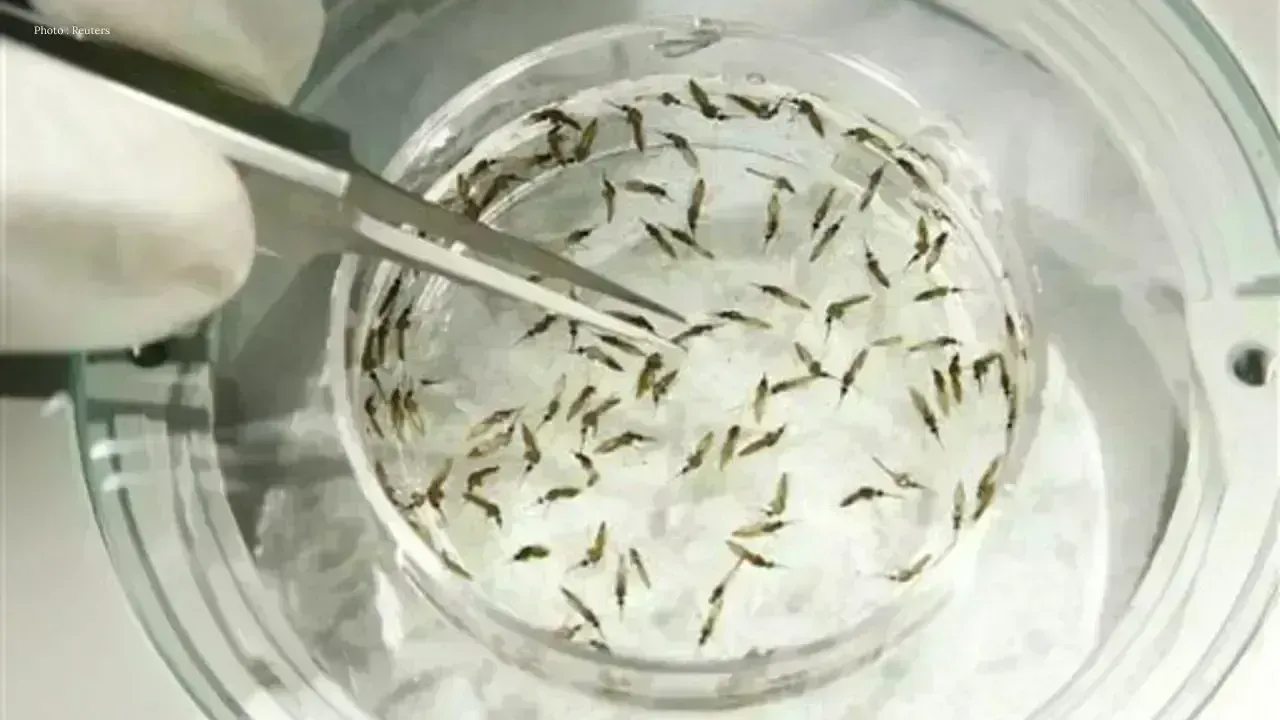
Despite potential concerns over the mass release of mosquitoes, Google and its life sciences division, Verily, clarify that only male mosquitoes, which do not go after humans, will be released. These males are carriers of a natural bacterium known as Wolbachia that disrupts reproduction when they mate with wild females, eventually reducing mosquito populations. This strategy seeks to manage dangerous mosquito species without depending on heavy chemical pesticides.
The Debug initiative began in 2016 and has been dedicated to pioneering innovative methods for mosquito control. Utilizing cutting-edge artificial intelligence and automated breeding techniques, Google aims to efficiently produce and manage vast quantities of mosquitoes. Proponents of this project believe that existing mosquito-control strategies are becoming less effective due to insect resistance to traditional pesticides, highlighting the necessity for alternative solutions.
If approved, the release will occur over two years, with approximately 16 million mosquitoes planned for Florida and another 16 million earmarked for California. The targeted mosquito species are known vectors of dangerous diseases that affect both humans and animals. Health officials stress that mosquito-related illnesses are a substantial public health threat in various regions of the United States, especially during warmer months when mosquito numbers rise.
Nonetheless, the proposal has sparked significant discussions. Some environmental advocates and local residents express concerns over the potential long-term effects on the ecosystem from introducing millions of lab-bred insects. There are apprehensions about a technology corporation taking on large-scale biological interventions. Critics urge for more research and regulatory oversight prior to any releases, while supporters cite successful trials in regions such as Singapore, where similar programs have notably decreased both mosquito populations and dengue cases.
At present, the project is under evaluation by the EPA, which is examining scientific evidence and public feedback before rendering a decision on whether to allow Google to proceed with its planned releases. If given the green light, this endeavor could emerge as one of the most significant mosquito population management initiatives implemented by a private technology firm in the U.S. The impending decision is anticipated to generate ongoing interest as authorities balance potential health benefits with environmental and community concerns.


 English