Post by : Saif
Al-Najjar
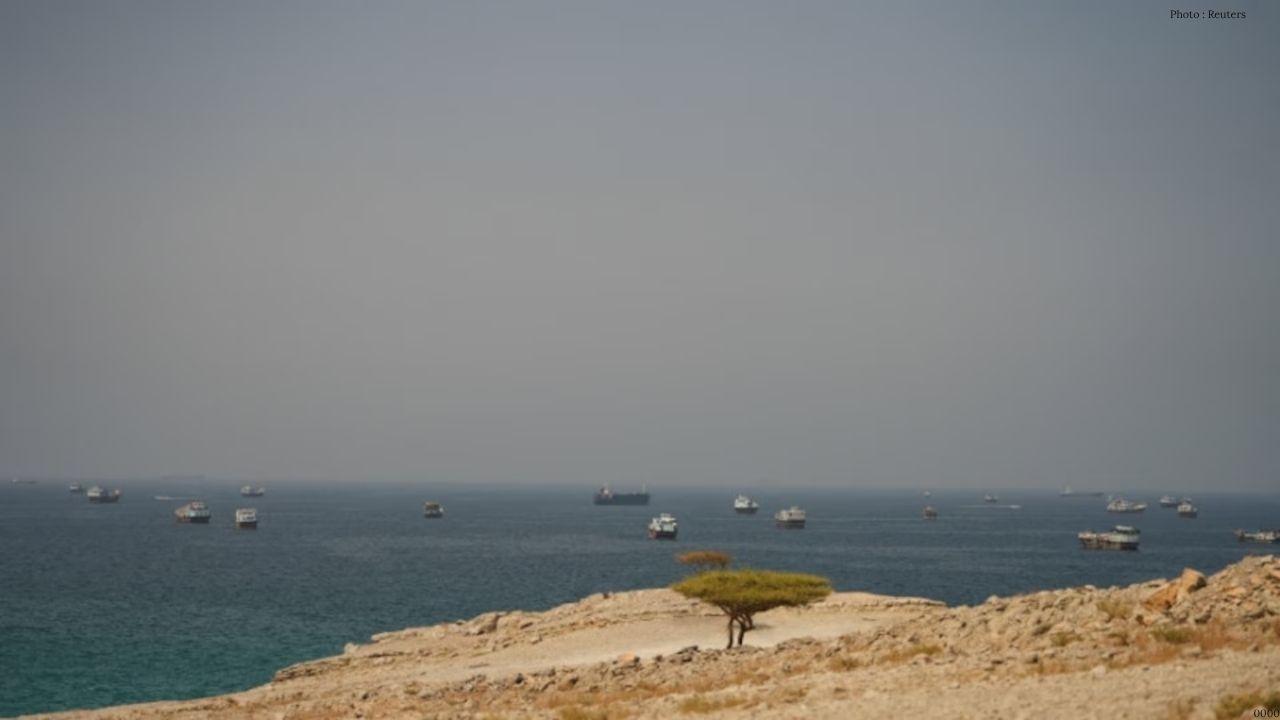
Ongoing discussions between the United States and Iran have sparked significant apprehension among Gulf states. Regional leaders are anxious that these negotiations may enhance Iran's control over the Strait of Hormuz, a crucial artery for global oil transport.
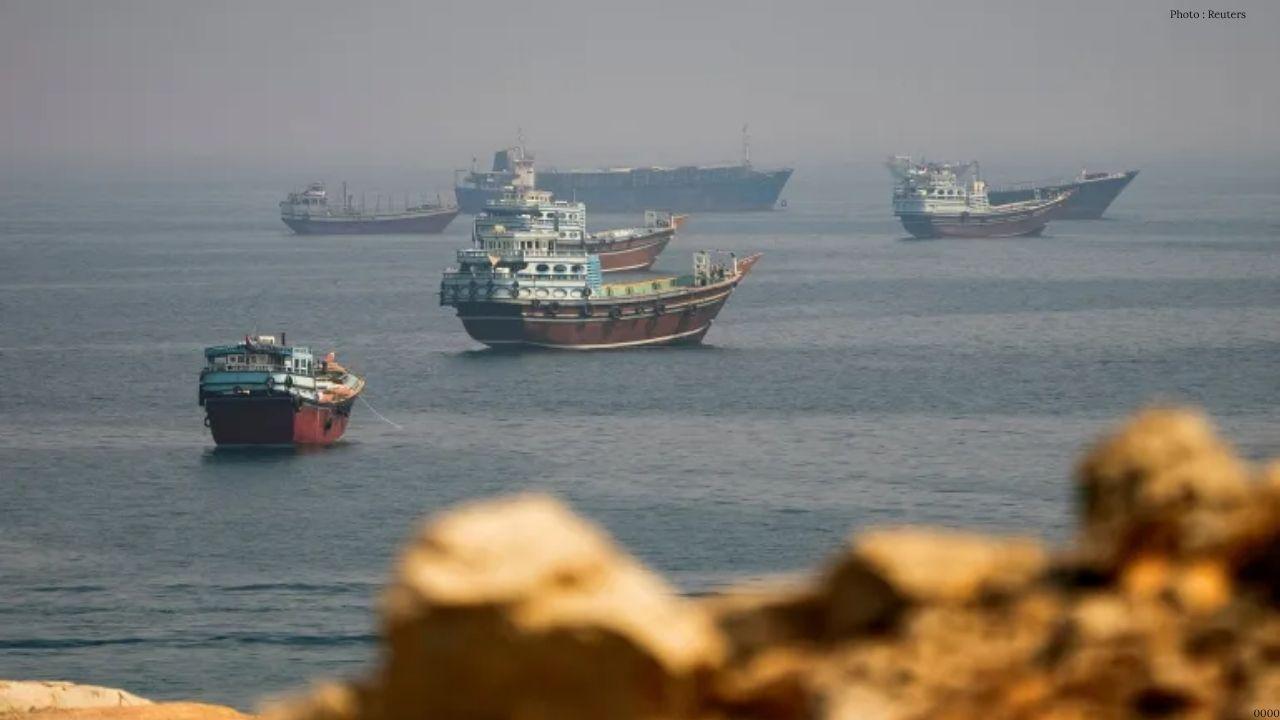
The Strait of Hormuz serves as a vital passage, facilitating the daily movement of a substantial portion of the world’s oil. Any shift in authority or sway over this narrow passage could have immediate repercussions for oil prices and the global economy. Gulf countries are particularly reliant on this route for oil exports, rendering its security paramount.
There are rising concerns from Gulf officials that the current talks may concentrate primarily on nuclear discussions, neglecting broader regional issues. These encompass Iran's military presence and its influence in neighboring territories. Failure to address these matters could allow Iran to exploit the strait strategically during periods of conflict.
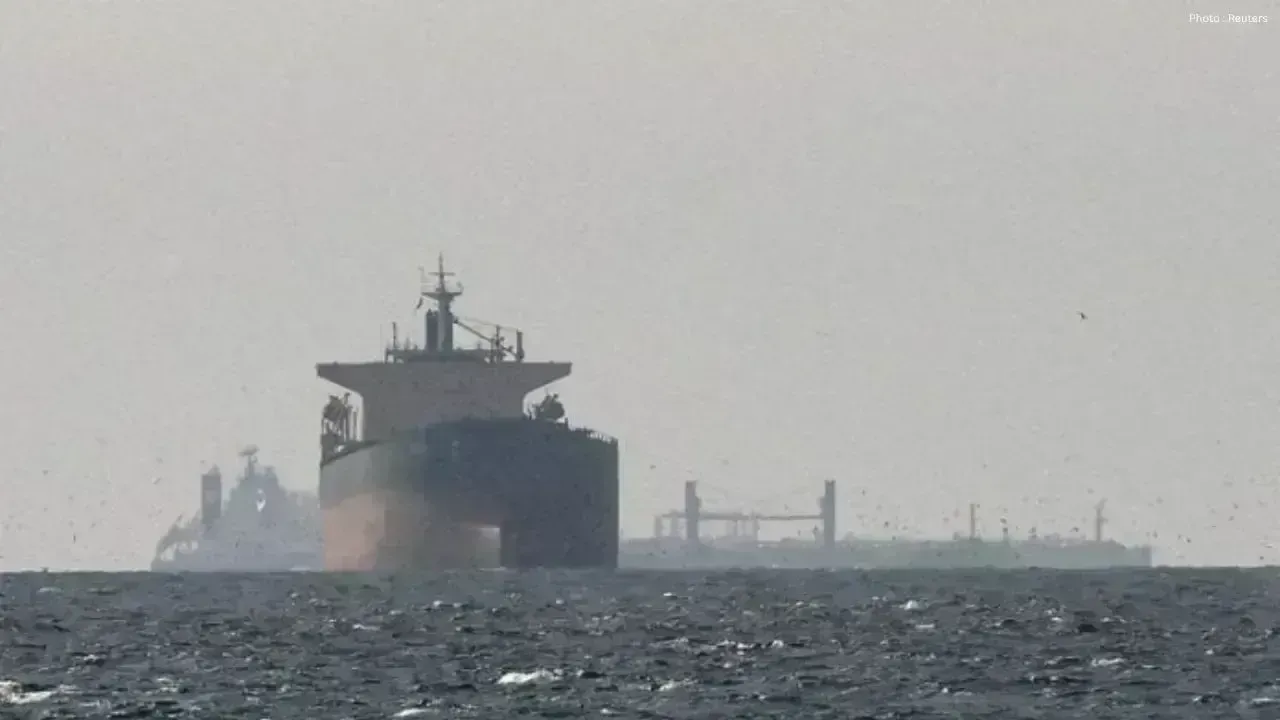
Recent incidents, such as ships being halted, warning shots issued, and disruptions in shipping, have heightened these anxieties among traders and governments alike. Minor events in the Strait of Hormuz can lead to significant fluctuations in oil supply and costs, underscoring the area's sensitivity.
Data on trade and shipping indicate a notable decline in traffic through the strait during heightened tensions, raising alarms about the rapid impact on global supply chains. Disruptions in oil flows can spike fuel costs, transport expenses, and influence daily life across numerous nations.
Another pressing issue is that Gulf nations feel excluded from the ongoing dialogue. Given their direct stake in any decisions involving the strait, they argue their insights should be integral to the discussions. Their absence raises fears that outcomes may not align with their security requirements.
Experts caution against the hasty lifting of economic sanctions on Iran, as this might inadvertently empower the nation without addressing underlying problems. A swift resolution could alleviate immediate tensions but pose long-term dangers if essential issues remain unresolved.
Meanwhile, the United States is focused on circumventing further conflict while ensuring stability within global energy markets. Diplomacy is viewed as the optimal strategy to mitigate risks. However, striking a balance between peace initiatives and the concerns of regional allies is proving challenging.
For Iran, the strategic value of the Strait of Hormuz is immense. Its geographical position affords Iran leverage over a pivotal global trade route, a factor that can be pivotal during negotiations or conflicts. Thus, the issue becomes central to any dialogue regarding regional security.
This situation underscores the complicated landscape of international diplomacy. Decisions made by key global players can have far-reaching implications, particularly in volatile areas like the Middle East. What may appear as diplomatic advancement in talks might simultaneously raise new concerns for other stakeholders.
In summary, the current US-Iran negotiations evoke a mix of optimism and apprehension. While they aim to alleviate tensions, Gulf countries fear that the resolutions may inadvertently amplify Iran's authority over this essential oil corridor. As these deliberations unfold, the global community will closely monitor the implications for regional stability.


 English