Post by : Anis
Al-Rashid
The Appeal of Quiet Natural Getaways
As popular sites become congested, travellers are turning to less-visited lakes, mountains and shorelines for calm and authenticity. These quieter places deliver a more private, grounded experience away from busy tourist circuits.
Beyond being pins on a map, these locations offer moments that slow the pace of travel. While well-known attractions face pressure from visitor numbers, small natural spots often retain the unhurried spirit of exploration.
Why Lesser-Known Sites Matter for Future Travel
Today’s travellers increasingly seek meaningful, sustainable trips. Small, secluded natural areas answer that demand by offering tranquil settings and a reduced environmental footprint.
Conservation specialists note that directing visitors to underused sites can ease pressure on famous landmarks and create new income for local communities. Thoughtful travel supports both ecosystems and cultural traditions.
Hidden Lakes: Calm Waters, Strong Impressions
Lake Bohinj, Slovenia
Often overlooked in favor of nearby attractions, Bohinj remains largely uncrowded. Nestled in the Julian Alps, it offers clear waters and alpine scenery ideal for kayaking, wild swimming and trails through flower-strewn meadows.
Crater Lake, Oregon, USA
Born from an ancient volcanic collapse, Crater Lake is among North America’s deepest and most striking. Its intensely clear water and sunrise viewpoints provide memorable visits without the bustle of bigger parks.
Gokyo Lakes, Nepal
High in the Himalayas, the Gokyo Lakes form a remote freshwater chain. At elevations above 4,700 metres, their turquoise surfaces reflect surrounding snowfields and remain less frequented than routes to Everest Base Camp.
Plitvice’s Lesser Pools, Croatia
While parts of Plitvice draw large crowds, side paths and smaller pools remain peaceful. Those who explore beyond the main circuit find quiet cascades and clear ponds away from tour groups.
Mountain Retreats: Quiet Over Clamor
Dolpo, Nepal
Dolpo is one of the Himalayas’ most untouched regions. Its remote valleys, isolated monasteries and expansive wilderness are largely free from modern development, offering a deeply solitary trekking experience.
The Apuan Alps, Italy
Less famed than the Dolomites, the Apuan Alps combine rugged limestone ridges with Mediterranean influences. Hikers can move from shaded forests to coastal overlooks within the same day.
The Drakensberg, South Africa
The Drakensberg’s towering cliffs and hidden valleys shelter ancient rock art and cascading falls. Much of the range remains remote and sparsely visited, preserving dramatic landscapes and biodiversity.
Svaneti, Georgia
Svaneti’s stone towers and mountain villages feel suspended in time. Prolonged winters and limited development have helped maintain its traditional character and challenging alpine trails.
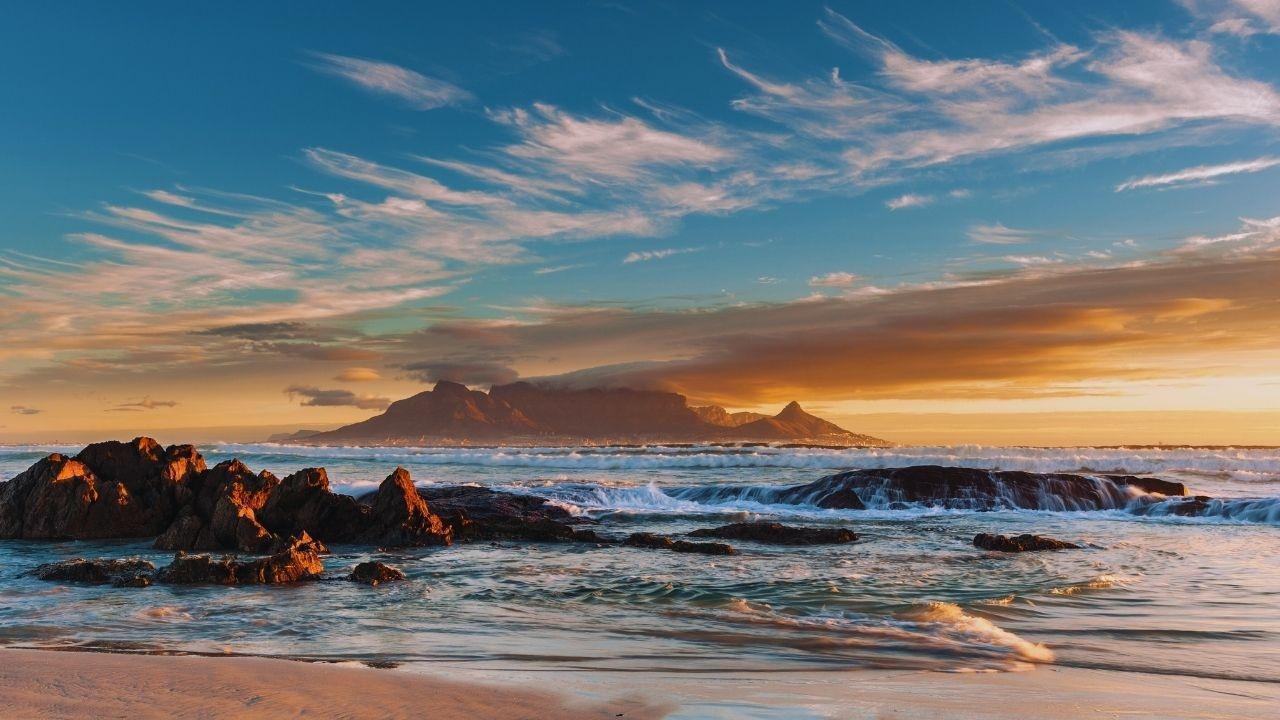
Secluded Beaches: Coastal Tranquillity
Agiassos Beach, Naxos, Greece
Away from the party islands, Agiassos offers a quiet bay, golden sand and calm waters. Local fishing and peaceful sunsets define the pace here, not nightlife or cruise-ship crowds.
Bai Tu Long Bay, Vietnam
Near Ha Long Bay but far less crowded, Bai Tu Long showcases karst islands and sheltered waterways. Kayaking and village visits let travellers engage with local life in a low-impact way.
Tarkarli Beach, India
In Maharashtra, Tarkarli is known for clear seas, coral patches and quieter shores than nearby tourist hubs. Snorkelling, diving and wildlife sightings make it appealing to nature-focused visitors.
Playa Escondida, Mexico
Hidden inside a collapsed crater on the Marieta Islands, this beach requires a short swim to reach. Its sheltered cove offers a rare, secluded coastal setting framed by cliffs.
Sustainable Exploration on the Rise
Secluded destinations are increasingly linked to responsible travel. Eco-friendly lodges, low-carbon itineraries and retreats that limit digital distractions are becoming more common.
Visitors now favour choices that lessen environmental impact—staying with local hosts, hiring regional guides, and following principles that minimise disturbance all help protect fragile places.
Technology and Responsible Discovery
Digital tools can map and explain remote routes while encouraging respectful visits. Yet sharing these places widely brings the risk of overcrowding, so discretion and local guidance remain key to preserving their character.
Nature’s Role in Personal Renewal
Quiet natural sites offer more than scenery: they promote mental calm and focus. Time spent in undisturbed settings can reduce stress and foster clearer thinking.
Standing beside a still lake or under a silent mountain range can shift perspective, connecting travellers to larger natural rhythms and encouraging mindful presence.
Practical Tips for Finding Lesser-Known Sites
1. Prioritise Local Knowledge
Community guides and residents are often the best source of authentic, off-the-radar locations. Engaging them benefits both visitors and local economies.
2. Visit in Shoulder Seasons
Travel just before or after peak months reduces crowds and lessens environmental stress while still offering good conditions.
3. Choose Community-Focused Stays
Select accommodation that hires locally, uses sustainable resources or supports conservation projects. Responsible stays help protect places and people.
4. Honour Cultural and Natural Limits
Many remote sites are culturally sensitive or ecologically fragile. Stay on marked paths, avoid loud behaviour and carry out your waste to preserve these areas.
Hidden Destinations by Continent: Quick Summary
-
Asia: Gokyo Lakes (Nepal), Bai Tu Long Bay (Vietnam), Tarkarli Beach (India)
-
Europe: Lake Bohinj (Slovenia), Apuan Alps (Italy), Svaneti (Georgia)
-
Africa: Drakensberg Range (South Africa), Lake Natron (Tanzania)
-
Americas: Crater Lake (USA), Playa Escondida (Mexico), Valle de Cocora (Colombia)
-
Oceania: Blue Lake (New Zealand), Whitsunday’s hidden coves (Australia)
Each region offers distinct landscapes where visitors can reconnect with nature’s unspoilt side.
The Personal Value of Retreating Off the Beaten Path
Many travellers now seek presence over luxury. Remote places encourage slower travel—less online distraction, fewer schedules, and more attention to surroundings.
Such journeys teach patience: you move more deliberately, notice details and find that wonder often arises from curiosity rather than convenience.
Disclaimer:
This article is for informational and inspirational purposes. Confirm entry rules, local advice and environmental restrictions before travelling. Respect for both nature and local communities is essential when visiting remote areas.


 English