Post by : Anis
Al-Rashid
When Labels Deceive More Than the Packaging
Every parent strives to provide the best for their child, opting for cereals that promise energy, snack bars that tout health benefits, and fruity beverages appearing innocent enough to be deemed wholesome. The bright packaging and reassuring claims create a false sense of security— terms like “low fat,” “no added sugar,” and “made with real fruit” become symbols of parental care, yet hidden risks lurk within.
However, childhood obesity rates are on the rise, not just in cities but also in smaller communities, affecting children regardless of their fast food consumption. The true issue extends beyond greasy meals and into lunchboxes, breakfast setups, and pantry items.
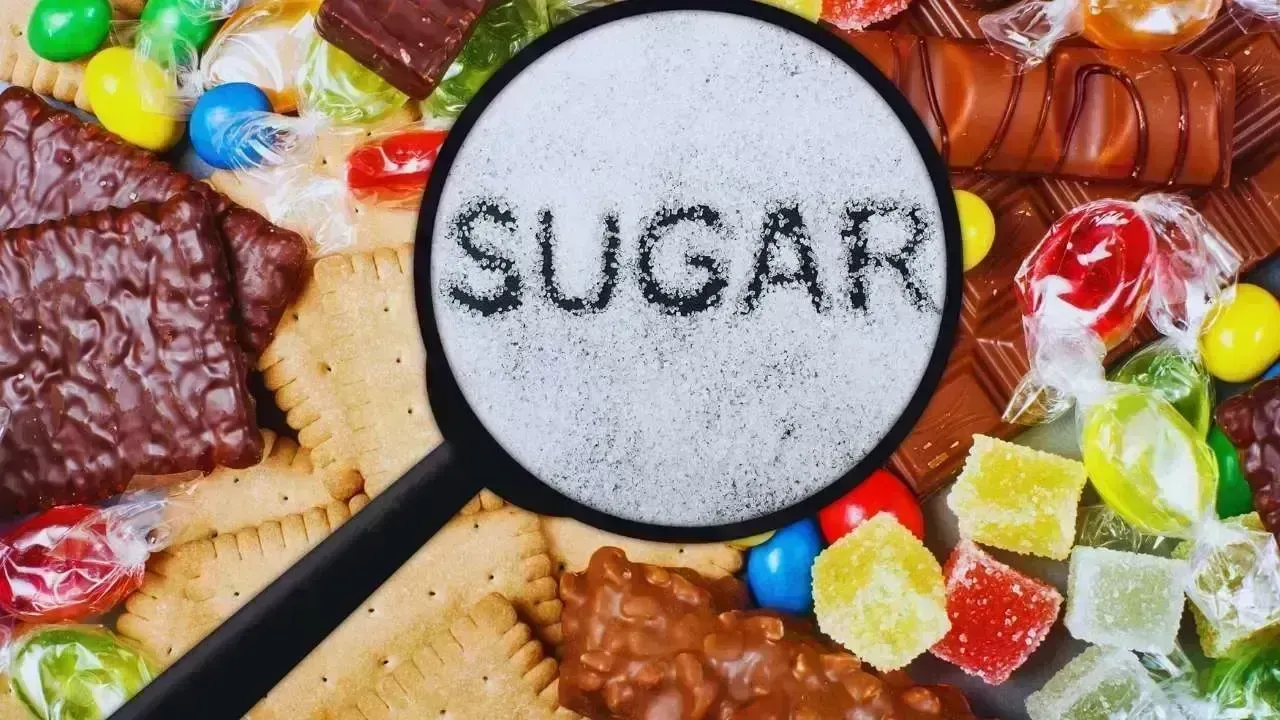
Sneaky sugars are influencing children’s health long before visible warning signs appear, often masked under terms like “natural” or “boosting energy.” By the time weight gain becomes prevalent, hidden damage could already be at play inside.
Recognizing the lurking places of sugar and understanding its impact on developing bodies is crucial, as today’s obesity epidemic is rooted not merely in what children eat but in what they unknowingly ingest.
Understanding Childhood Obesity Beyond Weight Issues
Childhood obesity transcends mere physical appearance; it represents a complex medical condition leading to lifelong health concerns.
Health Risks Tied to Excess Weight
With extra pounds, children put pressure on vital organs, which can lead to unstable blood sugar levels, elevated blood pressure, and strained breathing. Fat accumulation can also target the liver and muscles, causing early onset of issues typically seen in adults.
Emotional and Social Burdens
Children battling obesity often endure significant emotional challenges: bullying, social exclusion, and low self-worth can all affect their mental health. Food frequently becomes a comfort, thereby reinforcing unhealthy patterns.
Obesity brings along companions like anxiety, loneliness, and the tendency for emotional eating.
Spotting Sugar in Everyday Foods
Sugar is no longer restricted to desserts; it has made its way into everyday meals.
Breakfast Cereals That Mislead
Cereal boxes boast of growth and strength but often contain sugars hidden behind labels like “honey” or “fruit concentrate,” misleading parents into thinking they’re making healthier choices.
Kids starting their day with sugar face energy highs followed by rapid crashes, resulting in early cravings for snacks.
Snack Bars and Energy-Enhanced Treats
Marketed as nutritious options, many snack bars include sweeteners that elevate blood sugar levels more swiftly than traditional sweets. Packaging claims of portion control usually hide a substantial sugar load.
Flavored Drinks and Juice
Fruit juices and flavored milk can often masquerade as healthy choices, yet many options contain sugar equivalent to soft drinks, sans adequate labeling.
Processed Yogurts and 'Kid's Dairy'
Many yogurts marketed to children contain sugars disguised as fruit flavoring, misleading caregivers about their nutritional value.
Why Kids Are More Susceptible to Sugar's Effects
Growing bodies react more acutely to sugar compared to adults.
The Metabolism Challenge
Children can burn energy rapidly, yet excessive sugar disrupts their hunger signals, training their brains to associate sweetness with reward. Regulating appetite becomes harder with early exposure.
Hormones and Hunger
Sugars interfere with hormones controlling hunger and fullness, leading to more cravings than actual hunger.
The Power of Marketing Aimed at Kids
Food brands know that while parents make the purchases, children influence the choices.
Playful Characters as Marketing Tools
Characters, games, and collectibles divert attention from nutrition to entertainment, creating an association between joy and specific products.
Misleading Claims
Phrases like “natural sweeteners” or “no refined sugar” imply health, but they don’t confirm it. All sugars affect the body similarly.
Screen Time and Sugary Snacks
Higher screen time leads to increased sitting and snacking.
Snack and Screen Synergy
Children seldom snack alone while consuming screen content, making food a routine part of their viewing habits.
Reduced Activity and Increased Damage
Elevated sugar intake alongside reduced movement accelerates fat storage, creating an unsustainable calorie imbalance.
Why Fast Food Gets the Blame and Snacks Get a Pass
Fast food is easily recognized as unhealthy while pantry sugars remain concealed.
Perception vs. Reality
While burgers are seen as unhealthy, cereal bars may be mistaken as healthy despite potentially high sugar content.
The Long-Term Effects of Sugar Overconsumption in Childhood
The consequences emerge gradually.
Insulin Resistance in Youth
Excessive sugar consumption leads to the body adapting to high blood sugar levels, ultimately causing insulin resistance.
Fatty Liver Issues in Non-Drinkers
Conditions previously attributed to alcohol are increasingly prevalent among children consuming high sugar diets.
Joint Strain and Decreased Mobility
Extra weight can strain joints at a young age, causing loss of physical confidence.
Deciphering Food Labels Like a Detective
Food labels are crafted for allure, not clarity.
Count the Names, Not Just the Numbers
Sugar can appear in many forms: syrup, extract, nectar, and concentrate. Look for fewer ingredients for safer choices.
Focus on Quantity Over Marketing Claims
Disregard front-of-package claims. Examine the nutritional information for red flags.
Effective Changes Without Denial
Children need supportive changes rather than punitive measures.
Substitution Over Banning
Swap sugary cereals for oats and juice for water with fruit. Gradual change is more accepted by children.
Rethink Snack Options
Provide nuts, fruits, boiled eggs, and homemade yogurt instead.
Involve Children in Food Choices
Encourage them to read food labels. Empowering them promotes healthier habits.
Structure Meals Wisely
Establish regular meal times to prevent incessant snacking.
School's Role in Healthy Habits
Schools play a crucial role in cultivating habits.
Canteen Quality is Key
Poor options in canteens can counteract educational efforts aimed at better nutrition.
Opt for Water Over Sugary Beverages
Encouraging hydration may help distinguish thirst from hunger.
Mental Health and Sugar Dependency
The challenges posed are both emotional and nutritional.
Sugar and Mood Dynamics
High sugar levels can lead to irritability and fatigue.
Celebrate Without Sugar
Connecting celebrations to sweet treats fosters dependency. Praise should not be tied to food.
Common Parental Oversights
Good intentions do not always equate to nutritious choices.
Silencing with Snacks
While food may quiet a child, habits formed can lead to health issues later.
Assuming Kids Outgrow Poor Habits
Habits can solidify without proper guidance.
Creating a Sugar-Consistent Household
Awareness is the first step.
Model Healthy Choices
Children imitate actions more than words.
Cooking at Home When Possible
Nutritious meals address hunger better than pre-packaged foods.
Fruit Should Be Accessible
Out-of-sight options often fade from memory; ensure healthy choices remain visible.
Plan for Hunger
Prepared parents lead to prepared meals.
When Professional Help is Needed
Some signs indicate the necessity for expert guidance.
Quick Weight Changes
Don't overlook sudden weight gain.
Persistent Fatigue
Constant tiredness may suggest blood sugar irregularities.
Food as Comfort
When food replaces emotional support, risks increase.
Hope Exists Without the Burden of Perfection
This journey isn’t about guilt; it’s about awareness.
Instead of striving for perfection, gaining clarity in choices and habits is key.
Children need informed caregivers over perfect ones.
Conclusion: The Sweetest Illusion Is What We Consume Daily
Childhood obesity doesn't solely result from fast food; it originates from breakfast tables and snack areas.
Sugar hides behind nutrition claims, often unrecognized. However, once aware, families can reclaim control.
Obesity isn’t a given; it’s a tendency that can be redirected, one healthy choice at a time.
One snack, one label, and one empowered decision at a time, families can reshape their futures.
Disclaimer
This content serves informational purposes and does not substitute for professional medical advice. Parents should consult healthcare experts regarding children’s health or dietary modifications.


 English