Post by : Sami
Al-Rahmani
How to Improve Gut Health Naturally for Better Digestion
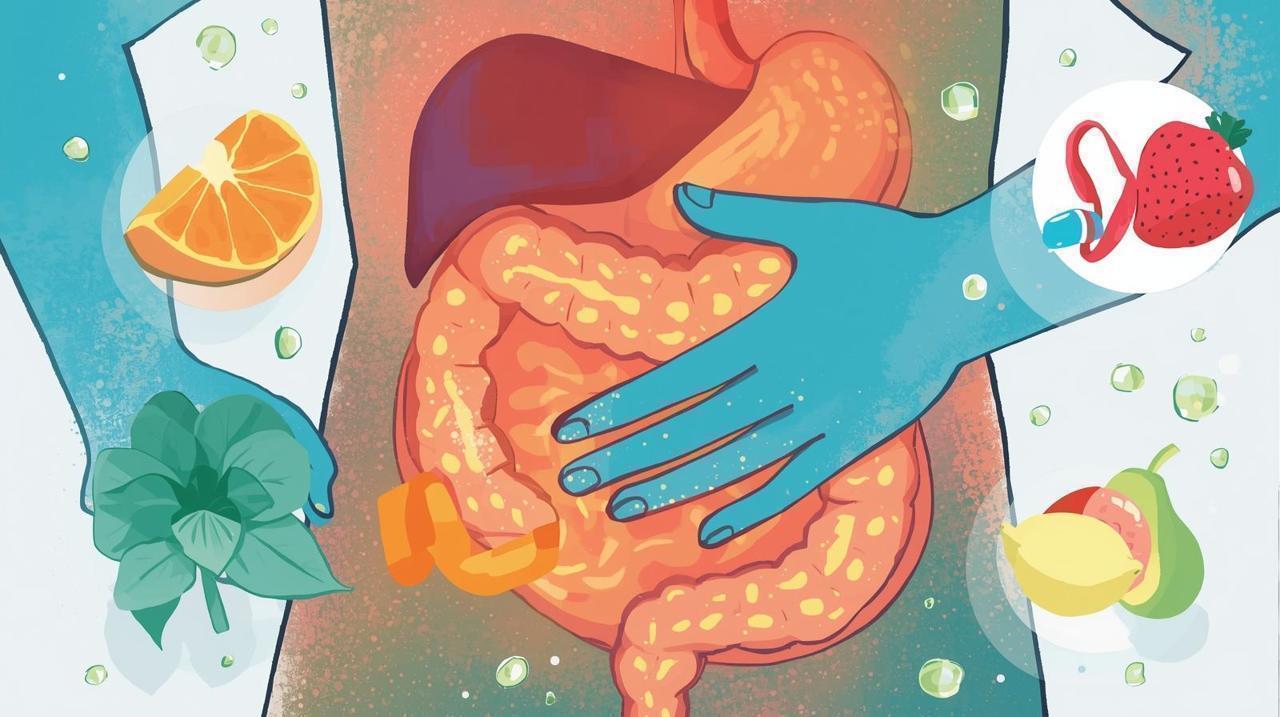
A healthy gut is the foundation of overall wellness. From digestion and immunity to mood and metabolism, your gut influences nearly every aspect of your health. In recent years, gut health has become a central topic in nutrition and wellness because scientists have discovered how deeply connected it is to the brain, immune system, and even chronic diseases.
If you often feel bloated, sluggish, or experience irregular bowel movements, your gut may be trying to tell you something. The good news is that you can restore and maintain a healthy digestive system naturally through the right diet and lifestyle choices.
This guide explores natural and science-backed ways to improve gut health and achieve better digestion.
Understanding Gut Health
Your gut, also known as the gastrointestinal tract, contains trillions of microorganisms — bacteria, fungi, and viruses — collectively called the gut microbiome. These microorganisms help digest food, produce vitamins, and protect the body from harmful invaders.
When the microbiome is balanced, your digestion runs smoothly. But when it’s disrupted by poor eating habits, stress, or antibiotics, it can lead to problems such as gas, constipation, inflammation, and even weakened immunity.
Why Gut Health Matters
Gut health is more than just avoiding digestive discomfort. It plays a vital role in:
-
Nutrient absorption – A healthy gut ensures your body gets the maximum benefit from food.
-
Immune system support – Around 70% of your immune system resides in your gut.
-
Hormone regulation – The gut helps balance hormones like serotonin, often called the “happiness hormone.”
-
Detoxification – A functioning gut helps flush out toxins and waste effectively.
When your gut is unhealthy, you may experience fatigue, mood swings, skin issues, and frequent illnesses.
Common Signs of Poor Gut Health
Before improving gut health, it’s essential to recognize the signs of imbalance. Some of the most common symptoms include:
If you experience several of these symptoms regularly, your digestive system may need support.
Natural Ways to Improve Gut Health
Here are some effective, natural ways to restore and maintain a healthy gut.
1. Eat a Fiber-Rich Diet
Dietary fiber is essential for feeding the good bacteria in your gut. Foods high in fiber act as prebiotics, helping healthy bacteria thrive. A diet rich in fruits, vegetables, whole grains, and legumes promotes smoother digestion and regular bowel movements.
Best fiber-rich foods include:
Aim to include both soluble fiber (helps soften stool) and insoluble fiber (adds bulk and prevents constipation) daily.
2. Add Probiotics to Your Diet
Probiotics are live beneficial bacteria that support your gut microbiome. Regular intake of probiotic-rich foods can restore gut balance, especially after antibiotic use.
Probiotic-rich foods include:
If you don’t consume these regularly, consider a high-quality probiotic supplement after consulting a healthcare professional.
3. Stay Hydrated
Water is crucial for healthy digestion. It helps break down food, absorb nutrients, and move waste through the intestines. Aim to drink at least 2–3 liters of water daily, and include hydrating foods like cucumber, oranges, and watermelon in your diet.
4. Limit Processed and Sugary Foods
Excessive sugar and processed foods feed harmful bacteria and yeast in your gut. Over time, this imbalance can lead to inflammation, poor digestion, and fatigue. Try to limit refined carbohydrates, artificial sweeteners, and fried foods.
Replace sugary snacks with healthier options like nuts, fruits, or yogurt. Over time, your taste buds will adapt to naturally sweet foods.
5. Manage Stress Levels
Your brain and gut are deeply connected through the gut-brain axis. Chronic stress can disrupt gut bacteria and slow digestion. Stress may even worsen symptoms of conditions like irritable bowel syndrome (IBS).
Simple stress-reducing practices include:
-
Meditation and deep breathing
-
Yoga or stretching exercises
-
Spending time outdoors
-
Listening to relaxing music
-
Maintaining healthy sleep habits
6. Get Enough Sleep
Poor sleep doesn’t just affect energy levels — it disrupts the natural rhythms of your gut bacteria. Studies show that lack of quality sleep can contribute to gut inflammation and irregular digestion.
Aim for 7–9 hours of uninterrupted sleep every night. Avoid screens before bed, maintain a consistent sleep schedule, and create a calming bedtime routine.
7. Eat Mindfully
Eating too quickly can cause bloating, gas, and indigestion. Mindful eating encourages you to slow down, chew food properly, and enjoy your meal without distractions.
To practice mindful eating:
This not only aids digestion but also prevents overeating.
8. Include Fermented Foods
Fermented foods are natural sources of probiotics and enzymes that improve digestion. Regularly consuming them helps maintain gut balance and reduces inflammation.
Popular fermented foods include:
Adding small portions daily can significantly enhance digestive health.
9. Exercise Regularly
Physical activity helps your intestines move food smoothly and supports a balanced microbiome. Even light exercise improves blood flow to the digestive organs.
Effective exercises for gut health:
Aim for at least 30 minutes of moderate exercise most days of the week.
10. Avoid Overuse of Antibiotics
While antibiotics are essential for fighting infections, overuse can destroy good gut bacteria along with the bad. Always take antibiotics only when prescribed and consider taking probiotics afterward to restore balance.
Foods That Heal the Gut
To build and maintain a healthy digestive system, focus on foods that nourish the gut lining and support beneficial bacteria.
Gut-healing foods include:
-
Bone broth (rich in collagen)
-
Garlic and onions (natural prebiotics)
-
Ginger and turmeric (reduce inflammation)
-
Berries (rich in antioxidants)
-
Whole grains like brown rice and oats
-
Leafy greens and cruciferous vegetables
These foods support digestion, reduce bloating, and promote long-term gut health.
Habits to Avoid for Better Digestion
Even if you’re eating healthy foods, some habits can harm your digestive system:
-
Eating late at night
-
Overeating or skipping meals
-
Consuming too much caffeine or alcohol
-
Not drinking enough water
-
Ignoring the urge to use the bathroom
Small lifestyle adjustments can make a big difference in your overall gut function.
When to Seek Medical Advice
If symptoms like bloating, constipation, or abdominal pain persist despite dietary changes, it’s important to consult a healthcare professional. Conditions such as IBS, food intolerances, or leaky gut syndrome may require specific treatments or tests.
Conclusion
Your gut health influences far more than digestion — it affects your energy, mood, skin, and immunity. By following a balanced diet, staying hydrated, reducing stress, and maintaining a healthy lifestyle, you can naturally improve your digestive system and overall well-being.
Building healthy gut habits takes consistency, but the rewards are lasting. Remember: a healthy gut means a healthier you.


 English