Post by : Anis
Al-Rashid
A Significant Year for India’s Renewable Energy Goals
India has reached a pivotal point in its renewable energy journey by adding an impressive 31.25 GW of clean energy capacity within a single year. This accomplishment highlights the rapid transformation of the power sector, driven by supportive policies, private investments, and increasing demand for sustainable energy solutions.
This substantial addition not only bolsters India's electricity supply but also solidifies its status as one of the fastest-growing renewable energy markets globally. Solar power stands as the core driver behind this expansion, reshaping the landscape of the country's energy mix.
Examining the 31.25 GW Capacity Addition
Solar Power: The Leading Contributor
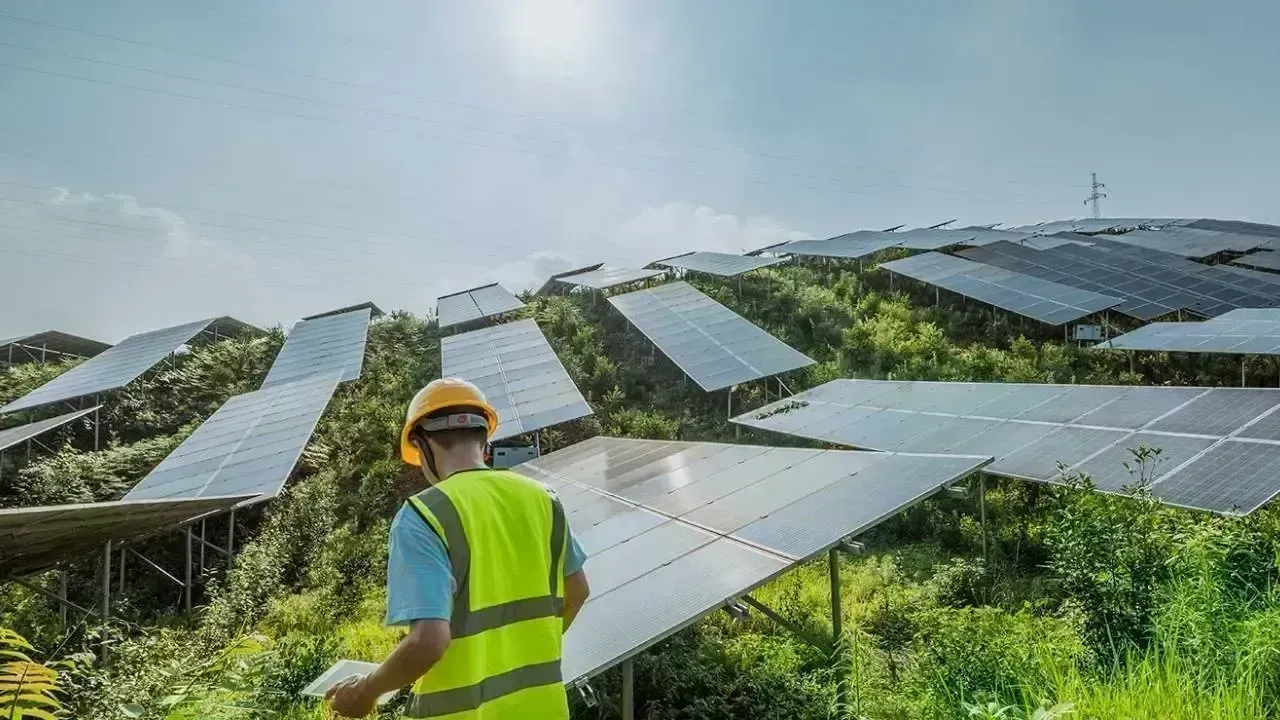
Solar energy has contributed the largest portion to this new capacity. The growth was primarily fueled by utility-scale solar parks, rooftop installations, and hybrid projects, showcasing solar's competitive pricing and adaptability.
Decreasing panel costs, enhanced efficiency, and quicker project timelines have made solar the go-to choice for developers. Consequently, numerous states reported significant upticks in solar installations over the past year.
Role of Wind and Other Renewables
While solar took center stage, wind energy also made a valuable contribution to the overall increase. Wind projects, particularly in coastal and high-wind areas, continued to grow, supported by repowering efforts and hybrid models combining wind and solar.
Additional renewable sources such as small hydro and biomass provided incremental capacity, aiding in the diversification of the clean energy portfolio.
Policy Support Driving Expansion
Government Goals Propel Growth
India's ambitious renewable energy targets have been crucial in accelerating capacity increases. Clearly defined long-term goals instill confidence in investors, encouraging broad participation across the sector.
Favorable policies concerning land use, grid connectivity, and competitive bidding have lowered project risks, enabling faster project realizations.
Enhancing Domestic Production
Domestic manufacturing incentives have bolstered local production of solar components. This initiative has diminished reliance on imports while generating employment and enhancing the renewable energy ecosystem.
Efforts to boost local manufacturing align with wider economic goals and concurrently support clean energy growth.
Solar Power's Growing Influence
Competitive Edge Over Conventional Energy
One of the pivotal factors behind solar's swift ascent is its decreasing cost. Solar power tariffs are becoming increasingly attractive, often undercutting conventional fossil fuel generation.
This price advantage has led utilities and businesses to enter into long-term solar power purchase agreements, thereby ensuring sustained demand for new projects.
Speed and Scalability of Solar Deployment
Compared to other power generation methods, solar projects can be executed more swiftly. Large-scale solar parks can be activated in relatively short timeframes, making solar a compelling option to satisfy growing electricity demand.
This scalability has been vital in achieving record annual capacity increases.
State-Level Dynamics
Solar-Leading States Make Strides
States known for their solar potential and proactive policies emerged as key players in the clean energy surge. Ample land availability, favorable sunlight conditions, and expedited approvals facilitated installations.
These states have become attractive locations for renewable energy investments, drawing both domestic and international developers.
Emerging Regions Join the Clean Energy Movement
Besides the traditional renewable frontrunners, newer regions have also marked significant growth. Enhanced grid infrastructure and aligned policies have allowed broader participation in the clean energy initiative.
This geographical diversification promotes grid stability and mitigates regional energy disparities.
Impact on Energy Independence and Economy
Less Dependence on Fossil Fuels
The addition of 31.25 GW of clean energy significantly diminishes reliance on imported fossil fuels. This shift enhances energy independence and protects the economy from fluctuations in global fuel prices.
In the long run, a higher penetration of renewables is expected to lower overall power generation costs and enhance supply reliability.
Job Opportunities and Economic Growth
The renewable energy sector has emerged as a significant source of employment, spanning manufacturing, construction, and maintenance. The clean energy boom offers chances across various skill levels.
Auxiliary industries such as energy storage, grid management, and green hydrogen are also experiencing growth.
Challenges in Grid Integration and Storage
Addressing Intermittency Issues
With the growth of renewable capacity comes the need to manage intermittent generation. Solar and wind generation's reliance on weather conditions necessitates advanced grid management practices.
Investments in smart grid technology and flexible generation sources are becoming essential.
Importance of Energy Storage
Battery storage and pumped hydro solutions are increasingly recognized as vital components of the clean energy network. Storage capabilities allow for improved utilization of renewable resources and enhance grid reliability during periods of high demand.
In the coming years, growth in energy storage capacity will likely accelerate alongside renewable advancements.
India's Global Climate Obligations
Progressing Towards Net-Zero Targets
The substantial addition of clean energy aligns with India's climate commitments. Expanding renewable capacity is pivotal in decreasing carbon emissions and transitioning to a low-carbon economy.
Every year of robust capacity addition propels the nation closer to its sustainability objectives.
Enhancing Global Leadership
India's renewable expansion solidifies its role as a global leader in the clean energy sector. The scale and pace of its growth set a benchmark for other emerging economies aiming for sustainable development.
Ongoing Challenges
Obstacles in Land and Infrastructure
Despite significant progress, challenges regarding land acquisition and transmission infrastructure persist. Tackling these issues is necessary to maintain high growth rates in the future.
Financing and Execution Issues
Large-scale renewable projects demand extensive capital investment. Although investor interest remains strong, timely financing and project execution are crucial factors.
Future Outlook for India's Clean Energy Sector
Continued Growth Driven by Solar
Solar power is expected to continue leading India's clean energy growth. With ongoing innovations and declining costs, solar installations are likely to increase further.
Rise of Hybrid and Storage-Integrated Projects
Growth strategies are anticipated to pivot towards hybrid projects integrating solar, wind, and storage solutions for enhanced reliability and improved grid compatibility.
Conclusion: A Key Milestone in India's Energy Evolution
India's addition of 31.25 GW of clean energy signifies more than just a number; it represents a profound shift towards a sustainable future powered by solar initiatives, supportive policies, and increasing investor trust.
While challenges remain, the momentum gained this year lays a strong groundwork for ongoing progress. As solar continues to forge ahead, India's clean energy narrative is evolving into one of scale, resilience, and global importance.
Disclaimer
This article serves informational purposes only. Energy capacity figures are based on reported data and could be revised as official updates are released.


 English