Post by : Raina
Al-Fahim
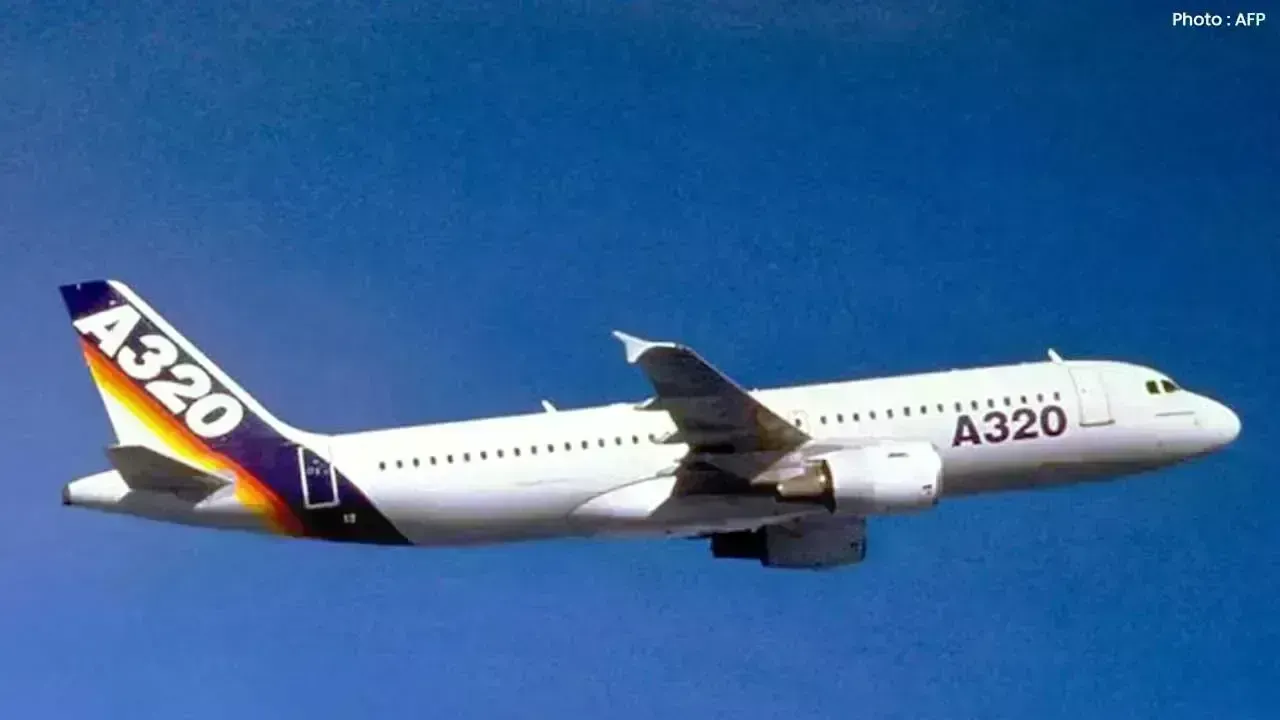
Major Indian airlines, notably Air India and IndiGo, have initiated urgent inspections on their Airbus A320-family aircraft after the European Union Aviation Safety Agency (EASA) released a pivotal emergency airworthiness directive. This action comes in response to a concerning midair incident that highlighted issues with a critical flight control system used in numerous Airbus planes globally.
Sources in the aviation sector revealed that both Air India and IndiGo commenced immediate checks upon receipt of the alert. The airlines guaranteed that mandatory updates would be completed by the end of the day, aiming to avoid significant disruptions to flights. Officials noted that potential delays from these inspections would be kept under 30 minutes.
The EASA directive effectively grounds nearly 6,000 Airbus A320-family aircraft worldwide until a necessary fix is implemented. This includes models A318, A319, A320, and A321 that are commonly employed in both domestic and international flights.
India's Directorate General of Civil Aviation (DGCA) released an urgent notice directing airlines to examine and replace a component known as “ATA 27,” which is associated with flight controls and the elevator aileron computer.
Air India confirmed that its engineering teams have been proactively working to execute the updates on the affected aircraft. As per their statements, over 40 percent of their fleet has already received the required updates, and they are confident of adhering to the EASA deadline, clarifying that no flights have faced cancellations due to this safety initiative.
IndiGo, holding the largest fleet of A320-family aircraft in India, reported that it has successfully completed the mandatory updates for 160 of its 200 planes. The airline emphasized its commitment to ensuring all aircraft meet compliance within the assigned timeline for safe operations.
Reason Behind the Global Alert
This urgent directive arose following a worrying incident last month involving a flight from Cancun to Newark. An Airbus A320, cruising at an altitude of 35,000 feet, unexpectedly pitched nose-down without pilot command, resulting in a rapid decrease in altitude. Thankfully, the aircraft managed to divert successfully to Tampa, yet the event spotlighted a significant safety risk.
Investigators identified the issue as stemming from a fault in the elevator aileron computer (ELAC), a vital system converting pilot commands into movements of the aircraft's wings and tail. Airbus indicated that intense solar radiation was capable of corrupting data in the newly updated software of the ELAC, potentially leading to uncommanded maneuvering and structural stress.
Airbus mandated that any aircraft fitted with older ELAC models should install the upgraded ELAC L103 Plus version before their subsequent commercial flight. Only non-passenger repositioning flights are allowed to transfer these aircraft to maintenance.
This situation has garnered significant attention within the aviation industry, with safety organizations and airlines prioritizing the issue. The affected Indian airlines have assured their customers that their fleets remain secure and fully operational, with updates progressing swiftly.


 English