Post by : Saif
Al-Najjar
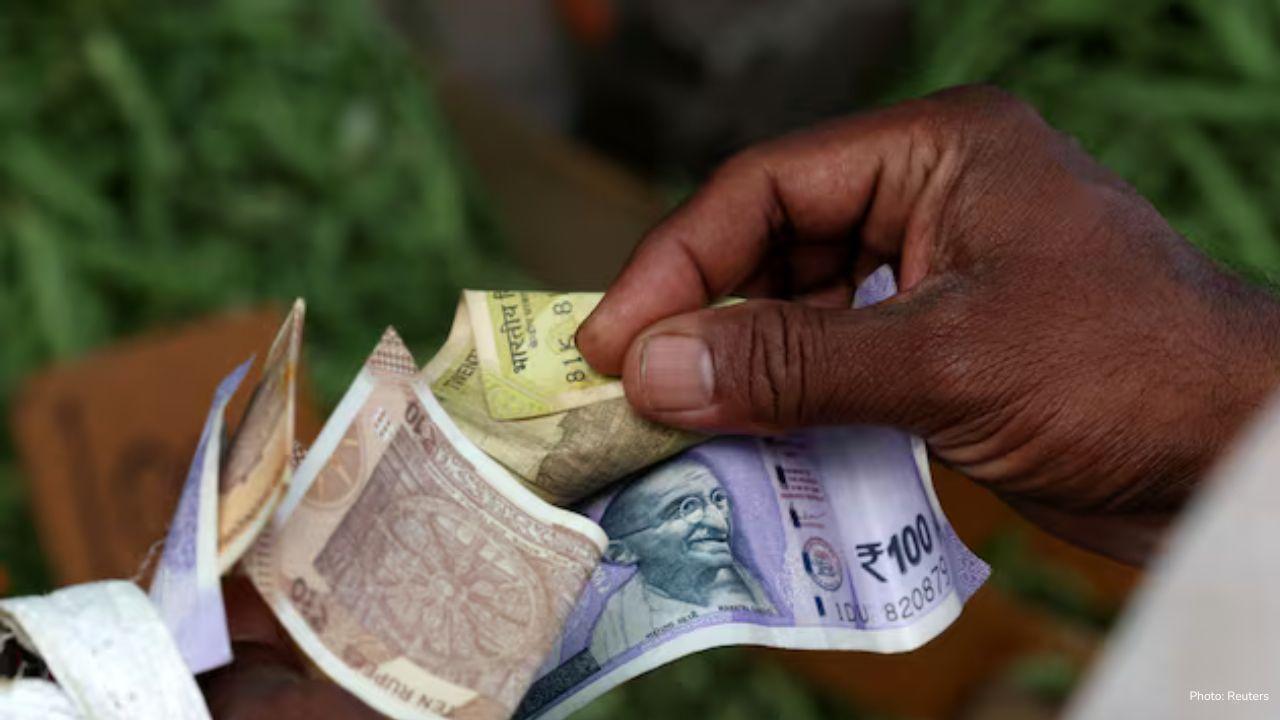
The Indian rupee fell to a record low on Tuesday, hitting 88.62 against the U.S. dollar. This decline is the worst in history for the currency, surpassing the previous record of 88.4550 set just two weeks ago. The fall in value comes at a time when multiple factors are putting pressure on India’s economy and financial markets.
A major factor behind the rupee’s drop is the U.S. government’s recent increase in H-1B visa fees. This change could reduce the number of Indian workers deployed to U.S. clients, which may affect the revenue and profitability of India’s IT sector. Investors are concerned that this could lower foreign investment in Indian IT firms and hurt overall equity flows.
Lower deployment of Indian workers abroad may also reduce remittances, a key source of U.S. dollar inflows into India. Remittances help stabilize the rupee, and any reduction in these funds adds to pressure on the currency.
Trade tensions are another factor affecting the rupee. India faces 50% U.S. tariffs on some goods, the highest among Asian countries. These tariffs are expected to reduce India’s exports, further weakening dollar inflows and adding to external economic pressures.
Analysts say the Reserve Bank of India (RBI) has been managing the situation carefully. Rather than defending a specific exchange rate, the central bank has intervened in the market to support the rupee in a controlled way. This strategy allows the currency to weaken gradually without causing sudden disruptions in the market. On Tuesday, the RBI likely sold dollars through state-run banks near the 88.50 level to provide temporary support.
Even as the rupee declines, experts note that India’s economic fundamentals remain relatively strong. Inflation is projected to stay around 4–4.5% in the fiscal year 2026–27. This means that a slow and measured decline in the rupee can be managed without creating serious economic problems.
The rupee’s performance so far this year has lagged behind other Asian currencies. It has not benefited from the recent weakening of the U.S. dollar. Heavy U.S. tariffs on Indian goods and reduced foreign capital inflows have further weighed on the currency. Foreign investors have withdrawn more than $15 billion from Indian equities in 2025, signaling cautious sentiment in the markets.
In summary, the Indian rupee is under pressure due to a combination of higher U.S. visa fees, strong tariffs, and limited dollar inflows from trade and remittances. The Reserve Bank of India is taking steps to manage the decline carefully, but investors and businesses will need to watch the situation closely in the coming months.


 English