Post by : Anis
Al-Rashid
Photo: PMI
Revolutionizing Governance in India
As governance metrics increasingly emphasize efficiency and accountability, India’s PRAGATI platform emerges as a transformative tool. By streamlining bureaucratic processes, PRAGATI is becoming an essential component of India's governance framework.
Celebrating a notable milestone in 2026, the platform underscores the efficacy of technology in governance, demonstrating measurable impacts in a nation characterized by its vastness and complexity. Initially a digital monitoring initiative, it has evolved into a pivotal mechanism influencing project execution across various sectors.
Introducing PRAGATI
The Framework Explained
PRAGATI, which stands for Pro-Active Governance and Timely Implementation, fosters direct dialogue among the Prime Minister's Office, different ministries, state governments, and local administrations.
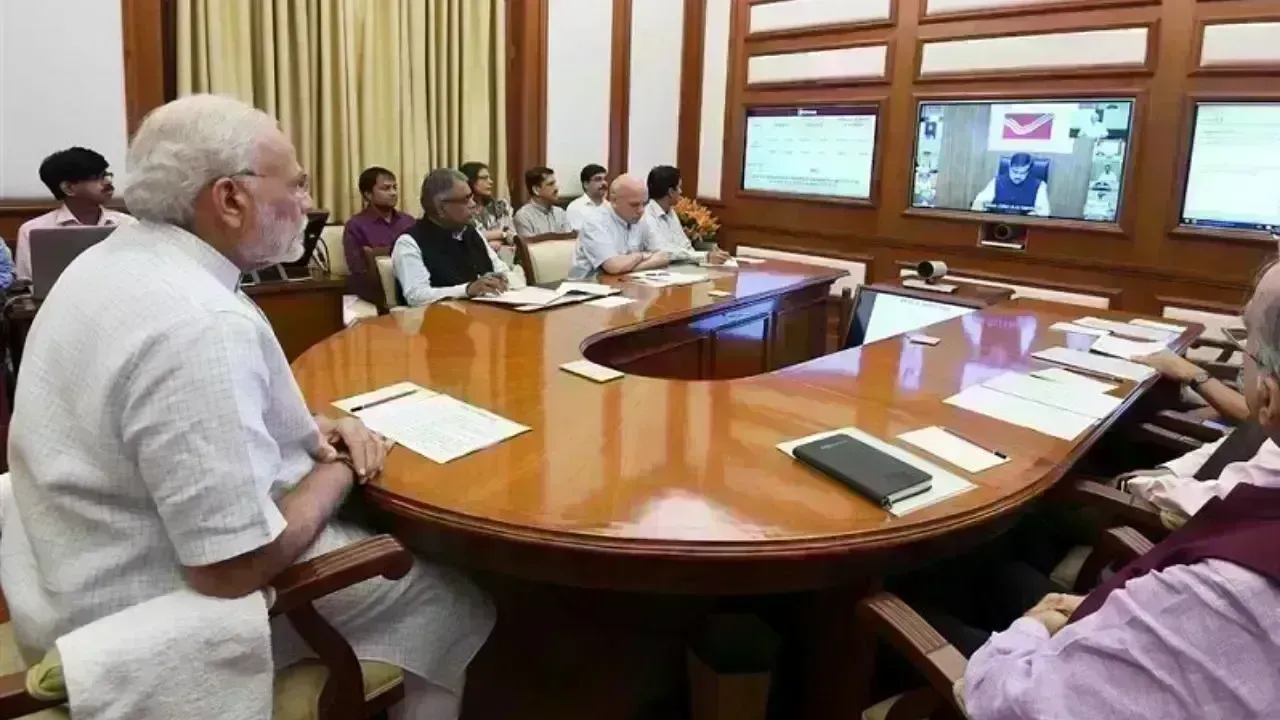
Functioning primarily as a real-time review system, PRAGATI facilitates video conferences led by Narendra Modi, where vital projects and public concerns are evaluated and addressed.
Multiple Goals on One Platform
This platform encapsulates three significant governance aspects:
-
Evaluation of vital infrastructure and welfare projects
-
Resolution of conflicts between ministries and Centre-State
-
Addressing long-standing public complaints
This integration transcends mere monitoring; it serves as a crucial decision-making instrument.
The Necessity for PRAGATI
Addressing Delays and Disarray
Indian governance has long been plagued by project lagging, interdepartmental lack of coordination, and accountability voids. Infrastructure and societal endeavors often faced hurdles due to bureaucratic delays or inter-governmental disagreements.
PRAGATI was envisioned to combat these challenges by ensuring unresolved issues received direct scrutiny from the Prime Minister.
Focusing on Results
The previous approach to governance focused on paperwork and correspondence. PRAGATI changes that focus to emphasize results, deadlines, and responsibilities, infusing a sense of urgency into the operation.
Operational Mechanics of PRAGATI
Structured Accountability
Each PRAGATI meeting is agenda-driven. Selected projects and complaints are discussed with key officials from relevant departments and states in attendance.
These officials must account for project statuses, delays, and adhere to specific timelines—often during the discussions themselves.
Technology as a Catalyst
The platform embraces digital dashboards, GIS mapping, and live data for evidence-based discussions, drastically reducing ambiguity.
2026: A Defining Year
Achievements Realized
By 2026, PRAGATI had successfully reviewed countless projects and thousands of grievances within sectors like infrastructure, energy, transport, education, and health.
This milestone illustrates its longevity and institutional establishment—PRAGATI has transitioned from a mere initiative to a systematic approach.
Integration at All Levels
A significant triumph has been the seamless integration of state and district levels, ensuring governance extends beyond New Delhi.
Boosting Infrastructure Development
Facilitating Major Projects
PRAGATI has had a substantial impact on bypassing obstacles in highways, rail corridors, ports, and urban development initiatives. Challenges surrounding land acquisition and environmental approvals have seen expedited resolutions through high-level intervention.
Mitigating Cost Overruns
By catching delays early and instilling accountability, the platform has been effective in minimizing cost escalations, a common issue in large public undertakings.
Enhancing Cooperative Federalism
Innovating Centre-State Relations
PRAGATI promotes cooperative problem-solving as opposed to conventional top-down evaluations. State administrations can directly interact with central authorities, decreasing procedural obstacles.
This approach has fortified cooperative federalism, transforming review sessions into constructive conversations rather than blame-focused endeavors.
Addressing Public Complaints
Highlighting Citizen Concerns
Beyond large projects, PRAGATI also tackles long-standing citizen grievances that span multiple departments, effectively resolving numerous long-unattended cases.
Restoring Public Trust
For citizens, this platform guarantees that issues reach the highest governmental levels, revitalizing trust in administrative responses.
Real-Time Accountability
Identifiable Responsibility
A hallmark of PRAGATI is its focus on personal accountability. Each issue has designated officials, and timelines are closely monitored.
This framework has altered the administrative culture, rendering justifications for delays more difficult.
Performance Metrics
PRAGATI emphasizes that governance performance is quantifiable, allowing for continuous monitoring and follow-up.
Shifting Bureaucratic Mindsets
Encouraging Proactive Decision-Making
The platform pushes officials to step away from excessive risk-aversion, encouraging proactive choices instead of merely pushing paper.
Empowering Local Officials
District collectors and local officials gain direct access to decision-makers, ensuring ground realities are acknowledged and addressed.
Data-Driven Governance
Enhancing Quality through Metrics
PRAGATI sets a standard for how data and digital solutions can enhance governance. Conversations are supported by metrics, maps, and progress updates instead of subjective findings.
Leading E-Governance Examples
Internationally, PRAGATI is frequently noted as an exemplary model of digital platforms improving executive oversight without undermining institutional processes.
Challenges and Limitations
Centralization Concerns
Critics argue that an overemphasis on high-level assessments could centralize decision-making authority and potentially compromise institutional autonomy.
Scalability Issues
While PRAGATI is effective for priority projects, its model might not be applicable for routine administrative tasks.
Mitigating Criticisms
Selective Application
Advocates maintain that PRAGATI is tailored for critical issues rather than everyday governance, ensuring focus without extending beyond its intended reach.
Complementary Role
The platform acts as an adjunct to current administrative structures rather than a replacement, fostering oversight without dismantling existing frameworks.
PRAGATI's Role in Governance Vision
Linking to Digital India
PRAGATI aligns seamlessly with India's overarching Digital India agenda, demonstrating how technology can enhance governance effectiveness.
Connecting Policies to Execution
The platform effectively bridges the gap between policy formulation and real-world implementation, addressing one of the weakest points in public administration.
Unique Aspects of PRAGATI
Authority and Accountability
With the Prime Minister’s direct involvement, PRAGATI possesses unmatched authority, ensuring that decisions made are acted upon.
Outcome-Focused Approach
Different from traditional review systems, PRAGATI emphasizes results and resolution rather than repetitive examinations.
Insights for Other Democracies
Governance Framework for Others
Countries encountering bureaucratic challenges can utilize insights from PRAGATI's design and execution strategies.
Political Will Meets Technology
PRAGATI exemplifies the necessity of both technology and political will for effective governance reform.
Future Paths
Enhancing Analytical Functions
Upcoming versions can incorporate advanced analytical tools and predictive techniques to identify delays before they occur.
Increasing Citizen Engagement
There remains potential to advance the citizen interface, fostering greater public involvement in grievance resolution.
Redefining Governance Milestones
As PRAGATI reaches this significant milestone in 2026, it reflects a profound transition in Indian governance—moving from reactive methods to proactive solutions. By amalgamating technology, authority, and responsibility, this platform reshapes decision-making and implementation.
In a framework often criticized for stagnation, PRAGATI serves as a testament to the possibilities of governance reform achievable when intention meets effective execution.
Disclaimer
This article serves informational and editorial purposes only. Actual governance results may differ based on policy decisions, administrative capabilities, and changing institutional frameworks. For official updates, consult recognized government communications.


 English