Post by : Anis
Al-Rashid
India's Tourism Surge: A Defining Moment in 2026
After facing years of interruptions and travel hesitancy, India’s tourism sector is witnessing a remarkable revival in 2026. Both domestic and international travel demand has skyrocketed, bolstered by enhanced connectivity, digital travel options, visa reforms, and a renewed emphasis on memorable experiences over material possessions.
Today's tourism landscape transcends mere leisure; in 2026, it serves as a catalyst for job creation, regional growth, and cultural engagement. Offering a wide variety of experiences from pilgrimage routes to eco-tourism, India's tourism revival spans multiple offerings and is picking up pace.
Driving Forces Behind India's 2026 Tourism Boom
Several key changes are fueling this resurgence:
-
Rising disposable incomes and a shift towards travel-focused expenditure
-
Upgraded highways, airports, and improved regional links
-
A strong emphasis on spiritual and heritage tourism
-
Increasing global fascination with experiential and sustainable travel
-
Social media's role in discovering new destinations
These elements combined are revitalizing both renowned and off-the-beaten-path travel locations.
Leading Travel Hotspots in India's 2026 Tourism Revival
Kashmir: From Crisis to Record Visitors
Kashmir has become one of the most popular destinations in 2026, showcasing remarkable recovery.
Factors Behind Kashmir's Boom
-
Enhanced perception of safety
-
Promotion of year-round tourism
-
Growth of winter sports and snow tourism
-
Better flight connections
From Gulmarg's slopes to Dal Lake's houseboats, Kashmir is reclaiming its status as an all-season tourist favorite.
Ayodhya: A Center for Spiritual Tourism
Ayodhya has rapidly developed into a leading tourism destination.
Drivers of Growth in Ayodhya
-
Completion of essential religious infrastructures
-
Enhanced road, rail, and airport access
-
Dramatic increase in domestic pilgrimage traffic
Ayodhya's transformation also stimulates local economies, hospitality, and employment opportunities.
Varanasi: The Intersection of Spirituality and Global Tourism
Varanasi consistently draws large domestic and international crowds.
Why Varanasi Remains a Timeless Attraction
The city's fusion of ancient culture and modern amenities makes it one of India's most captivating places in 2026.
Lakshadweep: A New Contender in Island Tourism
Lakshadweep has emerged as a prime destination rivaling traditional international island spots.
Why Lakshadweep Is Gaining Popularity
-
Glistening waters and vibrant coral reefs
-
Eco-friendly tourism policies
-
Selective capacity and premium travel experiences
Through regulated growth and high-end offerings, Lakshadweep positions itself as India's alternative to the Maldives.
Rajasthan: A Modern Take on Heritage Tourism
Rajasthan continues to flourish by updating its traditional charm.
New Developments in 2026
-
Palatial accommodations and immersive stays
-
Cultural showcases and desert adventures
-
Luxury railway experiences
Destinations like Jaipur, Udaipur, and Jaisalmer remain attractive to both domestic and international travelers.
North East India: The Emerging Tourism Frontier
In 2026, the Northeastern states of India are stepping into the tourism limelight.
Popular Rising Destinations
-
Meghalaya – Known for waterfalls and eco-adventures
-
Sikkim – Praised for pristine tourism and mountain retreats
-
Arunachal Pradesh – Famous for uncharted landscapes
Improved airline services and tourism initiatives are maximizing the region's potential.
Goa: Beyond the Beaches
Goa is redefining itself beyond its party-centric image.
Goa's Evolution in 2026
-
Emphasis on wellness and yoga retreats
-
Promotion of monsoon tourism
-
Exploration of heritage villages and rural areas
This diversification strategy has helped Goa maintain year-round appeal.
Kerala: Leading in Sustainable Tourism
Kerala continues to excel as a leader in responsible tourism efforts.
Kerala’s Unique Value Proposition
-
Famous for backwaters and Ayurveda.
-
Community-driven eco-tourism
-
Strong branding on an international scale.
Kerala's approach demonstrates how sustainability and tourism advancement can harmoniously coexist.
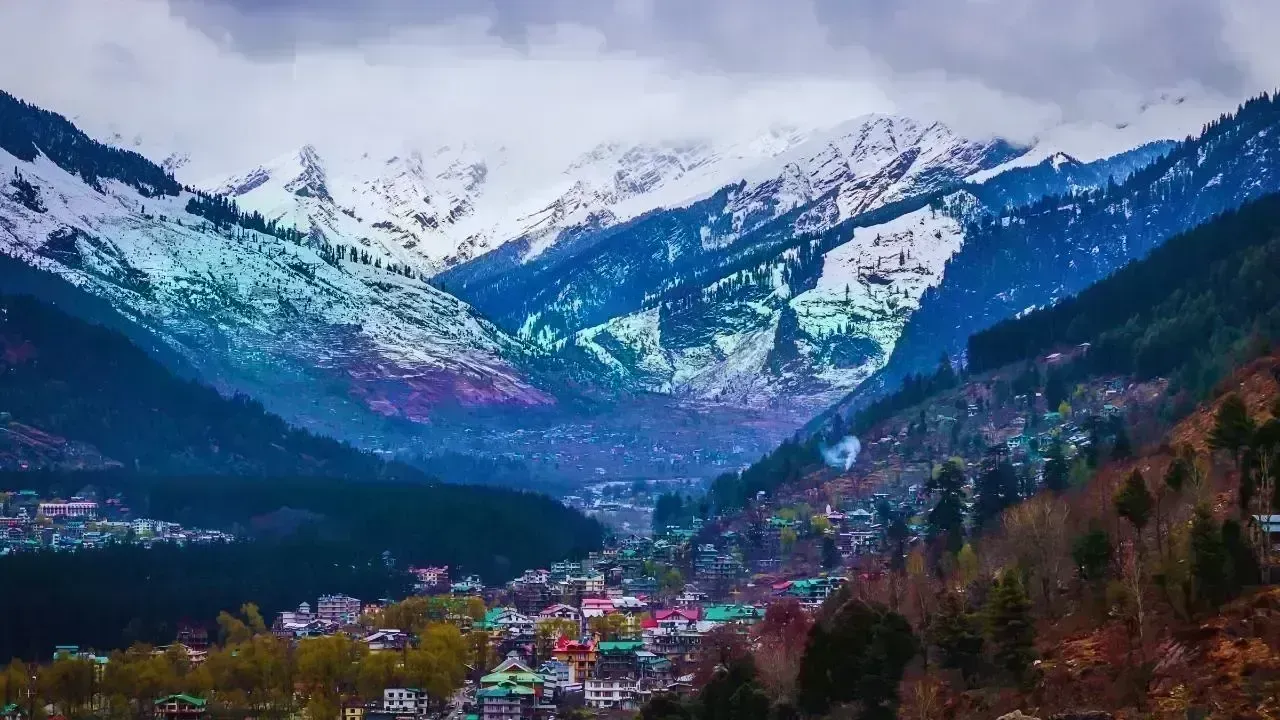
Himachal Pradesh & Uttarakhand: Evolving Mountain Tourism
Himachal Pradesh and Uttarakhand are maintaining significant tourist interest.
Key Trends Observed
-
Emergence of work-from-the-mountains culture
-
Adventurous tourism opportunities
-
Char Dham and spiritual circuit opportunities
Authorities focus on effective crowd management while preserving environmental balance.
International Visitors Return to India
In 2026, India is witnessing an influx of international tourists, driven by:
-
Streamlined visa processes
-
Increased interest in wellness and spiritual travels
-
Competitive pricing in comparison with global destinations
Major cities like Delhi, Mumbai, Agra, and Jaipur serve as key entry points.
Infrastructure Transformation Enhancing Travel Experiences
Substantial investments have been made in:
-
New airports and regional flight paths
-
Expressways and highway upgrades
-
Advancements in digital ticketing and tourism applications
These modernizations have alleviated travel hassles and encouraged multi-destination journeys.
Economic Contributions of Tourism in 2026
The tourism sector is now a significant contributor to:
This growth is benefiting hospitality, transportation, crafts, and other local enterprises.
Emerging Challenges Amid Growth
Despite the ongoing boom, several challenges remain:
Sustainable strategies will be essential for ongoing success in tourism.
2026 Travel Trends on the Rise
-
Preference for slow travel and extended stays
-
Desire for immersive, local experiences
-
Focus on wellness and spiritual journeys
-
Growth of digital nomad tourism
India is swiftly adapting to meet these global travel preferences.
Implications for Travelers in 2026
Travelers in 2026 will find:
Exploring India has never been easier or more fulfilling.
Conclusion: The New Chapter of Indian Tourism
India's tourism renaissance in 2026 marks not just recovery, but a fundamental transformation. The sector is evolving, opening up new territories, empowering local communities, and reshaping the overall travel experience.
From the heights of the Himalayas to hidden villages, and renowned spiritual centers to emerging regions, India's tourism narrative is being revolutionized—and the world is paying attention.
So long as growth is balanced with sustainability, India’s tourism rebirth could emerge as a pivotal story of economic and cultural triumph in the decade.
Disclaimer:
This article is for informational purposes only. Travel conditions, regulations, and infrastructure developments may change based on government policies and local guidelines.


 English