Post by : Anis
Al-Rashid
Emerging Infectious Diseases: A Renewed Concern
Though recent pandemics have receded, the threat of infectious diseases is far from over. Health professionals caution that the risk of new outbreaks continues to increase.
Factors such as rapid urban growth, climate change, international travel, deforestation, and increasing interactions between humans and wildlife have created ripe conditions for the emergence and spread of new pathogens. Diseases that once lingered in isolated regions can now traverse the globe rapidly.
Consequently, global health organizations must remain vigilant—engaging in unwavering surveillance, analysis, and preparation for threats that might not make the headlines but possess a potential for rapid escalation.
Understanding Emerging Infectious Diseases
Emerging infectious diseases refer to illnesses that:
-
Are newly identified in human populations
-
Have recently spread geographically or increased in incidence
-
Have a high potential for rapid transmission
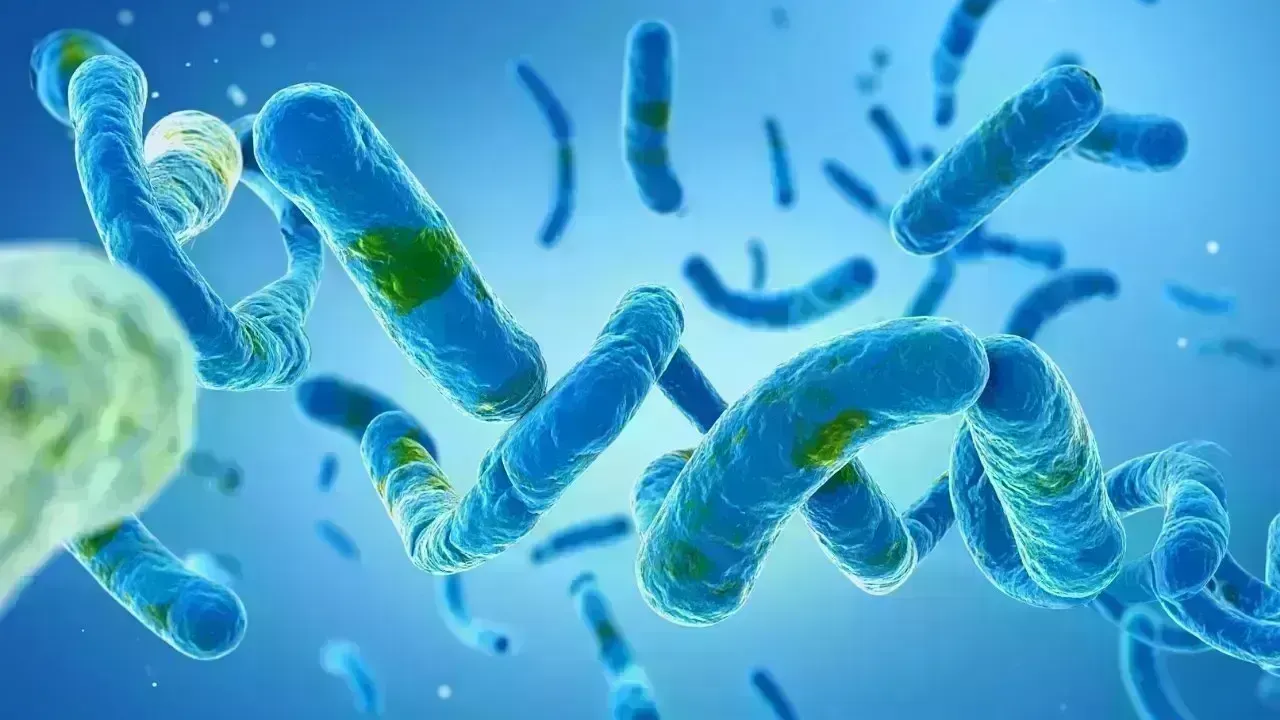
These diseases may arise from various sources, including viruses, bacteria, fungi, and parasites, often originating from animal populations before adapting to human hosts.
More than 60 percent of emerging infectious diseases are zoonotic, showcasing the direct connection between animals and human illnesses.
Agencies Leading the Surveillance Charge
International and national health organizations, including the World Health Organization and the CDC, spearhead efforts in global disease monitoring.
Their responsibilities include:
-
Real-time tracking of outbreaks
-
Analysis of genetic changes
-
Early warning systems
-
Coordinating global response plans
Modern disease surveillance increasingly relies on data analytics, genetic sequencing, and artificial intelligence.
Key Diseases Under Watch
Zoonotic Viruses Taking Center Stage
Increasing Spillover Incidents
Zoonotic viruses are a primary focus for health authorities, as human intrusion into wildlife habitats raises the likelihood of spillover events.
Viruses that previously circulated among animals now have more opportunities to infect humans, with sometimes severe consequences.
Health organizations are currently monitoring zoonotic pathogens characterized by:
-
Rapid mutation capabilities
-
Potential for respiratory transmission
-
Absence of effective vaccines or treatments
Avian Influenza: Ongoing Risks
Avian influenza strains remain a significant concern as they evolve and spread among avian and mammalian populations. While human transmission rates are currently low, agencies are closely monitoring for mutations that may facilitate sustained human-to-human spread.
Even limited outbreaks necessitate caution because of:
-
High mortality rates in affected humans
-
Significant threats to food supplies
-
Potential for pandemic scenarios
Antibiotic Resistance: A Quiet Menace
While viral events dominate media coverage, antibiotic resistance stands as one of the most perilous emerging health concerns.
Drug-resistant infections claim millions of lives yearly. Agencies are actively tracking:
-
Superbugs resistant to critical antibiotics
-
Infections acquired within hospital settings
-
Community transmission of resistant strains
Unlike viral outbreaks, resistant bacteria don't require explosive spread to wreak havoc; their threat lies in turning routine infections into major health crises.
Mosquito-Borne Diseases on the Rise
Expanding Reach Due to Climate Change
Increasing global temperatures are enabling diseases transmitted by mosquitoes to infiltrate new areas.
Agencies are particularly focused on the ratings of:
-
Dengue
-
Zika
-
Chikungunya
-
Yellow fever
Regions previously unaffected are reporting outbreaks, often with no immunity among populations.
Climate change has escalated mosquito-borne diseases to a global issue rather than a localized one.
Fungal Infections: A Growing Threat
Emerging fungal pathogens, particularly those resistant to antifungal treatments, are drawing more attention.
Many fungal infections currently affect:
Fungal diseases are often difficult to diagnose and treat, amplifying their threat level.
Preparing for Unknown Pathogens: “Disease X”
The term “Disease X” refers to a hypothetical unknown pathogen that could lead to a devastating global epidemic.
This term emphasizes that:
-
The next major outbreak may stem from an unidentified source
-
Preparedness efforts must be adaptable
-
Surveillance must detect both known and unknown threats
Disease X initiatives focus on readiness instead of predicting potential threats.
Understanding the Increase in Outbreak Frequency
Several global dynamics are converging:
Facilitated by Global Travel and Trade
Individuals can transport a virus across continents before showing any symptoms. The movement of goods and animals also plays a role in disease dissemination.
Crowding in Urban Environments
Populous cities foster ideal conditions for swift pathogen transmission.
Environmental Changes
Deforestation, mining, and agricultural activities push humans closer to wildlife sources.
The Evolution of Surveillance Techniques
Contemporary disease surveillance has transformed significantly over the past few decades.
Health agencies are now employing:
-
Genomic sequencing for tracking mutations
-
AI for detecting outbreak patterns
-
Wastewater monitoring for early signs
-
Digital systems for issuing rapid alerts
These advanced tools allow detection weeks earlier than traditional approaches.
The Importance of Data Sharing and Global Cooperation
No single country can tackle emerging diseases independently, as pathogens transcend borders.
International collaboration facilitates:
-
Quick information dissemination
-
Harmonized travel advisories
-
Joint research and vaccine production
The absence of cooperation can lead to accelerated outbreaks.
Speeding Up Vaccine Development: A Dual-Edged Sword
Advancements in vaccine development have significantly cut down timelines; however, accessibility remains an issue.
Health organizations aim to:
-
Utilize platform-based vaccines adaptable to emerging pathogens
-
Ensure ample medical supplies are stockpiled
-
Grow global manufacturing capacity
Achieving equitable distribution remains a significant hurdle.
Public Trust: Essential for Effective Disease Management
Surveillance and preparation efforts cannot succeed without public support.
Misinformation and distrust towards health bodies can:
-
Compromise outbreak responses
-
Delay containment strategies
-
Lead to increased mortality rates
Health organizations increasingly focus on clear communication and community involvement.
The Economic Repercussions of Emerging Diseases
Even minor outbreaks can trigger significant economic impacts:
Preparedness is not merely a health concern but also an economic imperative.
How Governments Are Enhancing Preparedness
Nations are directing resources toward:
-
Developing early warning systems
-
Establishing comprehensive disease surveillance networks
-
Conducting emergency response drills
-
Expanding public health workforce
Preparedness is migrating from reactive crisis management to proactive ongoing readiness.
The Growing Importance of One Health Approach
Health agencies are increasingly adopting the “One Health” framework, which acknowledges that:
-
The welfare of humans
-
Animal well-being
-
Environmental health
are intricately linked.
Preventative measures often necessitate the protection of ecosystems and vigilant monitoring of animal populations.
Implications for Daily Life
While most emerging diseases may never escalate to a pandemic level, monitoring them enables:
The most effective preparedness occurs when it goes unnoticed.
Are We More Prepared Than Before?
In some ways, yes—and in others, no.
Technological advances and collaborative efforts have made significant strides. However, persistent global inequality, political tensions, and environmental changes continue to present challenges.
Readiness is an ever-evolving challenge.
The Importance of Ongoing Vigilance
Emerging infectious diseases are not outliers; they are a reality of contemporary society.
Ignoring them won't make them vanish. Early monitoring frequently prevents larger calamities.
Conclusion: A Continual Watch on Potential Crises
Emerging infectious diseases pose one of the most significant threats to global stability. While many will not attract media attention, those that do can dramatically alter societies, economies, and historical narratives.
Health organizations worldwide are in a relentless race against time—detecting threats early, analyzing their trends, and thwarting them before they can spread.
The future of global health will depend not on reactive panic during crises but on proactive readiness in quieter moments.
At this moment, the world watches—carefully.
Disclaimer:
This content is for informational purposes only and should not be construed as medical advice. Disease risks and monitoring focuses may adjust as newer information arises.


 English