Post by : Anis
Al-Rashid
The Intertwined Demand for Precious Metals
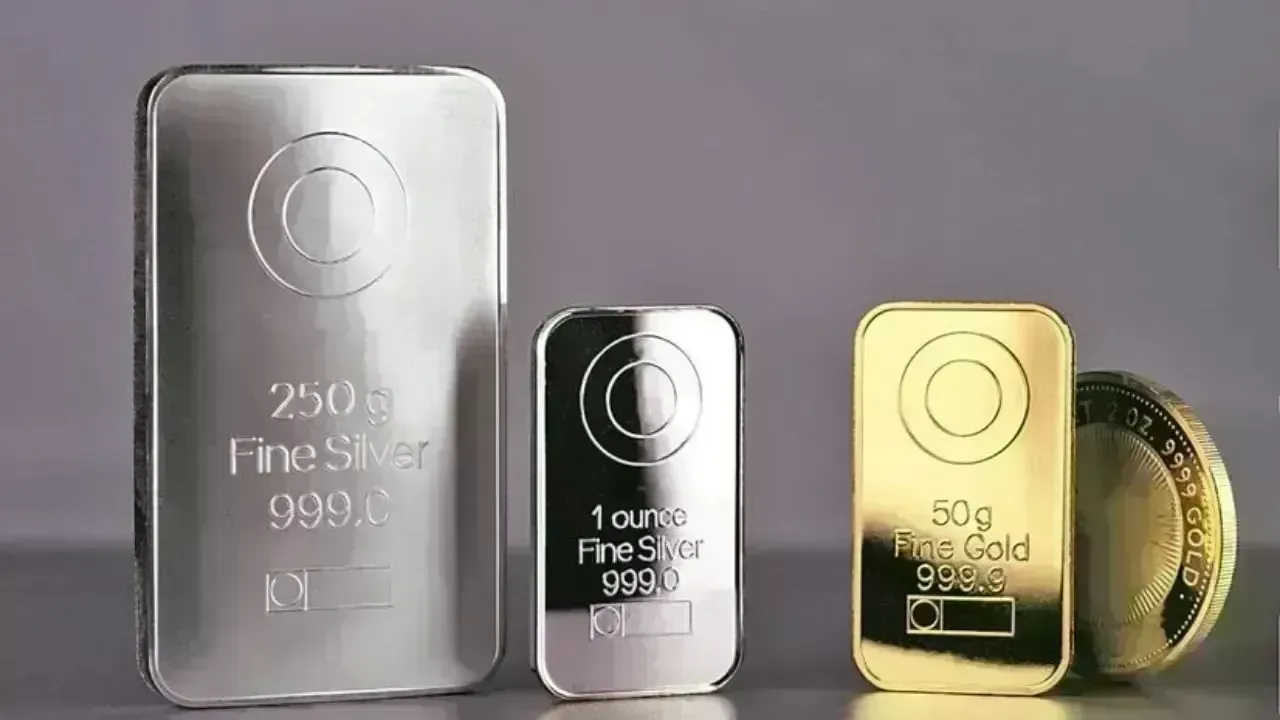
Gold and silver, while distinct in their physical characteristics, often experience parallel demand as investors turn towards stable assets in uncertain markets. As 2026 unfolds, interest in these two metals is resurging, with market conversations highlighting their intertwined historical significance. Investors are increasingly seeking refuge in gold, while simultaneously adding silver to their portfolios—actions driven by shared economic and psychological tendencies that bind these assets more closely than many investors might think.
The perception of gold as the prime store of value has remained steadfast, with silver complementing its function albeit with greater volatility. When planning financial stability, households and jewelers often favor both metals, treating them as essential components of wealth. Understanding this dynamic is key for investors gearing up for the challenges of the New Year.
Historical Context of Joint Demand
Longstanding Monetary Bond
Historically, both gold and silver have not only served as assets but also as currency. Civilizations have minted coins from them, leading to deeply ingrained trading habits. Even with the transition to fiat currencies, the legacy endures in the psyche of investors. As 2026 approaches, the cultural inclination towards bullion reflects this longstanding heritage, supported by economic principles around inflation and currency devaluation.
Cultural Significance
In many cultures, particularly in Asia and the Gulf, ceremonies such as weddings traditionally involve both gold and silver. This ritualistic practice continues to influence modern buying behavior, as these materials are seen as vital to familial celebrations and societal status. These ingrained customs contribute to the mirrored demand seen in recent years.
Economic Dynamics Unveiling Commonalities
Inflationary Pressures
One of the pivotal catalysts for unified demand is inflation. As living costs escalate, the real value of paper currency diminishes, prompting investors to rely on gold for protection and silver as an auxiliary safeguard. The rising interest rates in 2026 are prompting buyers to distribute their assets across both metals, creating parallel trajectories in pricing.
Impacts of Interest Rates
Interest rates heavily influence investment paradigms; a decline in yields makes non-interest-bearing assets like gold more attractive, and silver follows suit. The discussions surrounding monetary policies this year signal to investors that now is the optimal time to engage in both markets.
Industrial Demand Effects
Industrial applications amplify silver’s demand due to its critical use in technology and green energy; when manufacturing grows, so does silver's market value. Gold consequently benefits from this increased attention, illustrating their interdependent relationship.
Psychology Behind Market Trends
Safe Haven Buying
The instinctive response to seek safety leads many to initially purchase gold; however, upon entering the market, buyers often opt for silver as a more budget-friendly alternative. This behavior is flooding forums with recommendations, creating a cascade effect that elevates both metals’ appeal.
Media Influence on Buying Decisions
In financial reporting, gold and silver are frequently linked, encouraging simultaneous investments. This narrative resonates with consumers preparing for seasonal festivities, further bolstering interest in both metals.
Strategic Investment Approaches
Metal Diversification
Investment experts in 2026 advocate incorporating both gold and silver into portfolios to mitigate geopolitical risks while capitalizing on growth from industrial sectors. This strategy underscores the synergy rather than rivalry between the two assets.
Hedging Strategies
Utilizing gold-silver ratios for hedging is rising in prominence, especially as fluctuations prompt trading shifts between the two metals. Such adjustments typically coincide within the same economic cycles, leading to correlated demand increases.
Retail Developments
The evolving retail landscape makes it easier for consumers to purchase combined packages of gold and silver, enhancing accessibility and encouraging households to buy both simultaneously.
Regional Impacts in 2026
Middle Eastern Market Trends
Countries in the Gulf continue to exhibit substantial demand for gold and silver. As the UAE's economy thrives through tourism and infrastructure projects, metal accumulation is seen as a celebratory measure, influencing global demand patterns.
Wealth Management in Migration
Displaced communities increasingly opt for tangible assets such as coins, facilitating easier transactions amid their relocations, leading to a shared uplift in both gold and silver markets.
Supply Chain Factors
Mining Operations and Costs
Both metals are subject to similar mining costs and logistical challenges. Disruptions in trade and resource allocations affect the pricing dynamics of both, reinforcing their interconnected demand.
Refinery Limitations
Similar constraints in refinery capacities shape the markets for gold and silver, with production bottlenecks contributing to price increases.
The New Consumer Landscape
Online Influence on Purchases
As consumers begin their shopping journeys online, they often research before proceeding with purchases. This trend mirrors other retail shifts, highlighting a more informed buying approach, particularly for precious metals.
Jewelry Trends
Retailers are gearing up for celebrations with offerings that include both gold and silver, affecting overall returns.
Price Dynamics of Precious Metals
Volatility Comparisons
Silver often demonstrates greater price fluctuations compared to gold. As such, significant jumps in silver prices create a fear of missing out that triggers additional gold purchases, illustrating their interdependent behavior.
Long-Term Value Considerations
While gold remains a steadfast store of long-term value, many investors are beginning to spread their holdings across both metals.
Key Drivers for Growing Demand
Cultural legacy
Inflation hedging
Currency fluctuations
Favorable interest rates
Hedging tactics
Cultural practices regarding jewelry
Increased industrial application
Cost pressures in mining
Media coverage
Accessibility for consumers
Security concerns in migrations
Limits in refinery capabilities
Diversification strategies
Bandwagon effects in investing
Seasonal buying habits
Retail innovations
Education opportunities for investors
Technological advancements
Trade dynamics
Global economic confidence
Challenges Facing the Twin Demand
Evaluating Retail Advice
Retail guidance should complement professional investment advice. Just as potent skincare ingredients should be used judiciously, immature silver investments can introduce risks.
Affordability Issues
While gold and silver can be pricey, households will have to strategize their engagement cautiously.
Investment Opportunities for 2026
Ownership and Earning Potential
Digital wallets and enhanced security measures will pave the way for innovative buying options. Entrepreneurs have opportunities to create retail avenues that promote peer-to-peer trading.
Educational Initiatives for Younger Generations
Engagement strategies targeting Gen Z can foster interest in precious metals.
Cultural Shifts Influencing Purchasing Behaviors
Redefining Aspirations
The fusion of technology and style is leading consumers to value tangible products over curated aesthetics.
Incorporating Metals into Daily Life
Gold, silver, and consumer goods are becoming integral to wellness routines and everyday practices.
Future Outlook for Gold and Silver
Increase in Industrial Applications
Developments in quantum technologies promise to elevate silver's industrial demand, while gold may benefit from increased market visibility. Innovations in packaging and sustainable practices may further integrate these metals into consumer behavior, hinting at sustained demand through 2026 and beyond.
Strategic Defense in Global Economics
Geopolitical factors may stimulate central banks to stockpile gold, while individual investors are likely to prefer silver.
Conclusion: Navigating Twin Precious Metal Demand in 2026
Despite their differences, gold and silver often experience parallel demand due to common economic undercurrents and shared historical legacies. While inflation and market volatility drive buyers towards gold, industrial demand for silver persists, creating conducive environments for investment in both assets. The rising trends in retail accessibility and psychological motivations are likely to enhance this dual momentum. Understanding these interrelations enables investors to better structure their portfolios and fully embrace the upcoming year’s potential.
Disclaimer:
The views expressed in this article are intended for informational purposes only and should not be interpreted as financial advice. Precious metal investments carry risks influenced by market fluctuations and local economic scenarios.


 English