Post by : Raina
Al-Fahim
Tensions between the United States and Iran are escalating as military clashes persist across the Gulf region, demonstrating no signs of a peaceful resolution. Despite a global push for dialogue, both countries seem distant from achieving a diplomatic agreement to de-escalate the emerging conflict.
The recent hostilities have amplified concerns regarding the onset of a larger regional conflict that may disrupt global oil supplies, trade, and overall Middle Eastern stability. Neighboring Gulf nations are now on high alert as the situation intensifies with each passing day.
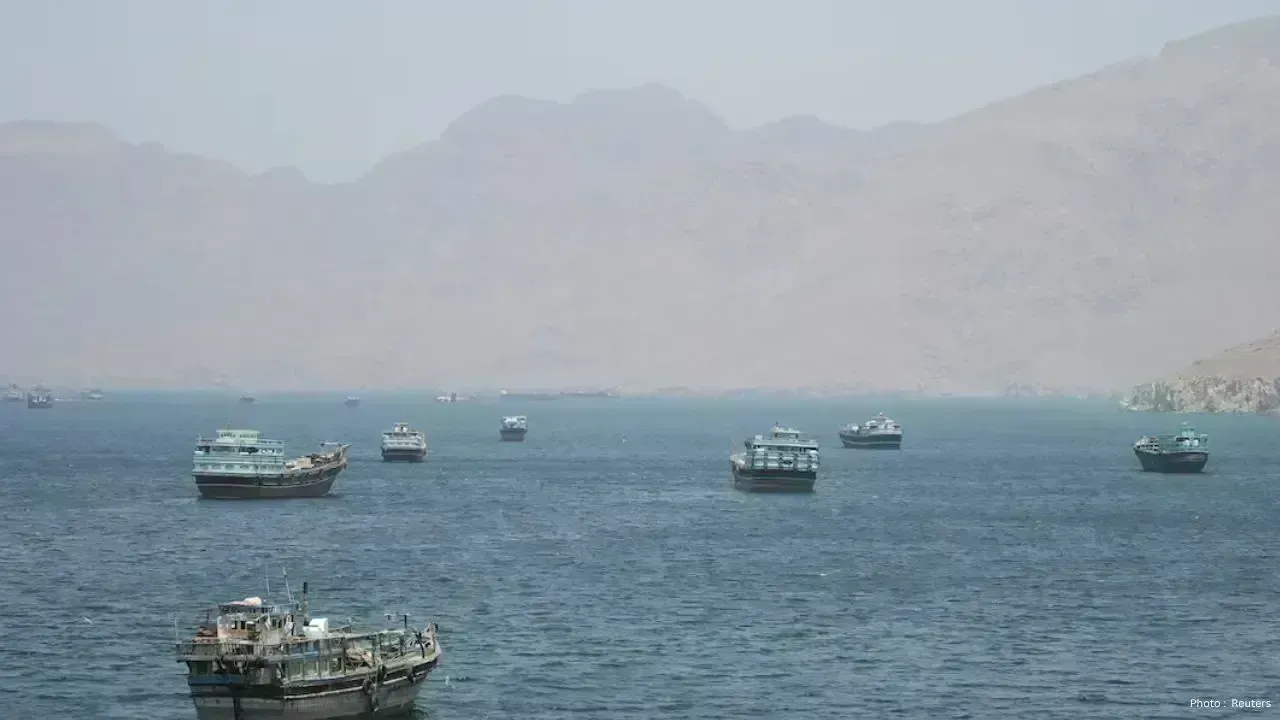
Recent incidents include missile attacks, drone strikes, and naval skirmishes across various portions of the Gulf. Armed forces from both parties continue to exchange aggressive threats while diplomatic efforts appear weak and ineffective.
As a result of this ongoing conflict, global financial markets are fraught with anxiety. Oil prices have surged amid fears that prolonged clashes could hinder shipping routes and disrupt energy exports from this crucial oil-producing area.
In response, the United States has bolstered its military presence in the region, dispatching additional naval forces and defense systems to safeguard its interests and those of its allies. U.S. officials assert that these deployments are critical in preventing further hostilities and ensuring regional security.
On the Iranian front, leadership has emphasized its intent to defend against what they characterize as foreign encroachment and pressure. Iranian officials accuse the U.S. and its allies of exacerbating tensions rather than fostering a peaceful dialogue.
This conflict also poses challenges for surrounding nations, many of which are apprehensive about being ensnared in a larger war. Governments across the region are advocating for restraint while simultaneously ramping up security around vital infrastructure and energy assets.
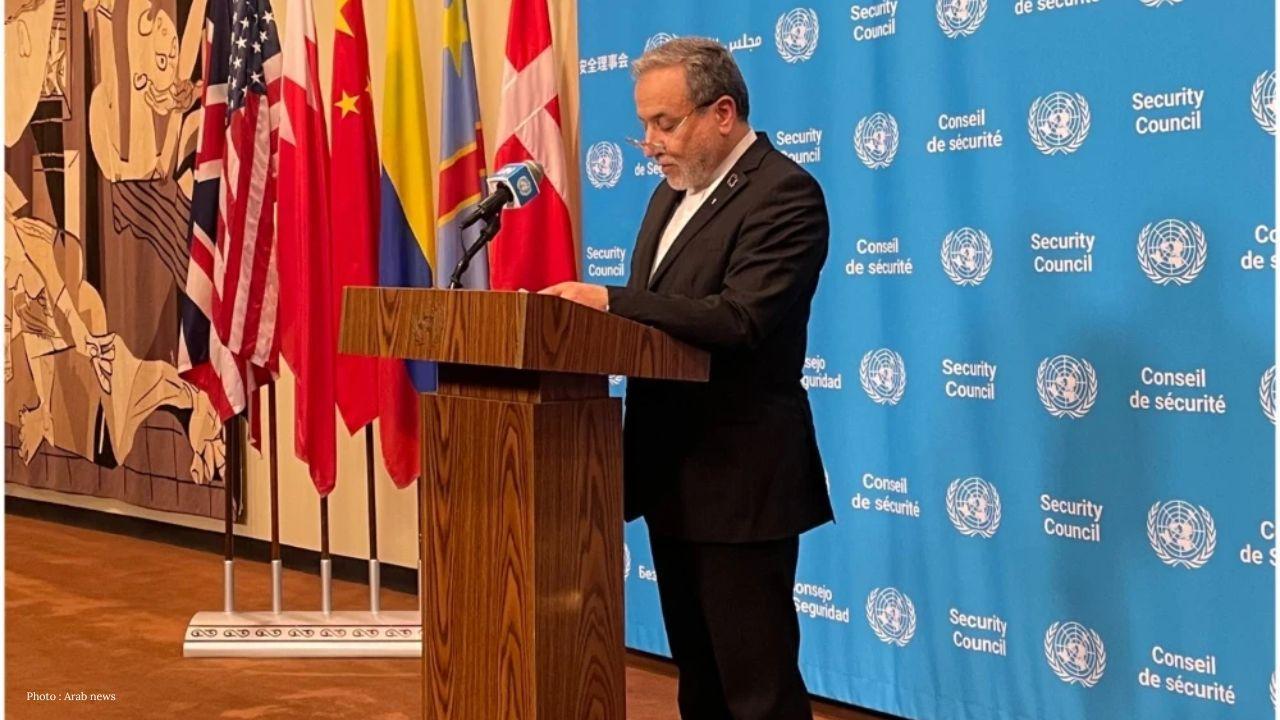
International bodies and world leaders have consistently urged for immediate de-escalation, yet diplomatic discussions have made little headway as Washington and Tehran remain at odds over key issues involving security, sanctions, and military practices.
China and Russia have also weighed in on the rising instability, stressing the need for communication and warning that a broader conflict could jeopardize the global economy and international peace.
Experts warn that the greatest risk lies in the likelihood of accidental escalation. With military forces increasingly in close proximity within the Gulf, even minor incidents could escalate into significant confrontations.
This situation is particularly alarming given the Gulf's pivotal role in global energy supplies. Any disruptions to oil transport routes could drive up fuel prices worldwide, adversely affecting economies already grappling with inflation and sluggish growth.
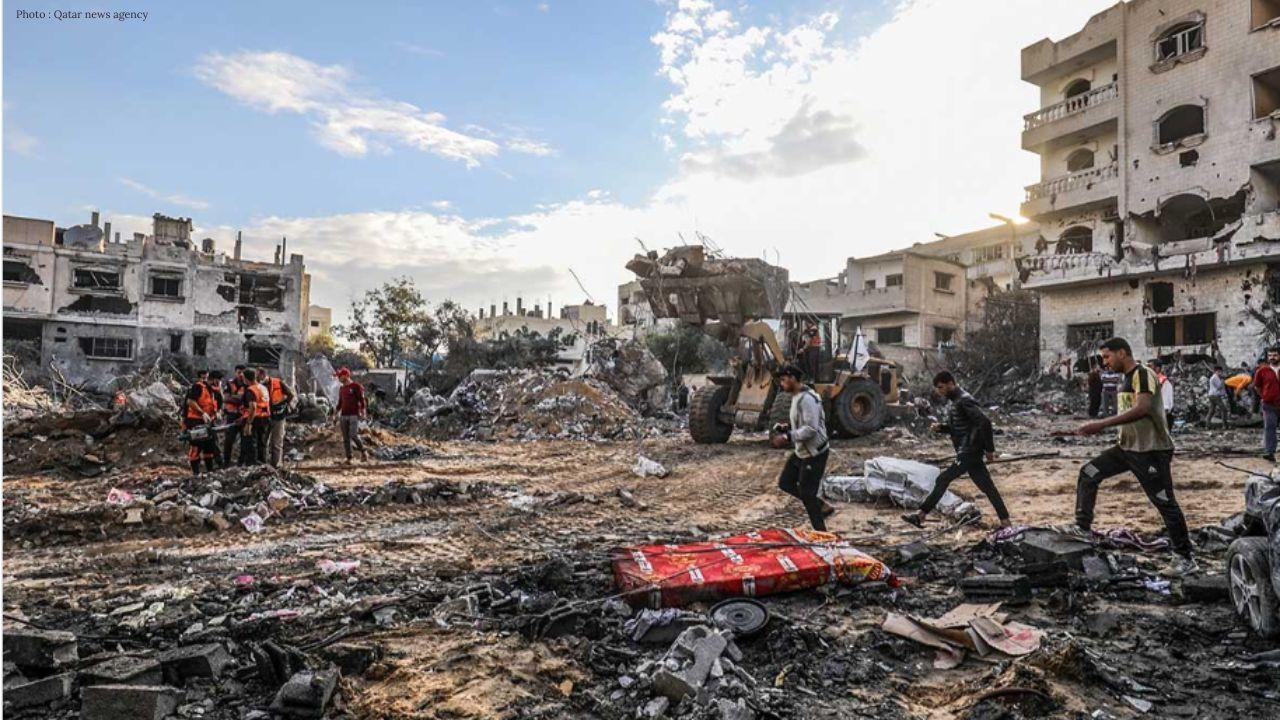
The conflict is also provoking humanitarian issues, with civilians near military operations facing mounting fears, uncertainty, and economic stress. Airlines and shipping companies have begun to modify their routes due to security threats.
Analysts contend that the absence of direct dialogue between the U.S. and Iran exacerbates the perilous situation. The lack of diplomatic engagement heightens the risk of misunderstandings and military miscalculations.
Furthermore, political pressures in both countries are constraining the potential for compromise. Leaders in both nations are under significant domestic pressure to maintain a steadfast stance, minimizing the likelihood of conflict resolution during this crisis.
At this juncture, a clear path to peace remains elusive. The ongoing clashes in the Gulf indicate that tensions are at dangerously high levels, while diplomatic initiatives have failed to yield substantial progress.
The upcoming weeks could be pivotal for the region's future. Should violence continue to escalate, the ramifications could extend beyond the Middle East, impacting global trade, energy markets, and overall international stability.


 English