Post by : Saif
Al-Najjar
The conflict with Iran is escalating challenges in Iraq, where Iran-backed militias are increasing their influence. As these groups gain traction, concerns mount regarding regional stability and safety.
It has been noted that Iran is providing its commanders in Iraq with greater operational latitude, enabling militia groups to function more autonomously. Analysts suggest this shift is driven by the demands of the broader conflict, necessitating rapid ground responses.
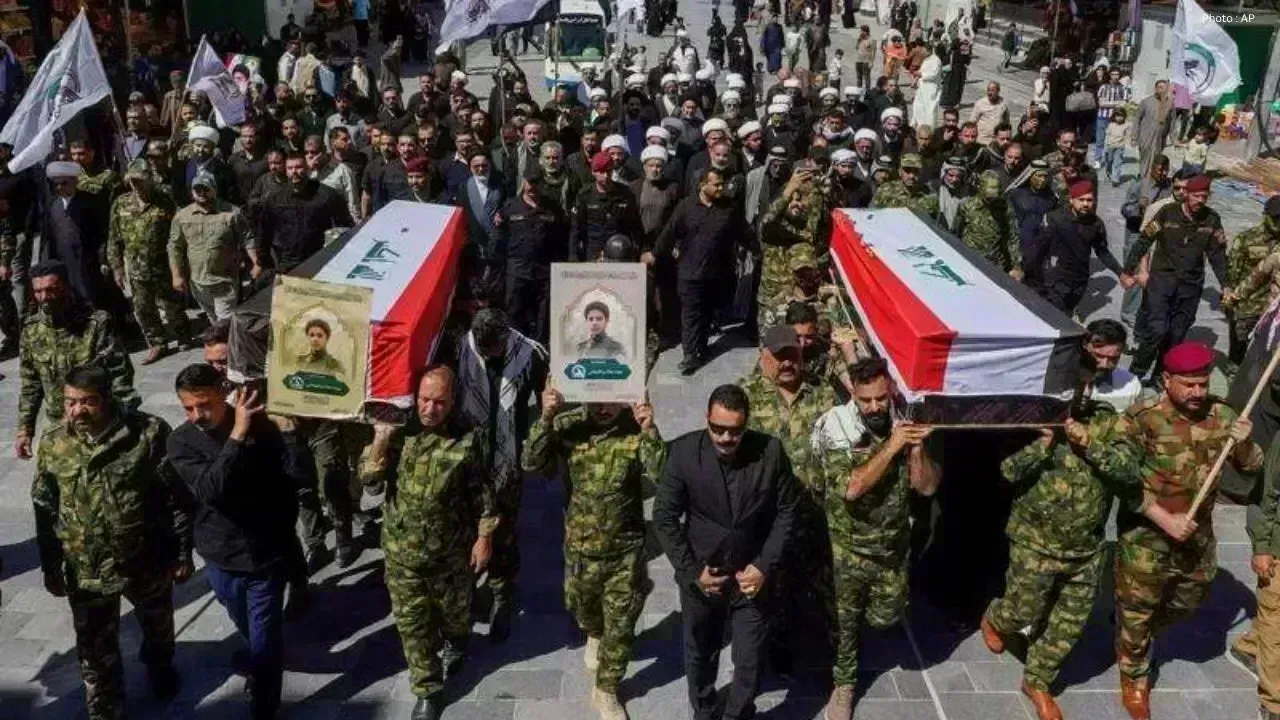
Many of these militias are affiliated with the Popular Mobilization Forces, established to combat extremist threats in previous years. Over time, certain factions have forged close connections with Iran and engaged in regional conflicts.
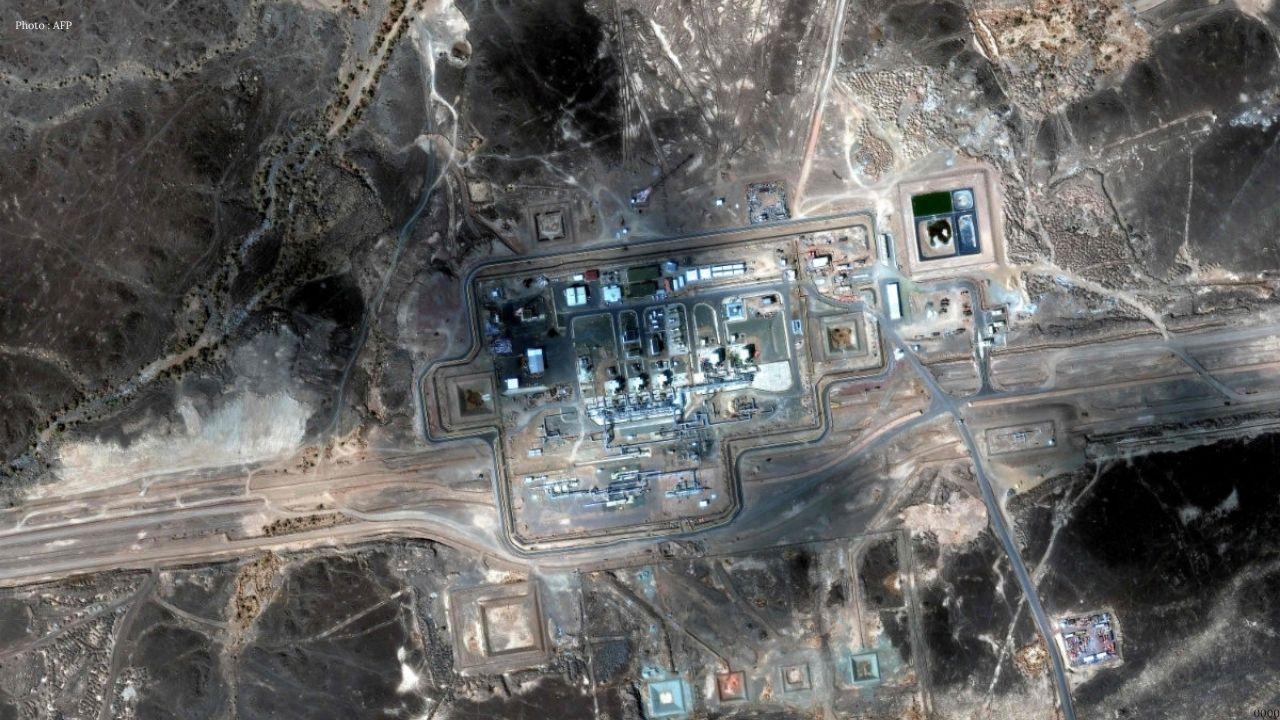
The current climate has seen a surge in attacks by these factions, targeting foreign military installations and strategic sites. This has turned Iraq into a focal point for profound geopolitical tensions and confrontations.
The Iraqi government is confronted with a significant dilemma, tasked with balancing diverse influences while maintaining internal order. The political sway of some militias complicates efforts for authorities to impose stricter measures against them.
The increasing power of these militias raises urgent questions about national sovereignty. Foreign-backed factions can undermine a nation's autonomy, leading analysts to caution that Iraq may evolve into a battleground for proxy rivalries among major powers.
This scenario carries implications beyond mere politics and security. Local populations experience the repercussions of heightened tensions. Routine life is disrupted by ongoing attacks, straining businesses and hindering development, leaving communities plagued by anxiety.
In response, the United States has intensified pressure on these militias through military actions and sanctions, urging Iraq to assert stricter control over armed entities within its territory. However, such measures risk further escalation.
The situation is under keen scrutiny from regional countries, as any uptick in violence in Iraq could destabilize a broader landscape. Concerns persist that ongoing tensions might spiral into a more extensive multi-national conflict.
The rise of militias in Iraq underscores the intricate nature of contemporary conflicts, where local dynamics intertwine with international issues. The interplay of security, political power, and regional influence continues to shape the situation, complicating efforts for resolution.


 English