Post by : Shweta
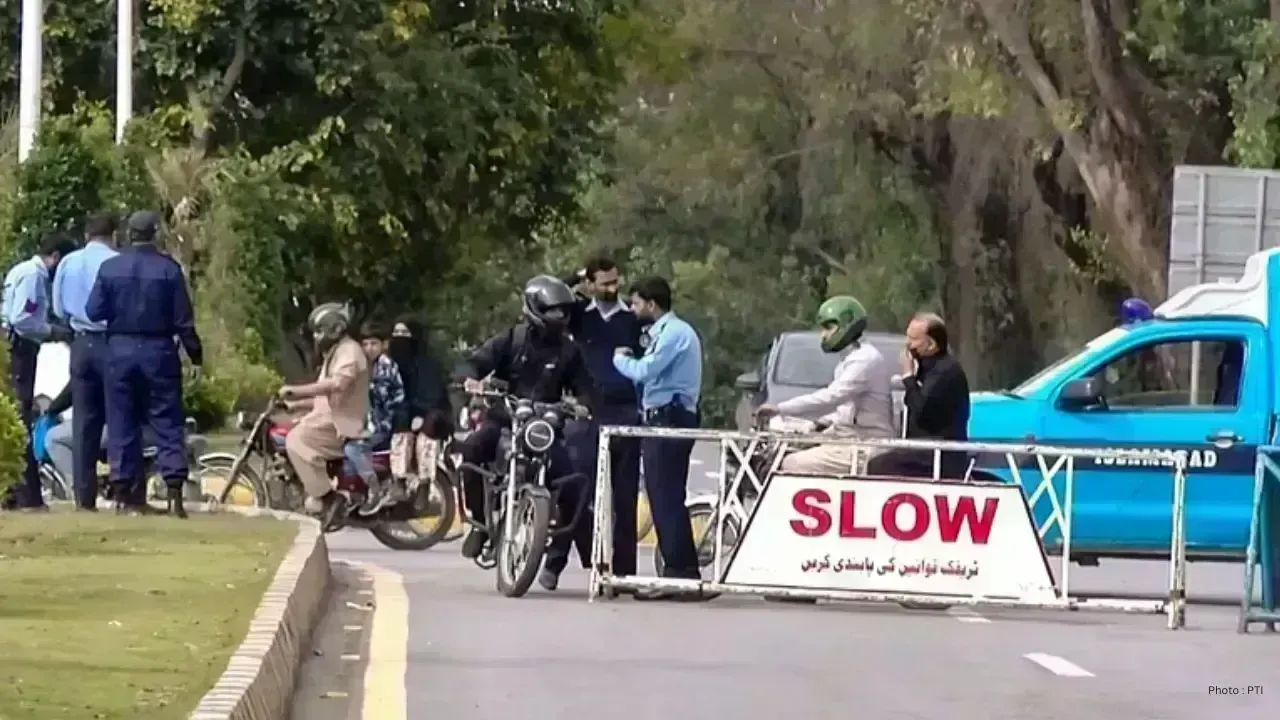
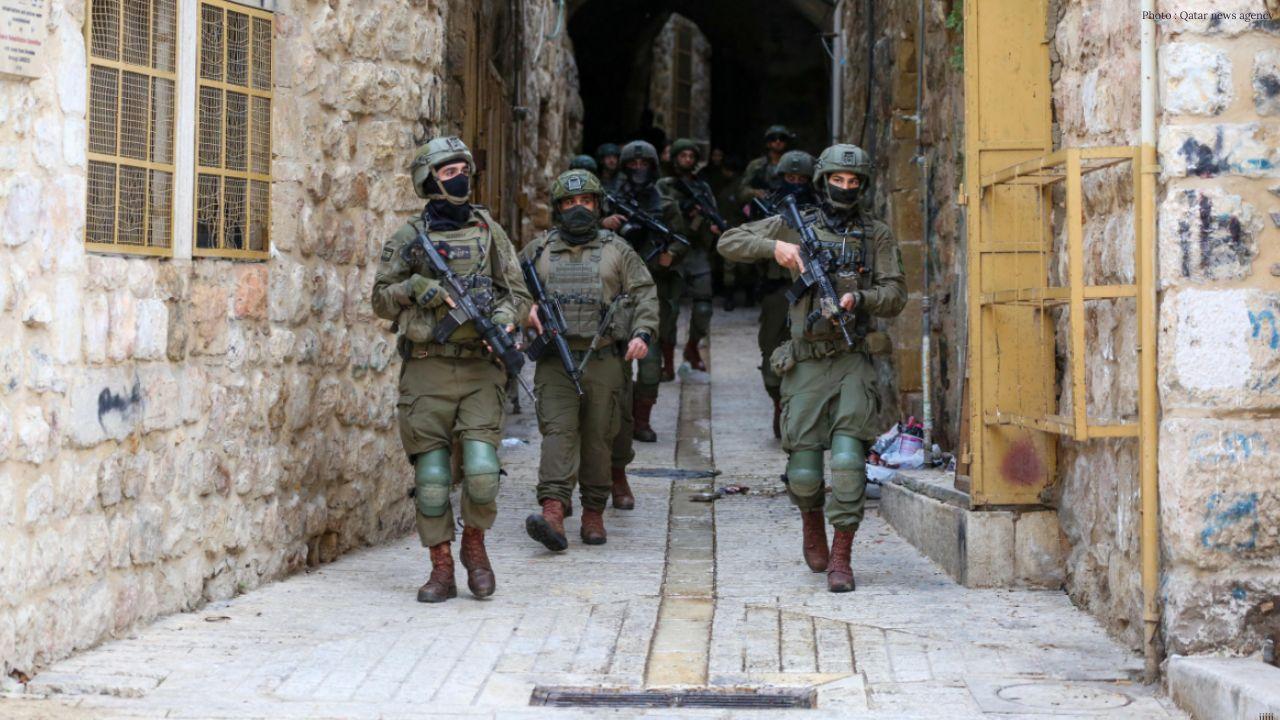
Due to ongoing uncertainty regarding peace negotiations between the United States and Iran, Islamabad is currently experiencing a stringent security lockdown. Authorities have enforced strict measures throughout the city, especially in areas deemed high-risk, as diplomatic discussions are believed to be occurring behind closed doors.
Access to key roadways entering the capital has been restricted, and the Red Zone—home to significant government offices and foreign embassies—remains heavily monitored. The adjacent Blue Area, a vital commercial sector, has seen market closures, supply shortages, and halted public transport services. These actions have caused major inconvenience for residents, making mobility a challenge for many.
The increased security protocol coincides with the arrival of Abbas Araghchi in Islamabad for high-level talks with Pakistani officials. He was welcomed by prominent figures such as Asim Munir, Ishaq Dar, and Minister of Interior Mohsin Naqvi. His presence is interpreted as a step toward rekindling talks between Washington and Tehran.
Despite this significant visit, direct negotiations between the US and Iran remain unconfirmed. Iran’s Foreign Ministry spokesperson, Esmaeil Baqaei, has indicated that no formal meetings with US delegates are currently scheduled and that Iran's viewpoint would be relayed through Pakistan.
Conversely, the White House has suggested that US officials, including special envoy Steve Witkoff and advisor Jared Kushner, may be heading to Pakistan for potential discussions, although their travel has not yet been verified, adding to the overall uncertainty.
Pakistan continues to engage actively in mediating between both nations. Officials express optimism that ongoing communication could pave the way for significant advancements towards regional peace. Reports indicate that a US logistics and security team is already in Islamabad, preparing for possible meetings.
These developments follow a previous set of discussions held on April 11-12, which did not produce any notable outcomes. The overall tension originated on February 28 following military actions involving the US and Israel, subsequently leading to heightened regional instability. A temporary ceasefire was later implemented and has been extended to facilitate more diplomatic endeavors.
In summary, while Islamabad serves as a focal point for these critical negotiations, the potential outcomes remain ambiguous, highlighting both the intricacies of the conflict and the hurdles in achieving a sustainable diplomatic resolution.


 English