Post by : Saif
Al-Najjar
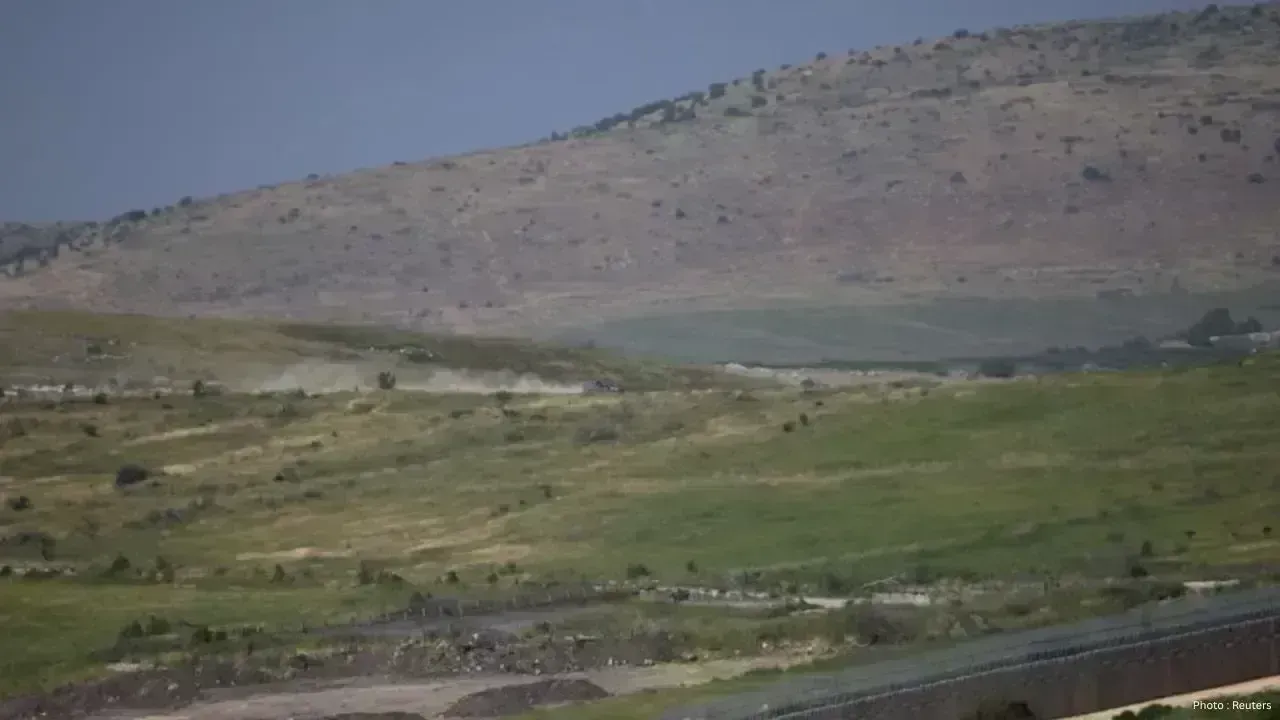
Israel and Lebanon have formally agreed to a ceasefire extension of 45 days, which brings a glimmer of hope amidst months of turmoil along their border. This decision follows two days of talks supported by the United States, held in Washington.
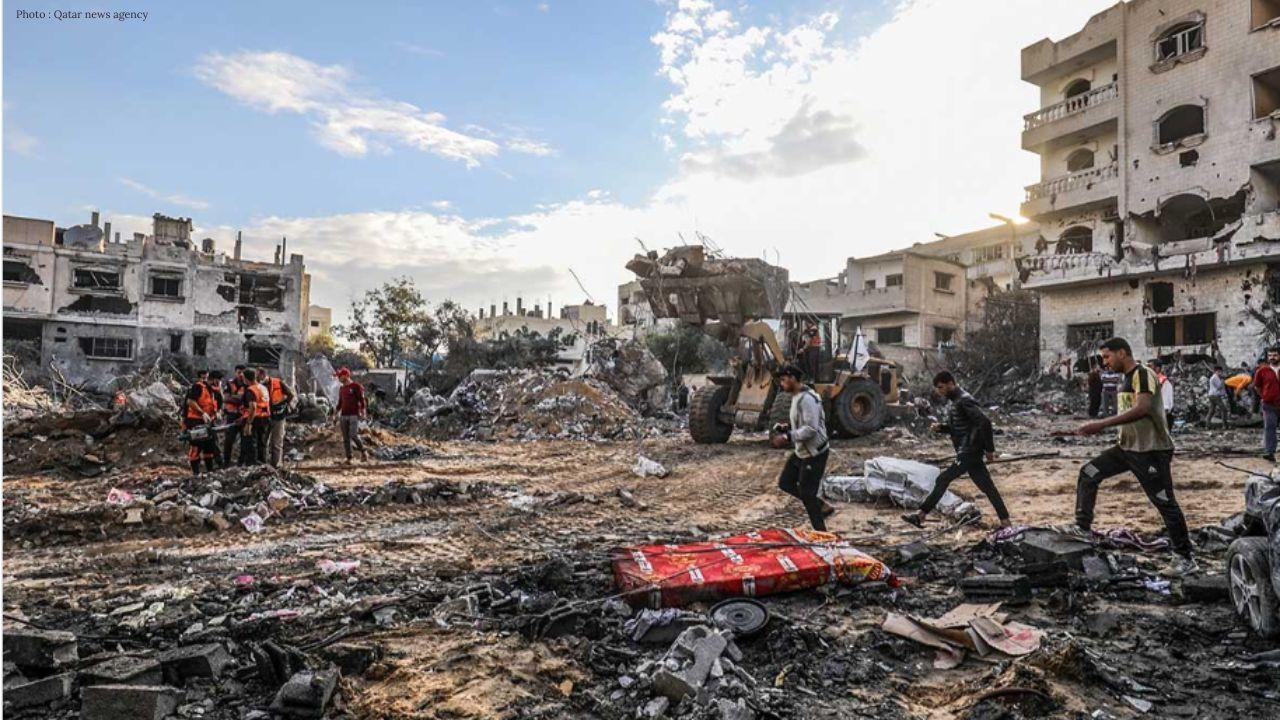
The initial ceasefire was declared in April after a series of deadly clashes between Israeli forces and Hezbollah fighters in southern Lebanon. These confrontations led to significant destruction, displacing many families and raising concerns about a broader regional conflict. Reports indicate that over a million individuals were uprooted during the recent violence, with substantial damage to border towns on both sides.
The goal of this latest extension is to facilitate further negotiations and minimize the risk of renewed military confrontations. Representatives from both nations are expected to continue their discussions in the upcoming weeks, with future talks likely addressing border security, military operations, and long-term regional stability.
Despite this ceasefire extension, conditions on the ground remain precarious. There have been reports of new strikes and security actions in various areas, underscoring the fragile trust between the two sides. Many residents near the border live in fear of a return to hostilities.
Hezbollah’s involvement continues to be a significant point of concern for Israel, which has persistently called for more vigorous actions against the Iran-backed group, viewing it as a crucial security threat. Meanwhile, Lebanese leaders are attempting to navigate internal political dynamics while avoiding another catastrophic conflict.
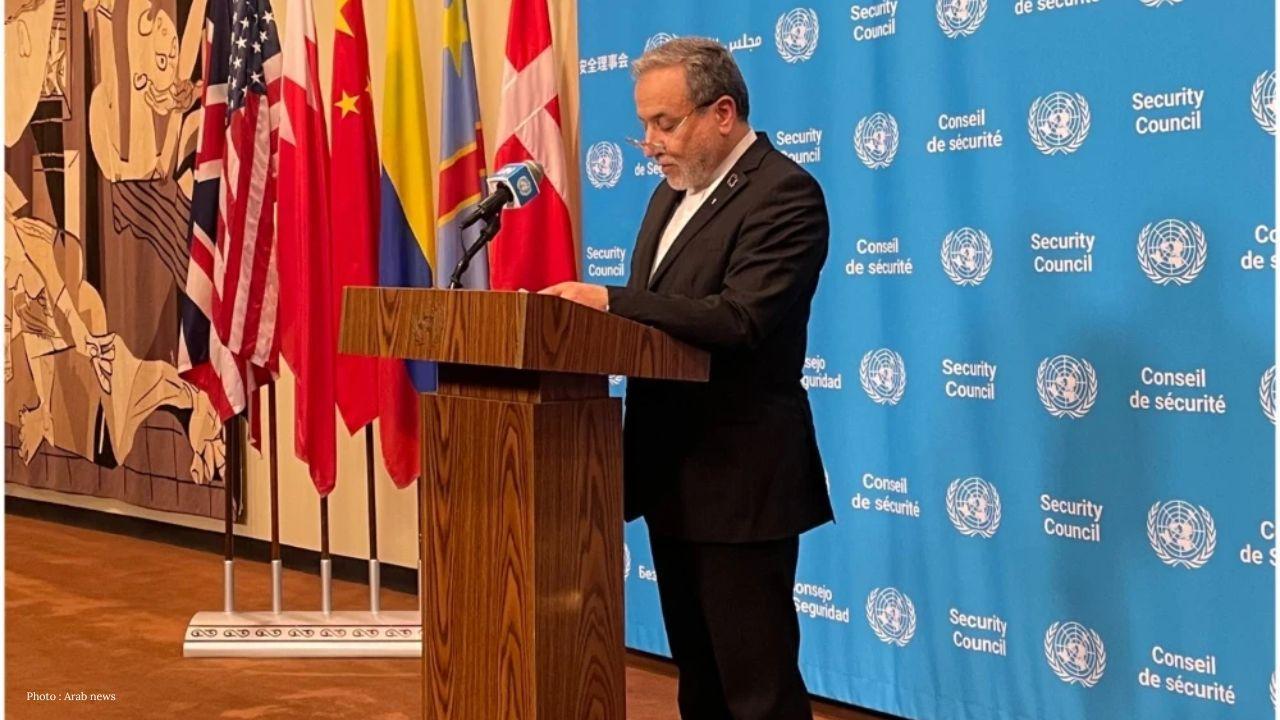
The United States has been instrumental in encouraging both parties to maintain open channels of communication. U.S. officials have characterized the recent discussions as fruitful, nurturing hopes that a wider peace agreement may emerge from these ongoing talks. The significance of these negotiations is underscored by the rarity of such direct interactions between Israel and Lebanon over the decades.
For the everyday people in this region, the ceasefire extension offers brief relief, though not a complete resolution to the conflict. Displaced families continue to face challenges in rebuilding their lives, as local businesses and communities grapple with economic distress.
While the extension of the ceasefire does not resolve the underlying political and security issues between Israel and Lebanon, it creates an avenue for continued dialogue rather than violence. In a region scarred by conflict, even a temporary respite can yield meaningful outcomes.


 English